Marine tank ecosystem control: Guide to balance
"Seaweed species such as kelps provide essential nursery habitat for fisheries and other marine species and thus protect food sources."
Effective marine tank ecosystem control requires understanding the biological foundations of aquatic life, such as the role of seaweed and the physical space occupied by diverse organisms.
This guide explores how to manage these complex environments by balancing biological needs with structural stability. Key takeaways include recognizing the importance of nursery habitats, understanding the scale of marine life, and maintaining biological integrity.
How can we manage a marine tank ecosystem control?

A hand reaches into a saltwater tank to adjust a piece of kelp-like greenery, ensuring it sits firmly against the substrate. Managing a saltwater tank involves mimicking natural environments where biological components interact to maintain stability.
The primary goal of marine tank ecosystem control is to foster a self-sustaining environment where various species can thrive. Providing a nursery habitat through seaweed species can protect food sources and support the growth of smaller organisms.
This biological foundation acts as the starting point for all life within the glass walls.
Maintaining this balance requires constant observation of how different species interact with the available space. As the ecosystem develops, the relationship between producers and consumers becomes the central focus of management.
I find that the second step in this process is the most time-consuming.
What role does each marine species play? A collector carefully places a small clam into a crevice of a rocky reef, checking the fit. An aquarium ecosystem balance is achieved when the needs of various organisms, from tiny algae to large invertebrates, are met through careful planning.
In a natural setting, different organisms occupy specific niches to ensure survival. For example, giant tube worms (Riftia pachyptila) can reach 1.5 m in length, while clams (Calyptogena magnifica) can grow up to 30 cm long.
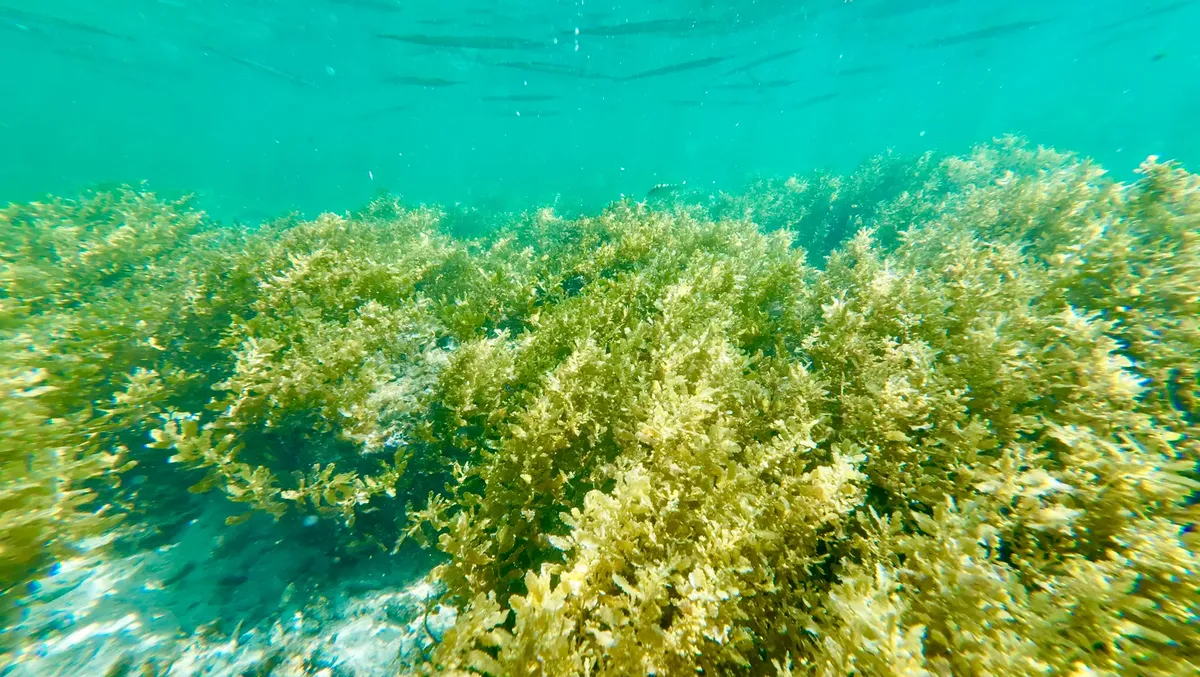
These size variations necessitate careful spatial planning to prevent overcrowding and ensure sufficient resource access for all inhabitants.
The presence of such diverse life forms means that the ecosystem must support both large-scale structures and microscopic life. Planktonic algae play a vital role in capturing carbon and producing at least 50% of Earth's oxygen.
Managing these microscopic elements is just as critical as managing the larger visible inhabitants.
How does habitat structure influence saltwater tank management?
A hobbyist examines the texture of a large kelp frond, ensuring it provides enough cover for hiding fish. Saltwater tank management relies heavily on the structural complexity provided by various marine flora and fauna.
Structural elements like seaweed provide essential nursery habitat for fisheries and other marine species. These habitats act as a buffer against environmental changes and provide refuge for juvenile life. Without these complex structures, the stability of the entire system is compromised.

The physical layout must account for the different sizes and behaviors of the species being housed. By replicating the complexity found in nature, the tank becomes more resilient to fluctuations. This structural integrity is the backbone of a healthy marine environment.
How do I effectively control my marine aquarium? A person carefully cleans the glass of a large tank, looking through the water at the established reef. Effective marine aquarium control involves a systematic approach to biological and chemical stability.
To establish a stable environment, follow these essential steps:
- Introduce foundational species that provide structure and nursery habitats, such as various seaweed types. 2. Monitor the growth rates and interactions of species to prevent competition from destabilizing the environment. 3. Perform regular checks on water chemistry and biological activity to ensure the oxygen-producing processes are functioning correctly.
I once spent an entire afternoon arranging kelp to ensure the smaller inhabitants had enough coverage. By following these steps, the transition from a new setup to a mature ecosystem becomes manageable.
- Monitor water chemistry parameters regularly.
- Maintain biological filtration stability.
- Perform routine physical cleaning.
What are the limitations of ecosystem management?
A technician looks at a sensor readout, noting a slight deviation in the water parameters. The complexity of marine life means certain variables are difficult to predict or control entirely.
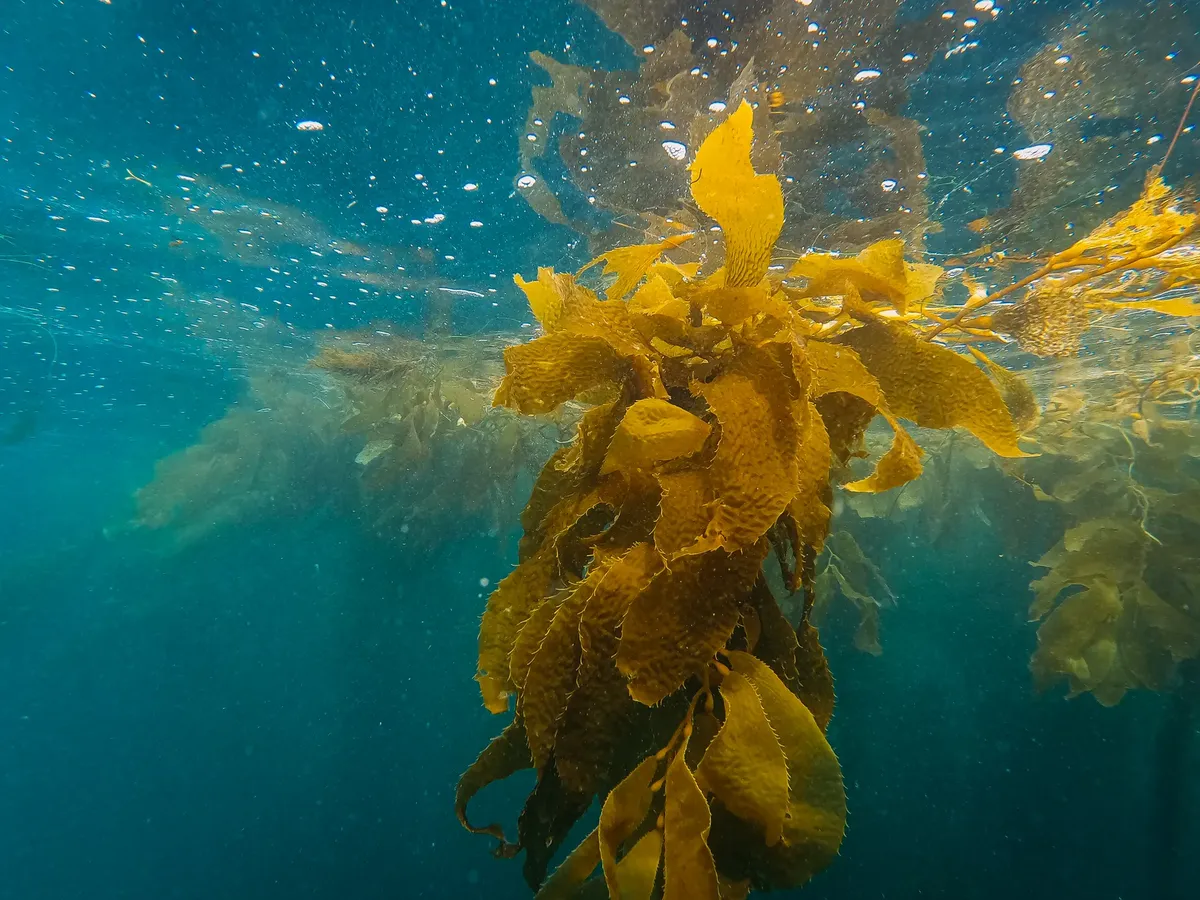
One limitation of managing these environments is the unpredictability of biological growth and competition. For instance, while we can plan for certain sizes, the varying growth rates of organisms like giant tube worms or clams can change the spatial dynamics of the tank unexpectedly.
The scale of life within the tank can also present challenges. A portion of an area might have different characteristics, much like how different species require different levels of light or flow. These variables must be managed within the constraints of the physical setup.
The same subject is also called Managing saltwater tanks.
This part also covers Real marine tank examples.
This part also covers How to balance reef tanks.
This part also covers {.
Real marine tank examples
Related


Comments 0