Stable aquarium setup guide: Tips for proper equipment use
Establishing a stable aquarium environment requires choosing the correct tank size, managing water weight, and maintaining consistent temperature and cleanliness. This guide is for hobbyists looking to transition from small bowls to larger setups, helping them avoid common pitfalls like improper species compatibility or equipment failure. You should focus on water volume stability and temperature control, but be aware that large glass setups are restricted by the physical weight of the water.
* Select a tank size based on your space and maintenance capacity. * Account for the significant weight of water during placement. * Maintain consistent tropical temperatures around 77 °F. * Perform regular water changes to ensure long-term health.
How to start a stable aquarium setup guide?
At dawn, I ran my fingers over the cold glass in the quiet living room to ensure the base felt stable.
I carefully unboxed a heavy glass tank, feeling the cool surface of the panes before checking the silicone seals. Setting up a stable aquarium setup guide begins with selecting a container that fits your lifestyle and physical space.
Most modern aquaria consist of glass panes bonded together by 100% silicone sealant, often featuring plastic frames on the upper and lower edges for decoration.
The size you choose dictates everything from biological stability to the strength of your furniture. Glass aquariums are the standard for sizes up to approximately 1,000 liters (260 US gallons).
Smaller options include nano reefs, which are specialized reefkeeping tanks with a water volume under 40 liters (11 US gallons). Choosing the right volume is the first step toward a successful aquatic habitat.
- Select a suitable tank size.
- Install the filtration system.
- Cycle the water to establish beneficial bacteria.
What are the best fish tank setup essentials?
In the dim light of the evening, I felt the warm steam rising from the tank as I checked for a stable temperature.
I watched the water ripple against the glass, ensuring the heater was positioned to maintain a steady environment. Finding the best fish tank setup essentials involves prioritizing temperature and filtration.
Most fish and plant species tolerate only a limited temperature range, making tropical aquaria very common.
These setups typically aim for an average temperature of about 25 °C (77 °F) to keep inhabitants healthy. Beyond temperature, you must consider the physical limitations of your chosen vessel. For instance, the weight of water—approximately 8.345 lb per U.S.
gallon—means that a large tank requires a very sturdy foundation. Ensuring your equipment supports these physical realities is vital for a healthy water environment.
I believe the second step is the most time-consuming.
How to manage aquarium equipment use?
During the evening, I leaned over the damp tank to adjust the heater for a stable temperature.
I adjusted the lighting over the substrate, checking that the filtration system was running quietly. Effective aquarium equipment use relies on understanding the specific needs of your tank size, whether it is a mini aquarium or a large display.
Mini aquariums are generally defined as being less than 150 liters (40 gallons), while nano aquariums are smaller, staying under 75 liters (20 gallons).
| Tank Type | Typical Volume (US Gallons) | Key Characteristic |
|---|---|---|
| Nano Reef | Under 11 gal | Small water volume for reefkeeping |
| Standard Glass | Up to 260 gal | Standard for most home hobbyists |
I have found that matching the equipment to the volume prevents unnecessary stress on the system. For example, larger tanks require thicker glass siding to handle internal water pressure.
Using the right gear for fish tanks ensures that the pressure and weight do not compromise the structural integrity of the glass.
What are the top fish care setup tips?
I carefully observed the colorful inhabitants, making sure no species were interacting aggressively. Following effective fish care setup tips means planning your community before adding any animals.
For example, adding neon tetras to a tank with a colony of 20+ shrimp led to the shrimp's disappearance within 3 weeks.
Properly planning your inhabitants prevents such losses. You must also consider the long-term maintenance required to keep the water clean. Typical weekly maintenance involves changing around 10–30% or more of the water while cleaning the gravel or other substrate.
While some hobbyists attempt to keep systems self-sufficient, regular intervention is the most reliable method for creating perfect fish habitat.
How to maintain a healthy water environment?
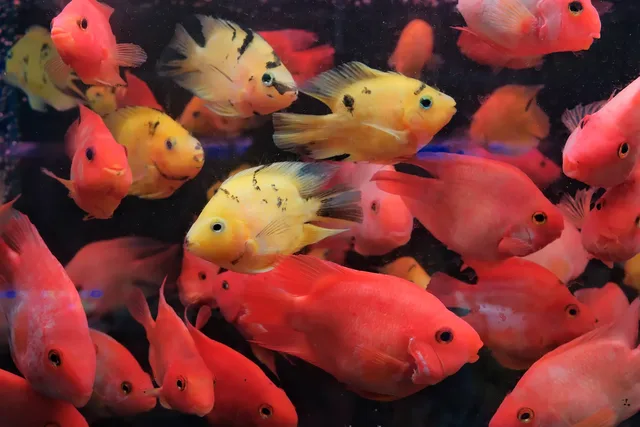
I skimmed the surface of the water, removing any debris to keep the oxygen levels high. Maintaining a healthy water environment requires a disciplined routine of cleaning and monitoring. To keep the ecosystem stable, follow these steps:
- Perform a partial water change of 10–30% every week. 2. Clean the gravel or any existing substrate to remove waste. 3. Verify that the temperature remains near 77 °F.
After completing these actions, perform a final check of the filtration flow and glass clarity. This routine prevents the buildup of toxins that can harm sensitive species. Consistency is the most important factor in preventing sudden environmental crashes.
Related
- Beginner saltwater tank setup: Guide to 1,000 litres tank
- Fish feeding guide: Best food selection tips 100 litres
What conditions affect the stability of an established aquarium environment?
- Inconsistent temperature swings place undue stress on the biological processes within the tank. 2. Improper species compatibility introduces risks that challenge the established environment. 3. Equipment failure can rapidly compromise the cleanliness and water quality.
The necessity of establishing a stable aquarium environment means monitoring these variables closely. Temperature fluctuations, even slight ones, can disrupt the delicate balance required for many aquatic life forms.
Furthermore, the physical limitations of the chosen vessel must always be considered when establishing the setup.
How does water weight influence tank selection?
The physical weight of the water dictates the structural requirements for your chosen container. Since water weighs significantly, a larger volume necessitates a more robust placement area.
This caution is paramount when establishing a stable aquarium environment, especially when considering large glass setups.
The weight of water is directly proportional to the volume contained within the glass. Therefore, before selecting a tank size, one must account for the substantial load that the water itself will exert on the supporting surfaces.
This consideration helps prevent structural issues when establishing a stable aquarium environment.
When performing regular water changes, the volume removed should reflect the established maintenance routine. This procedure helps prevent the accumulation of harmful substances, which is a key component of maintaining a stable aquarium environment.
The comparison between the water removed and the total volume should align with the established care tips.
For establishing a stable aquarium environment, the consistency of the routine is as important as the action itself. Adhering to the established schedule ensures that the ecosystem remains resilient against minor disturbances.
This consistency is a critical factor when comparing different maintenance approaches.
Unity Environmental University Based on the retained excerpt mentioning Animal Care and Service: According to the US Bureau of Labor Statistics (BLS) in 2018, the average salary for an aquarist was just under $24,000 a year , or $11.51 per hour, when with ‘Animal Care and Service Workers’.

Comments 0