Marine fish breeding impact: Algae produce 50% oxygen guide
"Seaweed species such as kelps provide essential nursery habitat for fisheries and other marine species and thus protect food sources; other species, such as planktonic algae, play a vital role in capturing carbon and producing at least 50% of Earth's oxygen."
Understanding marine fish breeding impact requires a deep look at how various aquatic species support food chains and atmospheric stability. This guide explores how nursery habitats and oxygen production sustain life, while also examining the potential for seaweed-based agricultural uses.
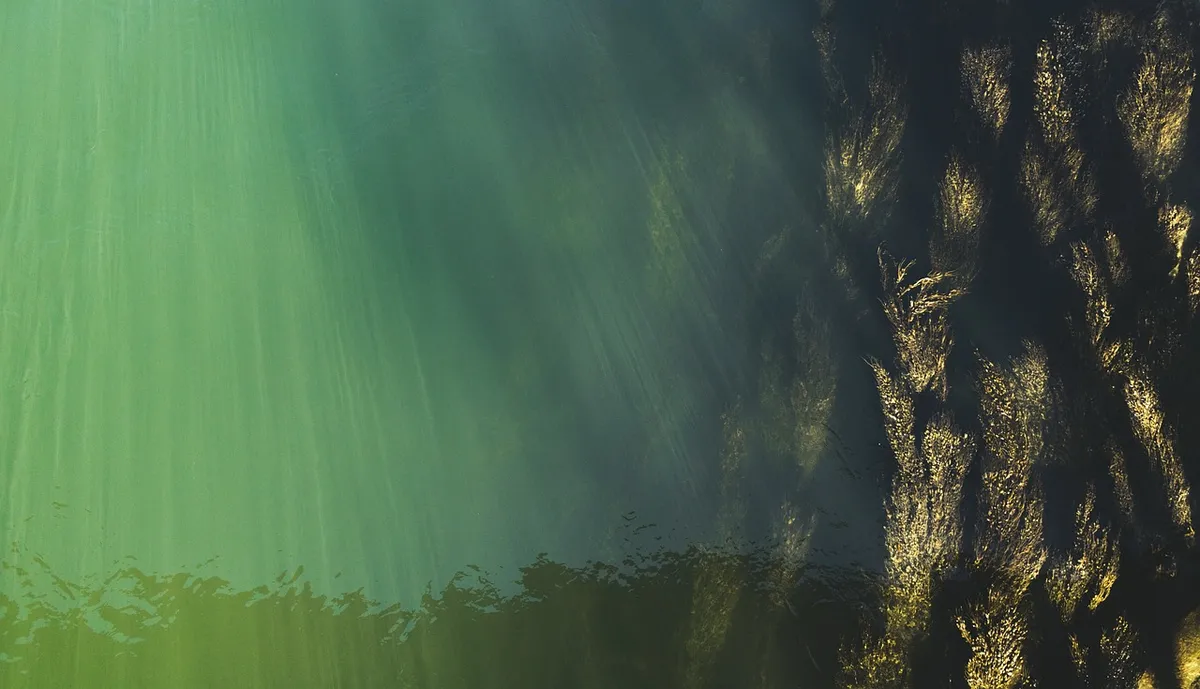
Key takeaways include the importance of kelp for fisheries, the role of algae in oxygen production, and the current economic scale of seaweed aquaculture.
How does marine fish breeding impact the food chain?
At dawn, a fisherman pulls his heavy net through the swells, feeling the weight of the harvest that stems from a healthy marine nursery.
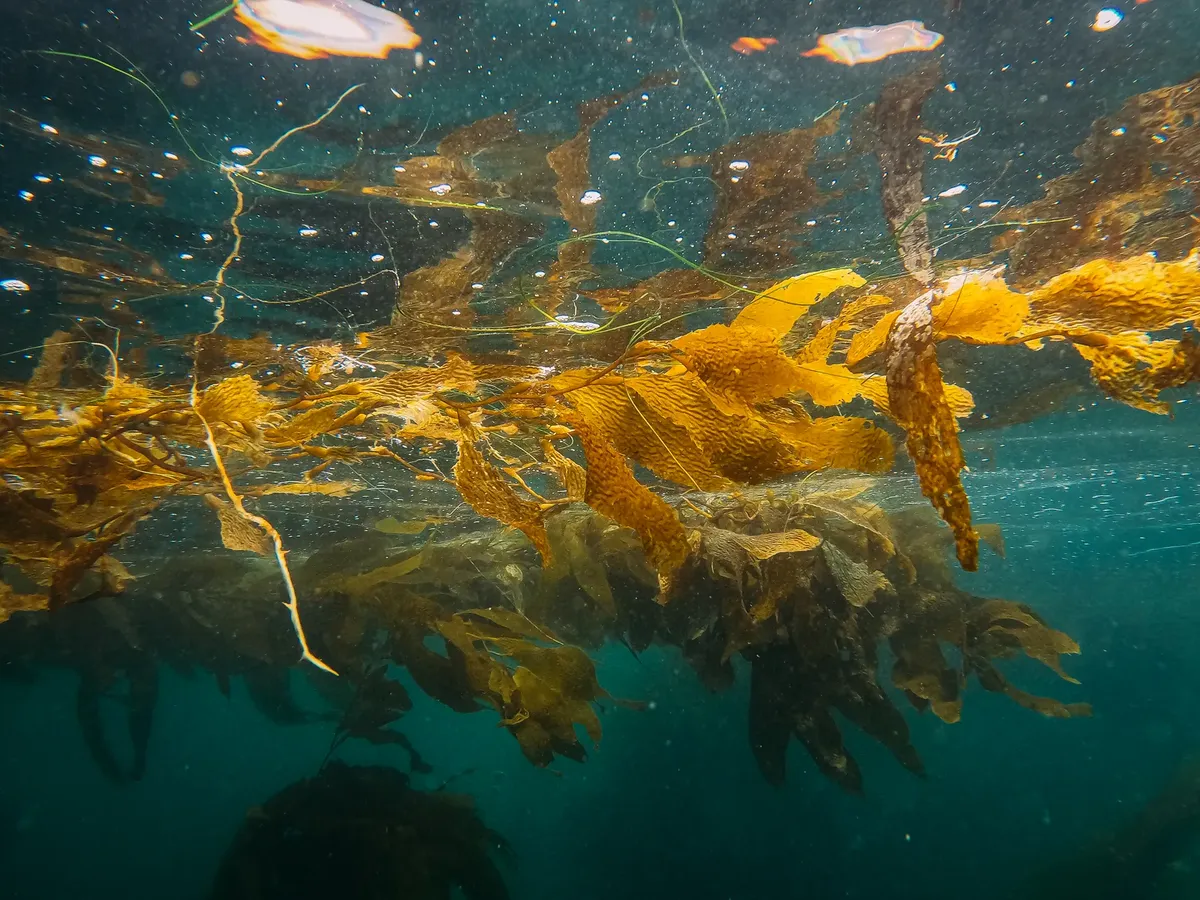
A fisherman casts a line into a dense kelp forest, where small fish dart between golden fronds to escape predators. These kelp species provide essential nursery habitat for fisheries and other marine species and thus protect food sources.
By offering shelter during early life stages, these habitats ensure that juvenile populations can reach maturity, which stabilizes the entire food web.
The balance of marine life depends heavily on these natural nurseries. Without protected spaces for young fish to grow, the recruitment of adult populations would drop significantly. This cycle is the foundation of healthy fisheries and sustainable seafood availability.
What is the role of algae in atmospheric health?
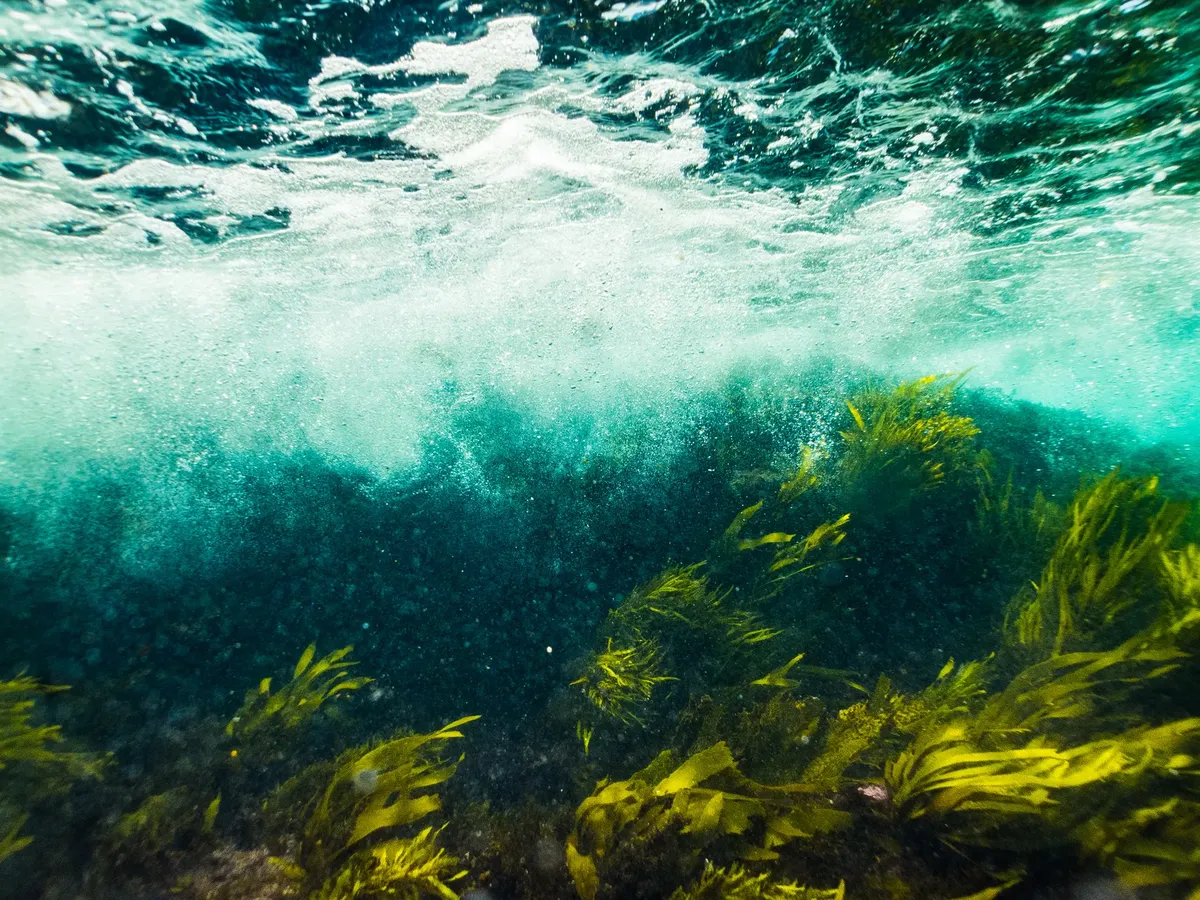
A diver moves through clear blue water, watching tiny particles of light dance in the current. Other species, such as planktonic algae, play a vital role in capturing carbon and producing at least 50% of Earth's oxygen.
This massive biological output makes marine life a cornerstone of the planet's respiratory system.
Maintaining this balance is critical for global climate stability. As these microorganisms capture carbon, they act as a natural sink, helping to regulate the atmosphere. This process demonstrates how even microscopic life influences the air we breathe on land.
Can seaweed be used in agriculture?
In the quiet morning, the farmer kneels on the dark soil to spread the dried marine seaweed over the field.
A farmer spreads organic additives over a dark, fertile field to prepare for the next planting season. The nascent agricultural seaweed sector, including animal feed, soil additives, and agrochemicals, makes up less than 1% of the overall global value of seaweed aquaculture.
While still a small portion of the industry, this sector shows potential for diverse applications.
The expansion of this sector could change how we approach soil health and livestock support. Researchers are looking at how these marine-derived products interact with terrestrial crops and animals.
| Application Type | Potential Benefit |
|---|---|
| Soil Additives | Community composition shifts |
| Disease Control | Reduced pathology severity |
I observed how a shift in community composition was correlated with a 1.48-1.83 times increase in tomato yield in treated soils. This specific comparison highlights how marine elements can directly impact agricultural productivity.
How does seaweed affect plant health?
A gardener examines a tomato plant, looking for signs of stress or infection on the leaves.
Reduced disease severity was noted at 10 and 20 days post-inoculation in comparison to control plants, and the seaweed treatment was found to be more effective at reducing disease pathology than salicylic acid, a known plant protector from biotic and abiotic stresses.
This demonstrates a powerful natural defense mechanism.
Using seaweed-based treatments could provide a way to manage plant health without relying solely on synthetic chemicals. The effectiveness of these treatments in reducing disease pathology is a significant finding for sustainable farming.
How can we manage marine life effectively?
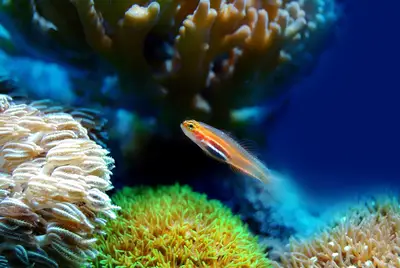
A scientist monitors a coastal reef, documenting the movement of different species through the water. Managing marine life requires an understanding of both the biological needs of species and the human impact on their habitats.
Effective management strategies aim to mimic natural cycles to ensure long-term survival.
One way to approach this is through the following steps: 1. Protect nursery habitats like kelp forests to ensure juvenile survival. 2. Monitor atmospheric contributions like oxygen production to understand ecosystem health. 3.
Evaluate the integration of marine resources into land-based sectors like agriculture. 4. Perform a final check on local biodiversity levels to ensure population stability.
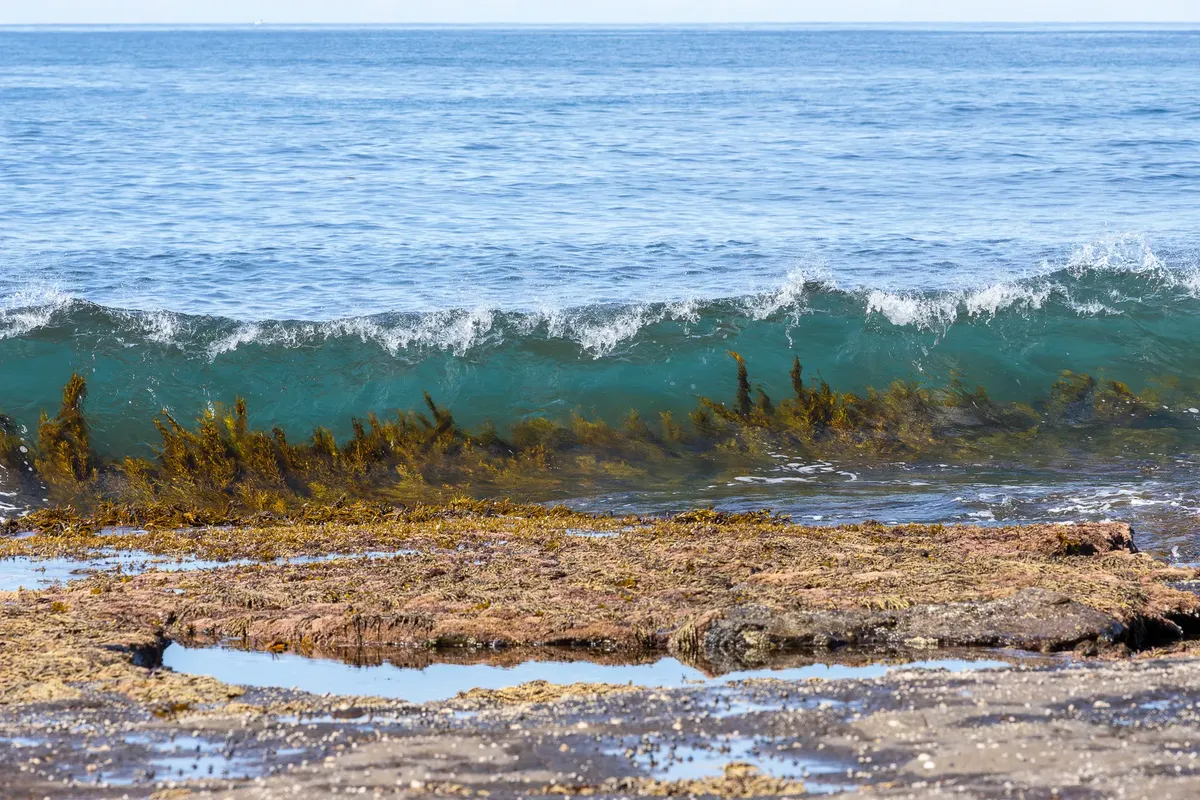
A limitation of these biological interactions is that they are subject to environmental changes that can disrupt the natural balance of nursery habitats.
- How does marine fish breeding impact the food chain?
- What is the role of algae in atmospheric health?
- Can seaweed be used in agriculture?
The subject here is Marine fish breeding impact.
The same subject is also called Saltwater fish reproduction.
The same subject is also called Marine fish ecology.
The same subject is also called Fish breeding balance.
The same subject is also called Saltwater life cycle.
This part also covers Maintaining ecosystem health.
Related
- Marine fish reproduction impact: Why protect spawn ecosystem
- Saltwater fish breeding tips: Guide to marine life success
What impacts the effectiveness of seaweed treatments?
The effectiveness of seaweed-based treatments depends on the specific conditions of the plant and the timing of application. A comparison shows that reduced disease severity occurred at 10 and 20 days post-inoculation when compared to control plants.
This condition highlights how the seaweed treatment can be more effective at reducing disease pathology than salicylic acid.
- Apply seaweed-based treatments to manage plant health. 2. Compare the results against control plants to observe changes in disease severity. 3. Monitor the effectiveness of the treatment against known protectors like salicylic acid.
One must exercise caution because the effectiveness of these treatments is subject to environmental changes that can disrupt the natural balance of nursery habitats. This limitation suggests that the stability of the ecosystem affects the success of marine-derived applications.
Wikipedia: Fisheries management Based on the retained excerpt mentioning Management National Marine Fisheries Service: Report to Congress (2009): The State of Science to Support an Ecosystem Approach to Regional Fishery Management National Marine Fisheries Service, NOAA Technical Memorandum NMFS-F/SPO-96.
FAQ
What role do kelps play in fisheries?
How much oxygen do planktonic algae produce?
Related posts
Marine fish reproduction impact: Why protect spawn ecosystem
Saltwater fish breeding tips: Guide to marine life success

Marine fish breeding impact: Why management is key to oceans

Comments 0