96% Teleosts: Easy saltwater fish for beginners guide
"The blue of the ocean beckons many to start a saltwater aquarium, but selecting the right inhabitants is the difference between a thriving ecosystem and a sudden loss of life."
Starting a marine tank requires choosing species that can handle slight fluctuations in water chemistry and temperature. This guide focuses on identifying easy saltwater fish for beginners by looking at biological traits and hardy species.
You will learn about common fish groups, how to select inhabitants, and the limitations of starting a new tank.
Which saltwater fish are easiest for me to keep?
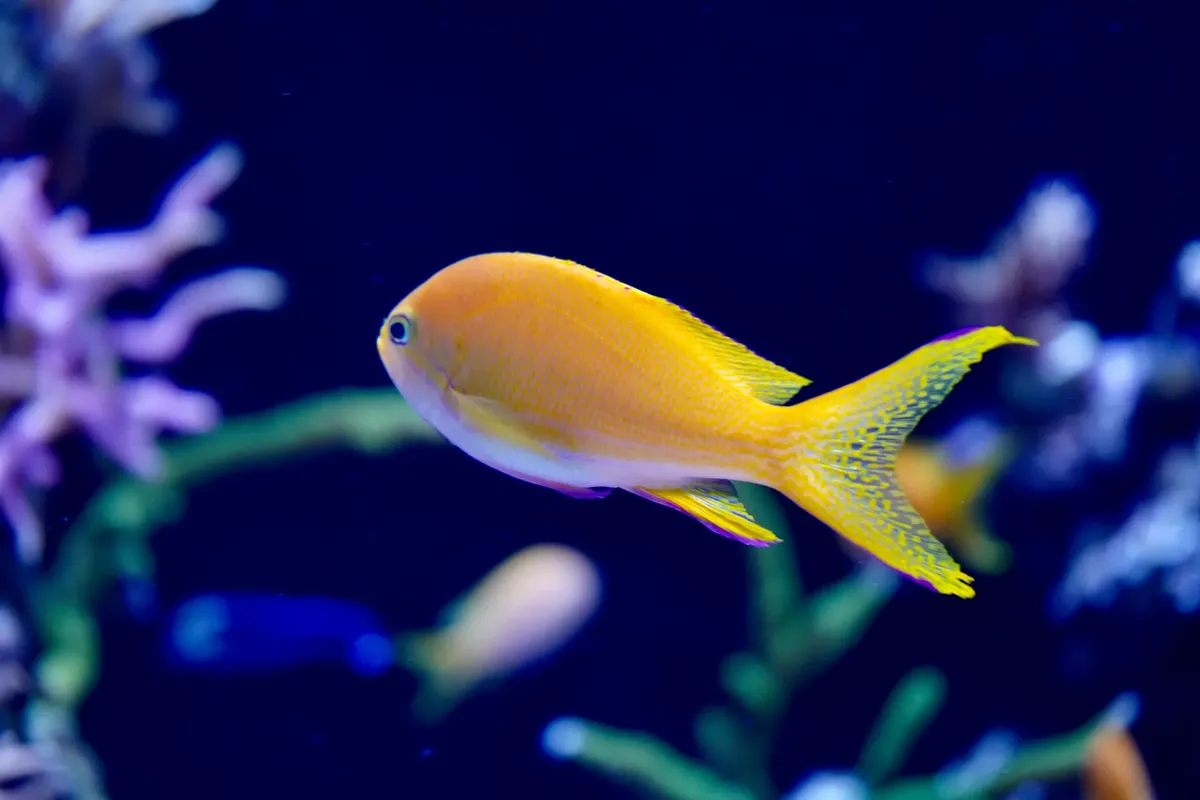
At dusk in the dimly lit living room, I dip my hand into the chilled tank to observe the resilient teleosts darting through the kelp. A hand reaches into a cool, salt-filled tank to adjust a decoration, watching small shapes dart through the water. Selecting the right species involves understanding their biological resilience and how they interact with other tank mates.
Most successful beginner setups involve teleosts, which are bony fishes that make up 96% of all living fish species. These ray-finned fish can protrude their jaws, allowing for efficient feeding in various environments.
Because they represent such a vast portion of aquatic life, finding hardy varieties is often easier with these types.
A beginner saltwater fish should ideally be a species that can tolerate the transition from a pet store to a home aquarium. Selecting a fish with a robust temperament often prevents much of the stress associated with new environments.
Hardy species typically tolerate slight fluctuations in water parameters better than more sensitive varieties.
How do you choose a beginner friendly sea fish?
A bright yellow fish swims toward a coral branch, testing the current of the filter. Choosing a beginner friendly sea fish requires looking at both the physical size and the social needs of the animal.
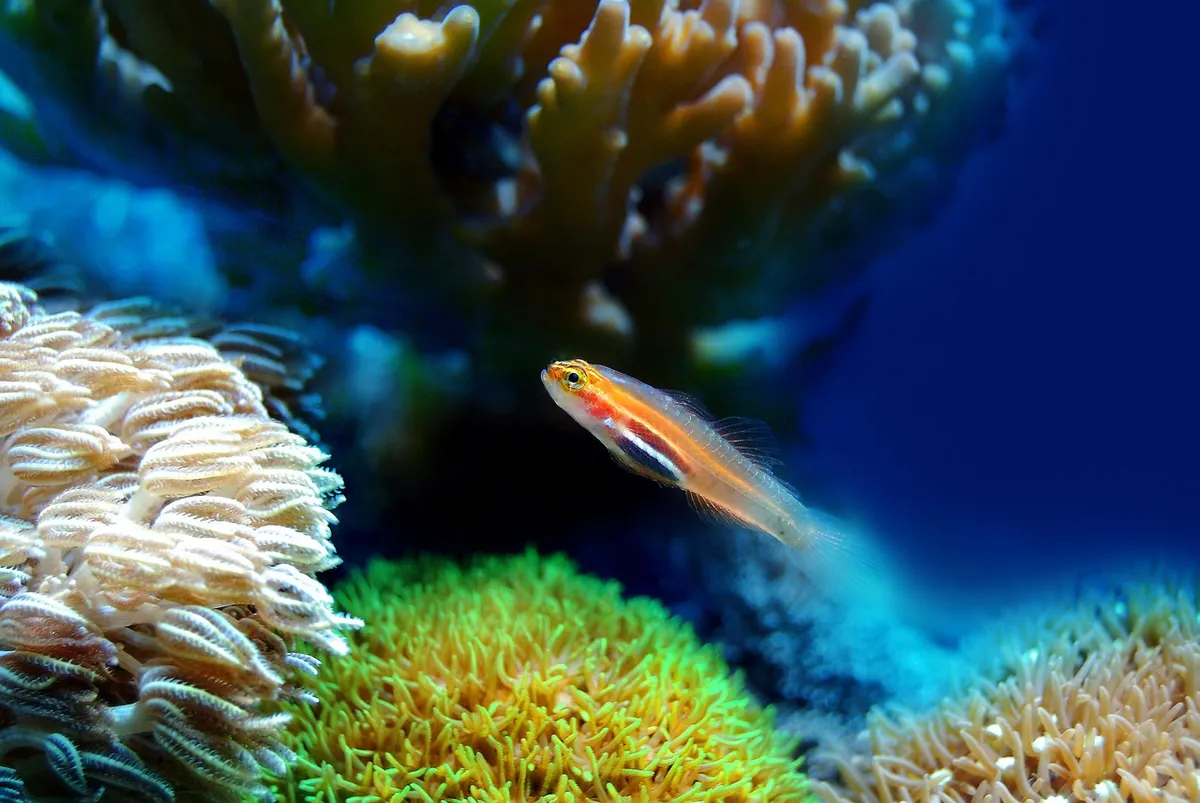
Many hobbyists look for specific traits such as hardiness and manageable size. For example, some species are known for being more adaptable to different salinity levels than others. It is important to consider how a fish will grow and how much space it will eventually require.
A simple saltwater pets selection should prioritize species that do not require specialized, high-end equipment immediately. Many hobbyists find that smaller, hardier species allow for more forgiving mistakes during the initial months of ownership.
I find that the second step in this selection process is the most time-consuming.
According to The Food and Agriculture Organization, the 2017 record includes 34%.
How do I set up my first saltwater aquarium? A person carefully pours saltwater into a glass vessel, watching the grains dissolve. Success in a new aquarium depends on a structured approach to introducing life to the water.
- Establish a stable nitrogen cycle to ensure the water is safe for biological life before adding any inhabitants. 2. Select species that are compatible in size and temperament to prevent aggression or predation within the tank. 3. Monitor water parameters daily during the first few weeks to ensure the environment remains stable for the new arrivals.
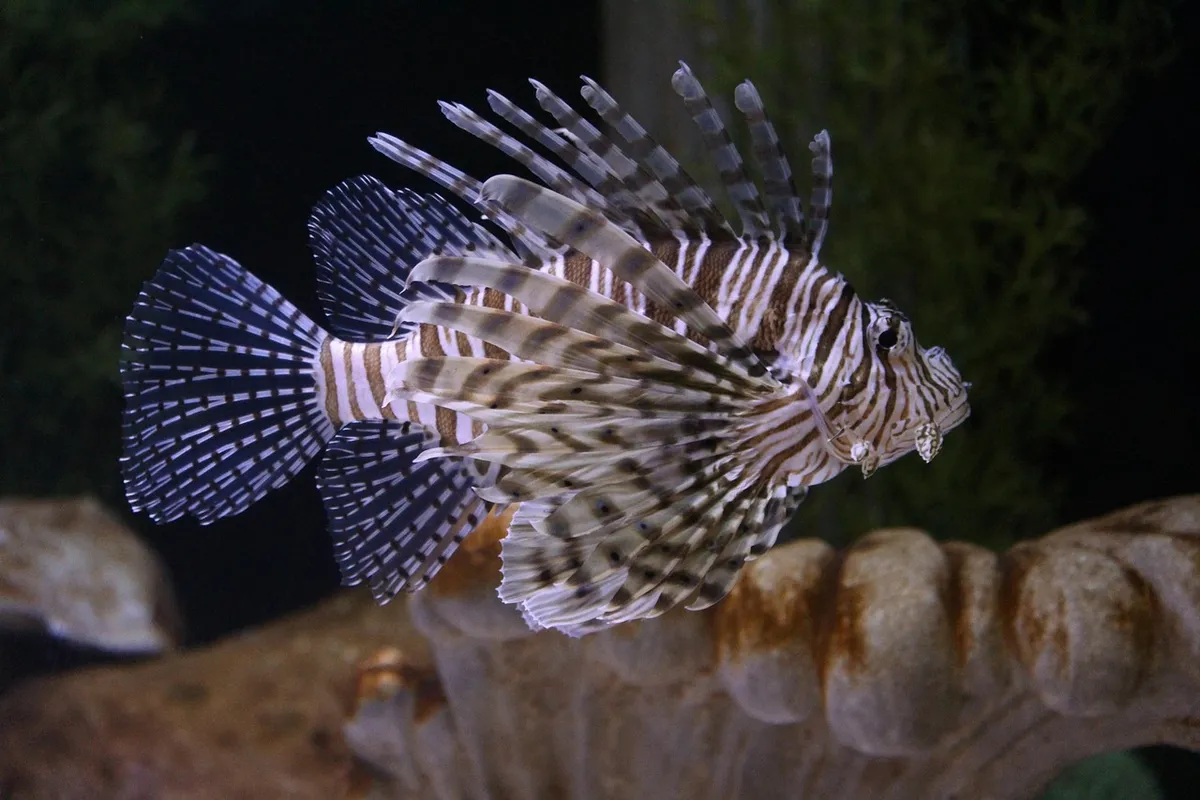
I remember my first time testing water after adding a new fish; the careful balance was much more delicate than I had anticipated. Following these steps helps mitigate the risks of sudden population loss.
- Install the aquarium and filtration system.
- Cycle the water to establish beneficial bacteria.
- Add the first inhabitants to the tank.
How do you manage a low maintenance marine tank?
A silent filter hums in the background while the water remains crystal clear. Achieving a low maintenance marine tank involves selecting species that do not demand constant specialized feeding or aggressive territorial management.
A low maintenance marine tank is often achieved by selecting species that are opportunistic feeders. Some fish are much more forgiving of slight changes in diet than others. This allows the owner to focus on water quality rather than constant feeding schedules.
| Feature | Hardier Species | Sensitive Species |
|---|---|---|
| Environmental Tolerance | High | Low |
| Feeding Requirements | Opportunistic | Specialized |
One should always check the specific needs of a species before adding it to a communal environment. A successful tank relies on the harmony of all inhabitants.
Consistency in routine helps prevent sudden changes in the aquatic environment.
What are some beginner fish care tips?
A small net moves slowly through the water to gently move a fish to a different container. Effective beginner fish care tips revolve around consistency in feeding and strict adherence to water testing schedules.
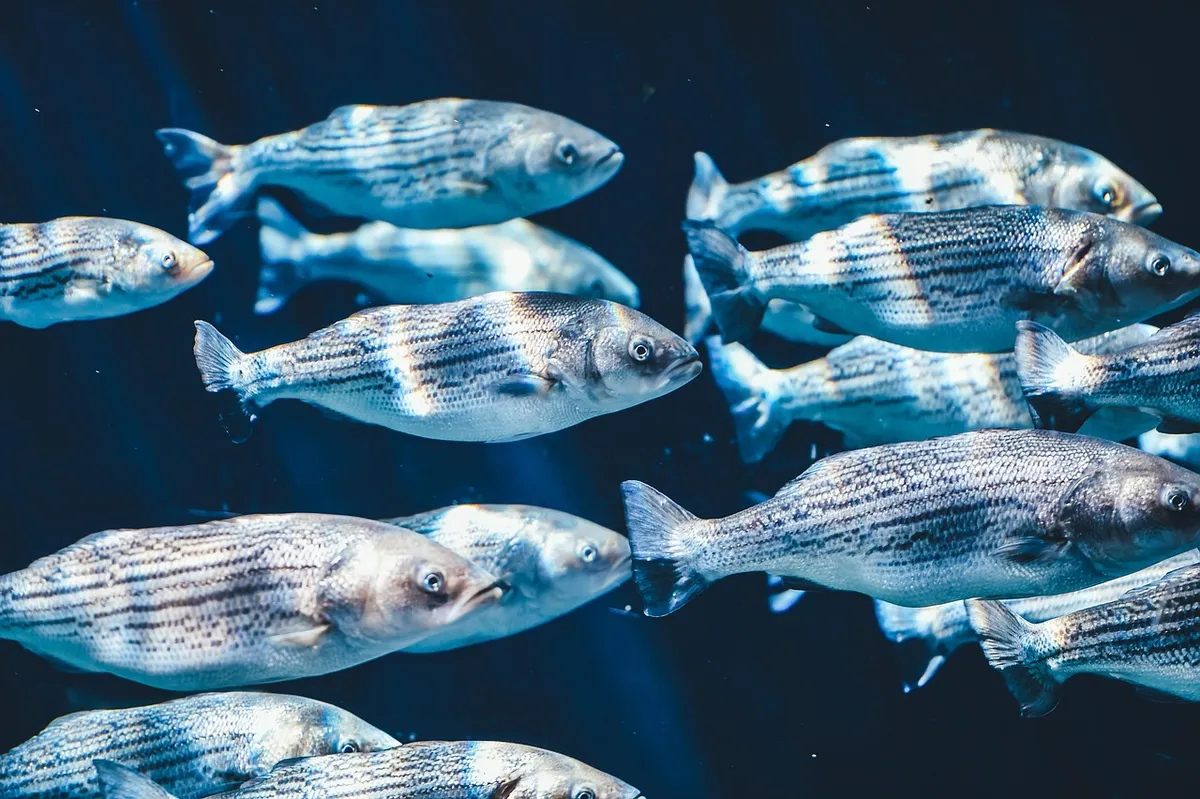
Regularly testing the water is the most critical part of maintaining any marine environment. Because salt levels and biological waste can shift quickly, constant monitoring is necessary. It is also vital to match the feeding schedule to the metabolic needs of the fish.
Small changes in the environment can lead to large changes in fish health. Watching how a fish reacts to a new food or a water change provides immediate feedback on the stability of the tank.
Regularly monitoring water quality is essential for long-term success.
Related
- Beginner's fish tank setup: Guide to tropical fish
- Saltwater fish breeding guide: How to manage water quality
How does the ocean influence tank inhabitants?
The blue of the ocean provides the ultimate model for successful marine life, and tank inhabitants must emulate its resilience. Teleosts, which constitute the majority of ocean fish, possess the biological structures necessary to survive minor shifts in conditions.
According to the Food and Agriculture Organization, "in 2017, 34 percent of the fish stocks of the world's marine fisheries were classified as overfished".
According to the New Jersey Department of Environmental Protection, the agency provides highlights and photos of NJ state record saltwater fish.
This mirrors the ocean's own dynamic environment, where stability is rarely absolute.
Natural salinity and mineral levels mimic the complex chemistry of the sea.
What cautions apply when introducing new fish?
Introducing new fish into the established system requires extreme caution regarding compatibility. The temperament of each species must align with the established tank mates to prevent undue stress or conflict. Considering the growth rate of the fish is also a necessary step before integration.
What about the blue of the ocean influences tank inhabitants? The blue of the ocean serves as the ultimate template for thriving marine life, and the tank's residents must reflect its inherent durability. Teleosts, which make up the bulk of ocean fish, possess the inherent biological frameworks needed to withstand minor environmental shifts. This parallels the ocean's own ever-changing setting, where perfect equilibrium is seldom maintained.
What precautions are necessary when introducing new fish?
Introducing any new fish into the established system demands extreme prudence concerning compatibility. The disposition of each species must harmonize with the existing tank companions to avert unnecessary strain or disputes.
Furthermore, factoring in the growth trajectory of the fish is a crucial prerequisite before integration.

Comments 0