Saltwater fish breeding tips: Guide to marine life success
"The ocean's rhythmic tides bring life to a complex web of survival, where the very foundations of the ecosystem are built upon microscopic and macroscopic growth."
Successful saltwater breeding begins with understanding the delicate balance of the aquatic environment and the biological needs of specific species. This guide provides essential insights into managing marine life through environmental control and habitat management.
Key takeaways include the importance of nursery habitats, the role of oxygen production in marine ecosystems, and the necessity of stable environmental conditions for successful reproduction.
What do I need to know to breed saltwater fish? A hobbyist stands before a glass pane, watching the gentle sway of anemones and the rhythmic movement of water. Establishing a stable environment is the first step in any successful marine fish breeding guide.
Oregon State University provides insights into seaweed biology.
According to Oregon State University, insights into seaweed biology can provide novel perspectives on ecophysiology, ecology, and utilization.
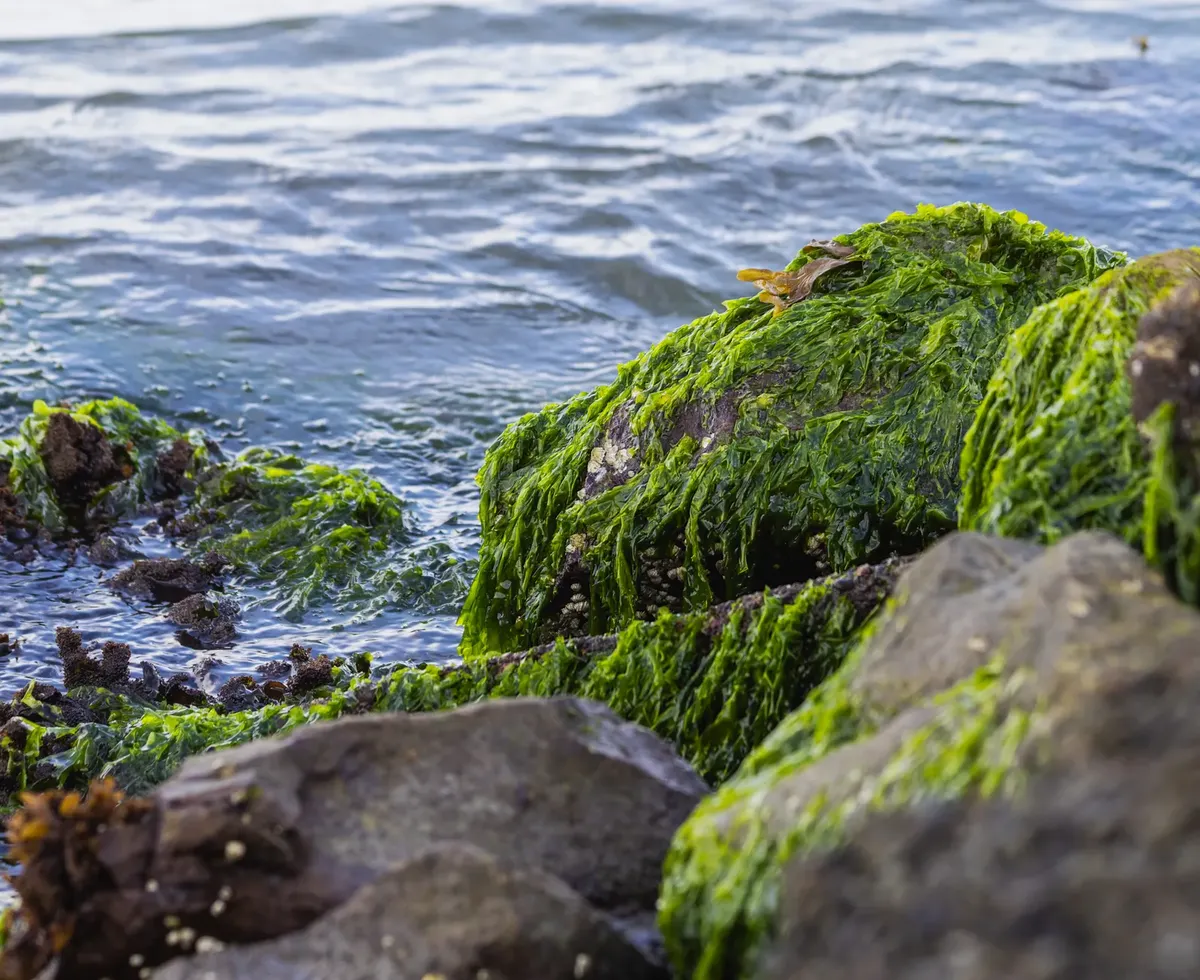
Natural habitats often feature complex structures that provide shelter for developing young. In the wild, seaweed species such as kelp provide essential nursery habitat for fisheries and other marine species, which protects vital food sources.
For an aquarium enthusiast, replicating these protective environments is a primary goal.
Creating a safe space mimics the natural nursery effect found in kelp forests. Without these structural elements, fry and juveniles often lack the protection needed to survive. A marine fish breeding guide must prioritize the inclusion of hiding spots and shelter.
Successful breeding management requires more than just water chemistry; it requires a biological foundation. For instance, different species of algae play a vital role in capturing carbon and producing at least 50% of Earth's oxygen.
Maintaining high oxygen levels is critical for the metabolic needs of breeding adults and developing larvae.
How do I manage successful breeding management? Saltwater fish breeding tips
In the dim light of the evening, I adjust the filter valve and feel the rhythmic pulse of the saltwater current.
The light shifts across the tank as a breeder carefully adjusts the flow of a protein skimmer. Successful breeding management involves mirroring the seasonal changes that trigger spawning in the wild.
The first step is to establish a consistent water chemistry profile that mimics the natural habitat of the target species. This includes salinity, temperature, and pH stability.
The second step is to introduce seasonal cues, such as changes in photoperiod or subtle temperature shifts, to signal breeding readiness. These triggers are often the catalyst for spawning behavior.
The third step is to provide specialized feeding regimens that support the high energy demands of egg production and larval growth.
A final check involves verifying that the filtration system can handle the increased biological load that comes with a more active population. Fish breeding success keys often depend on this delicate balance of nutrition and water quality.
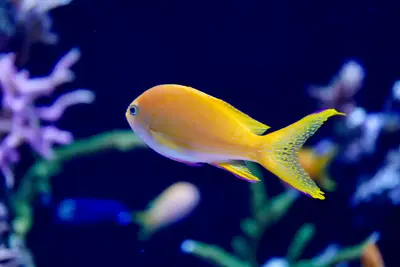
How do I correctly pair my marine fish? Two colorful fish drift toward each other in the center of a reef tank, testing the waters of a new social dynamic. Understanding marine fish pairing requirements is vital to prevent aggression during the sensitive breeding window.
In many species, pairs form through specific courtship rituals that involve color changes or territorial displays. A marine fish breeding guide suggests observing these behaviors to ensure the pair is compatible before introducing them to a shared space.
Aggression can be a major hurdle when attempting to breed specific species. If the pair is not compatible, the stress can prevent successful spawning. Providing multiple hiding spots can help mitigate territorial disputes during the pairing phase.

The relationship between species and their environment dictates how they interact. A marine fish breeding guide often emphasizes that certain species require much more space or specific tank mates to minimize conflict during the breeding process.
How can I achieve fish breeding success keys?
A breeder carefully moves a small net through a partitioned tank, checking on the health of the inhabitants. Achieving fish breeding success keys requires patience and a deep understanding of life cycles.
One must recognize that successful breeding is not a guaranteed event but a result of meeting specific biological triggers. For many species, this means providing an environment that feels secure enough for the fish to focus on reproduction rather than survival.
The survival of the offspring is the ultimate measure of success. In natural settings, the availability of food and shelter determines the survival rate of the next generation. Replicating these natural successes in a controlled environment is the core of the hobby.
A marine fish breeding guide should always note that success varies significantly between species. What works for a clownfish may not work for a wrasse.
What are the limitations of saltwater breeding?
A hand reaches out to adjust a light fixture, momentarily casting a shadow over the coral. A primary limitation is that certain species have highly specific environmental requirements that are difficult to replicate in a home aquarium.

The complexity of marine life means that not all species are suitable for captive breeding. Some require specific oceanic currents or vast spaces that a standard aquarium cannot provide.
| Factor | Impact on Breeding |
|---|---|
| Nursery Habitat | Protects young and food sources |
| Oxygen Levels | Essential for metabolic health |
I observed that even with the best equipment, mimicking the exact nutrient levels of a natural reef remains a significant challenge.
- What do I need to know to breed saltwater fish?
- How do I manage successful breeding management?
- How do I correctly pair my marine fish?
The subject here is Saltwater fish breeding tips.
The same subject is also called Marine fish reproduce guide.
The same subject is also called Saltwater breeding secrets.
The same subject is also called Marine fish pairing guide.
This part also covers Ideal breeding conditions.
Related


Comments 0