Tropical fish breeding basics: Guide to healthy fish growth
"The scientific consensus is that fish can detect and respond to noxious stimuli, and experience pain."
Successful tropical fish breeding basics require managing water quality, recognizing reproductive cues, and maintaining controlled population density to prevent overstocking.
This guide is for hobbyists looking to expand their aquatic collections through sustainable methods while ensuring the welfare of their fish.
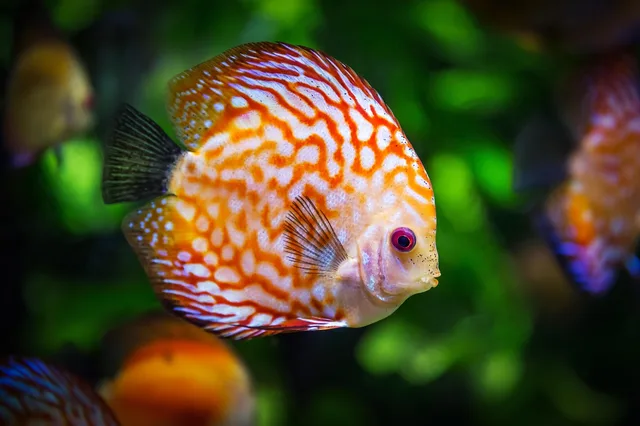
You should avoid sudden environmental shifts and overfeeding, though these methods may not apply to species with highly specialized, non-standard breeding requirements. 1. Establish stable water parameters for spawning. 2. Monitor population density to prevent stress. 3. Identify physiological cues in breeding pairs. * Implement controlled separation for fry.
How to start tropical fish breeding basics?
A hobbyist sits by a glass tank, watching the subtle movements of a pair of tetras in the dim light of a Tuesday evening. They carefully adjust the heater, feeling the slight warmth radiating from the water surface as they prepare the environment for a potential spawning event.
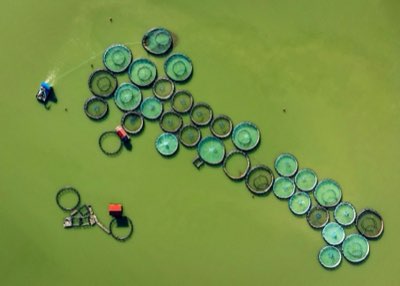
According to the Singapore Economic Development Board, Singapore’s tropical aquaculture tech expertise can be exported to neighbours.
Effective rep involves creating a stable environment that mimics natural seasonal changes. According to the British Farm Animal Welfare Committee 2014's report, fish can detect and respond to noxious stimuli, so minimizing environmental stress is vital for successful breeding.
Maintaining consistent temperature and pH levels ensures that the fish feel secure enough to engage in reproductive behaviors.
Why is fish population control necessary?
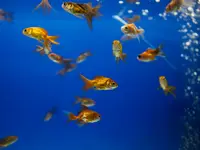
A person stands before a crowded aquarium, observing how the rapid movement of many small fish creates turbulence in the water. They note the way some individuals dart away from the group, signaling the need to manage the growing numbers within the limited space.
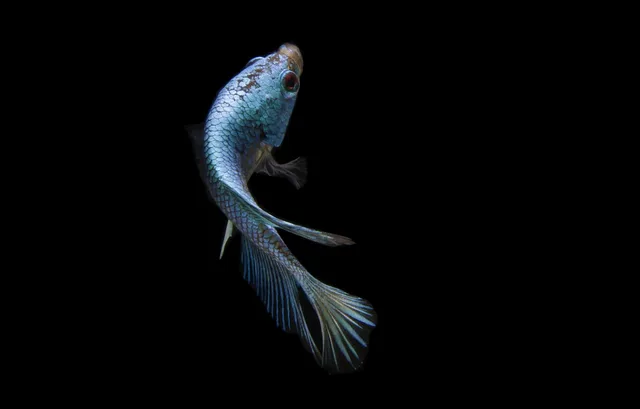
According to The Food and Agriculture Organization, "in 2017, 34 percent of the fish stocks of the world's marine fisheries were classified as overfished".
Managing stock prevents the negative effects of overcrowding, which can lead to disease and aggression. Implementing fish population control helps maintain a healthy ecosystem where each individual has access to adequate oxygen and food.
This practice is essential for long-term stability in a closed aquatic system.
What are the best healthy fish growth tips?
A caregiver drops a single flake of food into the water, watching it drift slowly toward the bottom of the tank. They observe how the fish approach the surface with vigor, checking for signs of consistent appetite and vigorous swimming patterns.
To ensure vitality, focus on high-quality nutrition and clean water. Following healthy fish growth tips means providing varied diets that meet the specific nutritional needs of different life stages.
Regular water changes and efficient filtration are the cornerstones of supporting robust development in young and adult fish alike.
How can I follow an aquarium breeding guide?
A breeder reaches for a small net, carefully moving a group of fry from a specialized breeding tank into a separate nursery container. They check the water temperature once more, ensuring the transition is as smooth as possible for the delicate young fish.
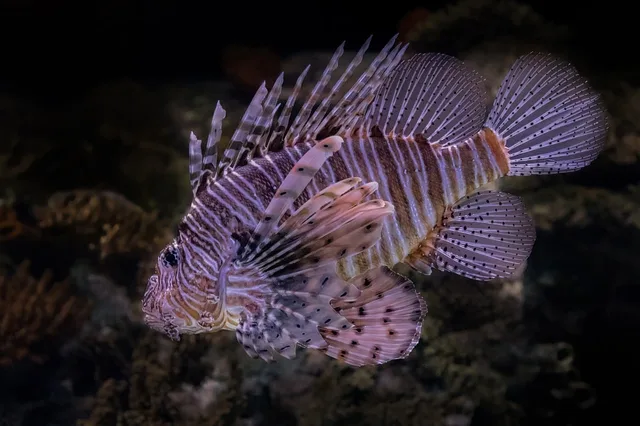
A structured aquarium breeding guide should emphasize the following steps:
- Identify a compatible breeding pair by observing courtship displays. 2. Prepare a dedicated spawning tank with appropriate substrate and hiding places. 3. Separate the parents from the eggs or fry immediately after spawning to prevent predation.
After completing these steps, perform a final check of the water chemistry to ensure the new inhabitants are not experiencing any sudden shifts.
How do I master managing tropical fish stock?
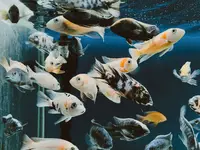
A technician examines a large-scale tank, noting the density of the inhabitants and the clarity of the water. They record the observations in a logbook, planning the next steps for maintaining the balance of the aquatic community.
Mastering the art of managing tropical fish stock requires constant observation of behavior and water quality. One should look for signs of competition or lethargy that indicate the population has exceeded the tank's carrying capacity.
Effective management ensures that the biological load does not overwhelm the filtration system.
What are the advanced fish reproduction techniques?
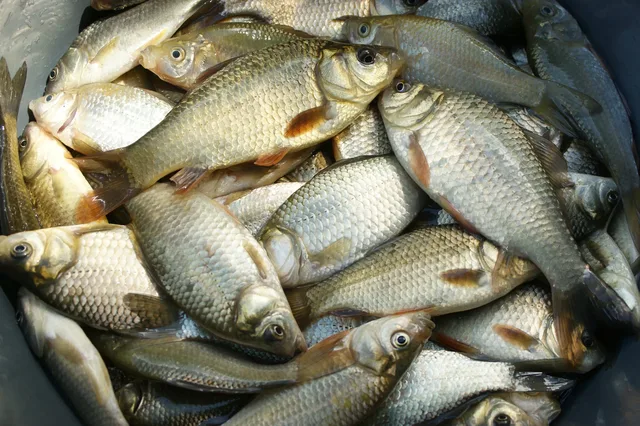
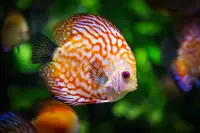
An enthusiast studies the intricate patterns on a fish's scales, looking for the specific color changes that indicate readiness for spawning. They prepare the specialized equipment needed for more complex species, moving with precision in the quiet room.
For those seeking more complex results, exploring advanced fish reproduction techniques can lead to higher success rates with demanding species. This often involves specialized lighting schedules or the introduction of specific water minerals.
Optimizing fish breeding success requires a deep understanding of the specific life cycle and environmental triggers of the chosen species.
The subject here is Tropical fish breeding basics.
The same subject is also called Fish life cycle care.
Related
- Freshwater fish breeding tips guide for hobbyists best
- How to build healthy aquarium ecosystem using 50 origins
What precautions should hobbyists take when breeding?
- Avoid sudden environmental shifts during the spawning cycle. 2. Refrain from overfeeding the fish, as this can degrade water quality. 3. Recognize that some species possess highly specialized, non-standard breeding requirements.
The scientific consensus dictates that minimizing environmental stress is vital for successful breeding, which means adhering to stable water parameters. Hobbyists must proceed with caution because the fish's ability to detect noxious stimuli means they are sensitive to poor conditions.
When should fry be separated from parents?
Fry should be separated from the parents immediately following the spawning event. This procedure is necessary to prevent the young fish from being subjected to predation by the adults. A structured breeding guide mandates this separation to ensure the survival of the delicate fry.
The transition into the nursery container must be as smooth as possible for the young fish. This careful handling is part of implementing controlled separation for fry, which is a fundamental step in any successful aquatic collection expansion.
Maintaining consistent water chemistry during this transfer is a critical caution.
The scientific consensus supports the idea that fish react to stress, so the entire process must be managed gently. Overstocking the initial breeding tank before separation can introduce stress that hinders the fry's initial development.
This careful management aligns with the goal of sustainable expansion.

Comments 0