Aquarium food balance guide how to master feeding practices
"A stable ecosystem requires a delicate balance between the resources provided and the consumption of the inhabitants."
This guide focuses on managing aquarium food balance and establishing a fish stocking guide to prevent nutrient spikes and aggression.
How to master aquarium food balance?
A hand reaches into a container of flakes, hovering over the surface of the water as the first light of morning hits the glass. Achieving proper aquarium food balance involves matching the frequency of feeding to the specific biological needs of your inhabitants.
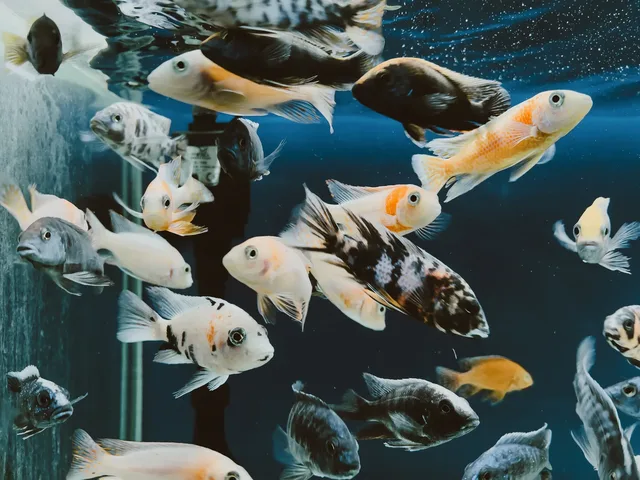
Overfeeding leads to excess organic matter, which can destabilize the water quality.
By adhering to a consistent schedule, you ensure that nutrients are consumed rather than decomposing on the substrate.
What is the best guide for stocking fish?
At dawn, a finger traces the glass of the aquarium while a school of bright fish darts through the plants. A colorful school of tetras darts through a dense thicket of green plants, avoiding a larger, slower-moving catfish near the bottom. Following a reliable fish stocking guide requires understanding how different species interact within a confined space.
Effective cohabitation depends on matching the temperaments and swimming levels of your chosen fish. You must consider whether certain species will compete for the same feeding zones or if larger fish might stress smaller ones.
A successful setup integrates various niches to reduce competition and promote a calm environment.
Can I use water balance tips to stay stable?
The filter hums steadily in the corner of the room, pushing clear, oxygenated water through the artificial reef. Implementing water balance tips is essential for managing the chemical byproduct of biological life.
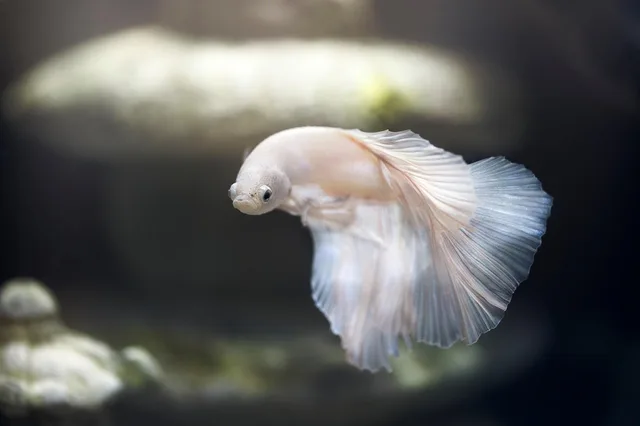
Managing nutrient levels in tanks is a continuous process of monitoring and adjustment. You must ensure that the nitrogen cycle remains functional to process waste effectively. Stable water parameters prevent the sudden shifts that often lead to stress or illness in aquatic life.
How do I implement a stable tank ecosystem setup?
A sponge filter gently bubbles, releasing tiny streams of air that dance toward the surface. Creating a stable tank ecosystem setup involves a multi-layered approach to biological management.
To achieve this, you should focus on the following steps: 1. Select compatible species that occupy different vertical layers of the water column. 2. Establish a consistent feeding schedule of 1-2 times a day to prevent waste buildup. 3.
Monitor water quality regularly to ensure nutrient levels remain within safe limits.
I have found that checking the substrate for uneaten food after every meal is a vital final step.
What are the best practices for fish cohabitation?
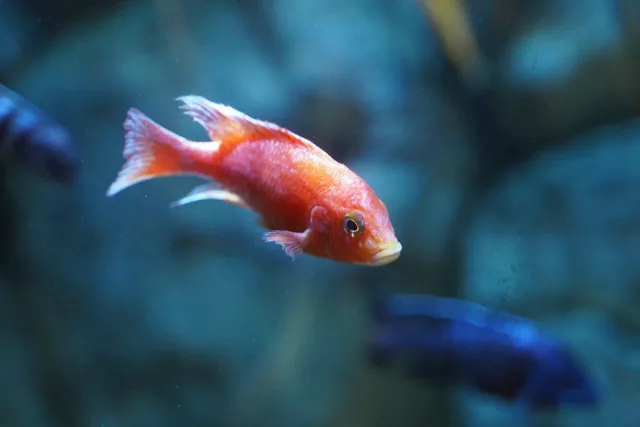
A small gourami rests near a broad leaf, watching a shimmering school of danios pass by in the middle of the afternoon. Following best practices for fish cohabitation means prioritizing the social structure of your tank.
Harmonious fish care is achieved when the density of the population does not exceed the capacity of the filtration system. You must observe the behavior of your fish closely to identify any signs of territorial disputes or bullying.
If certain species are incompatible, they should be moved to separate environments immediately.
Managing nutrient levels in tanks
The water remains crystal clear as the sun sets, casting long shadows across the gravel. Managing nutrient levels in tanks is the primary defense against algae blooms and toxic ammonia spikes.
Using specific expertise in managing nutrient levels in tanks helps prevent the over-accumulation of nitrates. This requires a combination of regular water changes and efficient biological filtration.
Proper maintenance ensures that the food provided is utilized for growth rather than becoming a pollutant.
| Feeding Frequency | Variable Factor |
|---|---|
| 1-2 times a day | Species and tank size |
The effectiveness of these feeding strategies is limited to the specific species and tank sizes mentioned in the guidelines.
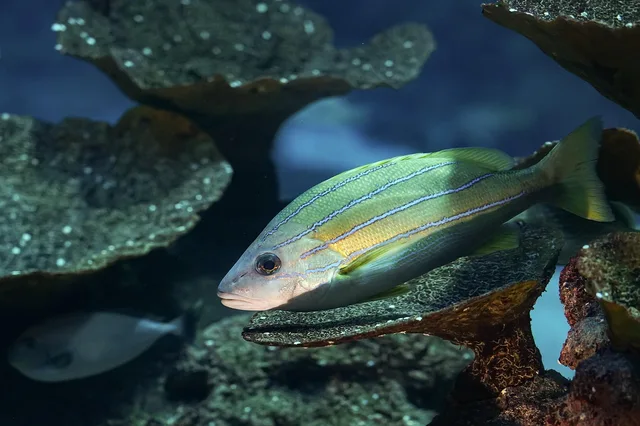
- To maintain a stable aquarium ecosystem, you must balance nutrient input through controlled feeding and ensure harmonious cohabitation among species.
- You should feed fish 1-2 times a day based on species and tank size, but be aware that these methods may not account for sudden changes in water chemistry or specific metabolic shifts in individual fish.
- According to best practices, you should feed fish 1-2 times a day, depending on the species and tank size.
The same subject is also called Feeding aquarium fish.
Related
- How do I start a beginner fish stocking guide?
- Tropical fish breeding basics: Guide to healthy fish growth
What are the conditions for a stable ecosystem?
- The resources must be balanced against the consumption of the inhabitants. 2. Nutrient input must be controlled through feeding practices. 3. Species must coexist harmoniously within the tank environment.
The stability of the ecosystem relies heavily on the continuous management of inputs and outputs. If the consumption rate surpasses the resource availability, the ecosystem faces imbalance. This delicate balance requires constant attention from the caretaker.
When should I adjust feeding practices?
- Sudden changes in water chemistry necessitate a review of feeding methods. 2. Metabolic shifts in individual fish require careful observation of consumption patterns. 3. Overfeeding conditions must be avoided at all times to prevent waste accumulation.
The feeding schedule must adapt when environmental stressors appear. Recognizing these shifts allows the caretaker to intervene before the ecosystem suffers undue strain. This proactive approach sustains the stable ecosystem.
The comparison between feeding frequency and tank size shows that the guidelines are not absolute rules. The specific species dictates the true requirement for sustenance. Therefore, the caretaker must always prioritize the observed health over the generalized advice.
Wikipedia: Fisheries management Based on the retained excerpt mentioning Management National Marine Fisheries Service: Report to Congress (2009): The State of Science to Support an Ecosystem Approach to Regional Fishery Management National Marine Fisheries Service, NOAA Technical Memorandum NMFS-F/SPO-96.

Comments 0