Tropical fish breeding guide: Mimic shifts for success
"Success in tropical fish breeding requires a delicate balance of environmental triggers and biological timing."
Effective tropical fish breeding involves simulating natural seasonal changes and providing secure spawning environments to encourage reproductive behaviors.
This guide covers essential environmental triggers, habitat setup, and parental care strategies to help hobbyists successfully raise healthy fry.
Key takeaways: 1. Mimic natural seasonal shifts in temperature and water quality to trigger spawning. * Provide specialized substrate or plants for egg attachment and fry protection. * Separate parents from offspring when necessary to ensure survival rates.
How to trigger a natural fish breeding cycle?
At dusk, I slowly turn the dial on the heater to warm the water, mimicking a tropical rainstorm to spark the instinct to spawn.
A hobbyist adjusts the thermostat in a quiet room to prepare for a scheduled spawning event. To initiate the process, you must replicate the environmental shifts that occur in the wild, such as changes in water temperature or rainfall patterns.
According to the Singapore Economic Development Board, Singapore’s tropical aquaculture tech expertise can be exported to neighbours.
The fish breeding method often begins by slightly raising the water temperature to simulate approaching warmer seasons. This change can signal to the adult fish that it is the optimal time to reproduce.
You should also perform regular water changes to mimic fresh rainwater entering a natural habitat. These fluctuations help stabilize the reproductive hormones in the fish.
In some cases, a specific fish breeding cycle is triggered by a decrease in light intensity or a shift in feeding schedules. Providing high-protein live foods can also provide the necessary energy for egg production.
By carefully managing these variables, you create the biological urge for the fish to spawn.
How do I set up the perfect fish spawning environment? Tropical fish breeding guide
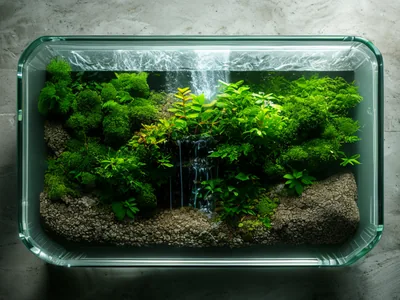
I carefully slide a thick layer of moss into the glass tank at noon, feeling the damp texture of the tropical plants against my fingertips. A person carefully places a mesh breeding net and a cluster of live plants into a clean glass tank. Creating a stable environment is vital because the fish spawning setup must provide both a place to lay eggs and a refuge for the young.
The physical layout of the tank depends heavily on the specific species being bred. Some fish require soft, sandy substrates for digging nests, while others need dense vegetation to hide eggs.
Providing specialized surfaces like ceramic plates or moss helps ensure that eggs remain secure and do not get buried or lost.
Maintaining water stability is the second pillar of a successful setup. While environmental triggers start the process, the environment must remain consistent once spawning begins. Using specialized filtration that prevents fry from being sucked in is a necessary component of this setup.
How does the natural fish breeding process work?
As evening falls, I watch through the glass while the warm water pulses against my palms, witnessing the synchronized dance of the tropical pair. An observer watches through the glass as a pair of fish engages in a synchronized dance near a floating leaf. To master the reproductive cycle, one must understand the natural fish breeding process, which varies from egg-laying to live-bearing.
Egg-laying species often require specific surfaces for attachment, such as broad leaves or smooth stones. Once the eggs are laid, the biological timing of the species dictates whether the parents will guard them or if they must be removed.
Understanding these behaviors helps prevent the loss of an entire generation.
Live-bearing species, such as guppies, present a different set of needs because the young are born fully formed. In these cases, the focus shifts from egg protection to providing immediate cover for the fry.
Observing the specific courtship rituals of your fish can provide clues about their unique requirements.
Managing the fish reproductive cycle for fry survival
A breeder gently moves a small net of newborn fry into a separate, low-flow nursery tank. Managing the fish reproductive cycle requires careful attention to the transition from newborn to independent feeder.
- Identify the specific needs of the fry, such as whether they require microscopic food or larger particles. 2. Provide dense hiding spots like floating plants to prevent larger fish from eating the young. 3. Monitor water quality daily, as fry are much more sensitive to ammonia and nitrate spikes than adults.
After the initial period, you must perform a final check on the health of the fry. Ensuring they can navigate the current of the filter is essential for their long-term survival. I once found that using a sponge filter was the most effective way to keep tiny fry safe during this transition.
Can fish breeding be successful in small tanks?
A hobbyist looks at a small desktop aquarium and wonders if it can support a breeding colony. While small tanks can be used for breeding, they present unique challenges regarding water stability and space.
Small volumes of water undergo much faster changes in temperature and chemistry. This instability can stress the parents and lead to lower egg production or higher fry mortality. It is generally easier to manage the environment in a larger volume of water.
If you use a small tank, you must be much more diligent with water changes and monitoring. The limited space also makes it harder to separate parents from offspring. Success in small environments is possible but requires much more frequent intervention and precision.
- How to trigger a natural fish breeding cycle?
- How do I set up the perfect fish spawning environment?
- How does the natural fish breeding process work?
Related
- 96% Teleosts: Easy saltwater fish for beginners guide
- Beginner's fish tank setup: Guide to tropical fish
What cautions must be observed during the reproductive cycle?
The primary caution involves the rapid chemical shifts in small volumes of water. Since small tanks experience faster changes, the hobbyist must be extremely vigilant regarding water parameters.
This heightened sensitivity means that any fluctuation in ammonia or nitrate levels affects the fry much sooner than it affects the robust adult fish.
Maintaining water stability is crucial throughout the entire process. While the initial triggers initiate the cycle, the subsequent consistency of the habitat dictates the survival rate of the eggs or young. This consistency applies equally to the temperature and the chemical balance of the water.
Success in tropical fish breeding hinges on the ability to manage both the environmental cues and the physical security of the developing generation. The delicate balance between simulating nature and providing a controlled setting must be maintained for the best outcome.

Comments 0