Aquatic Plant Selection Guide: Achieve 80% Coverage
"The greenery of a mature tank transforms a simple glass box into a living, breathing landscape."
Choosing the right plants involves balancing aesthetic vision with the biological needs of the ecosystem. This guide covers how to select species for coverage, the role of plants in managing the aquarium floor, and the impact of vegetation on water stability.
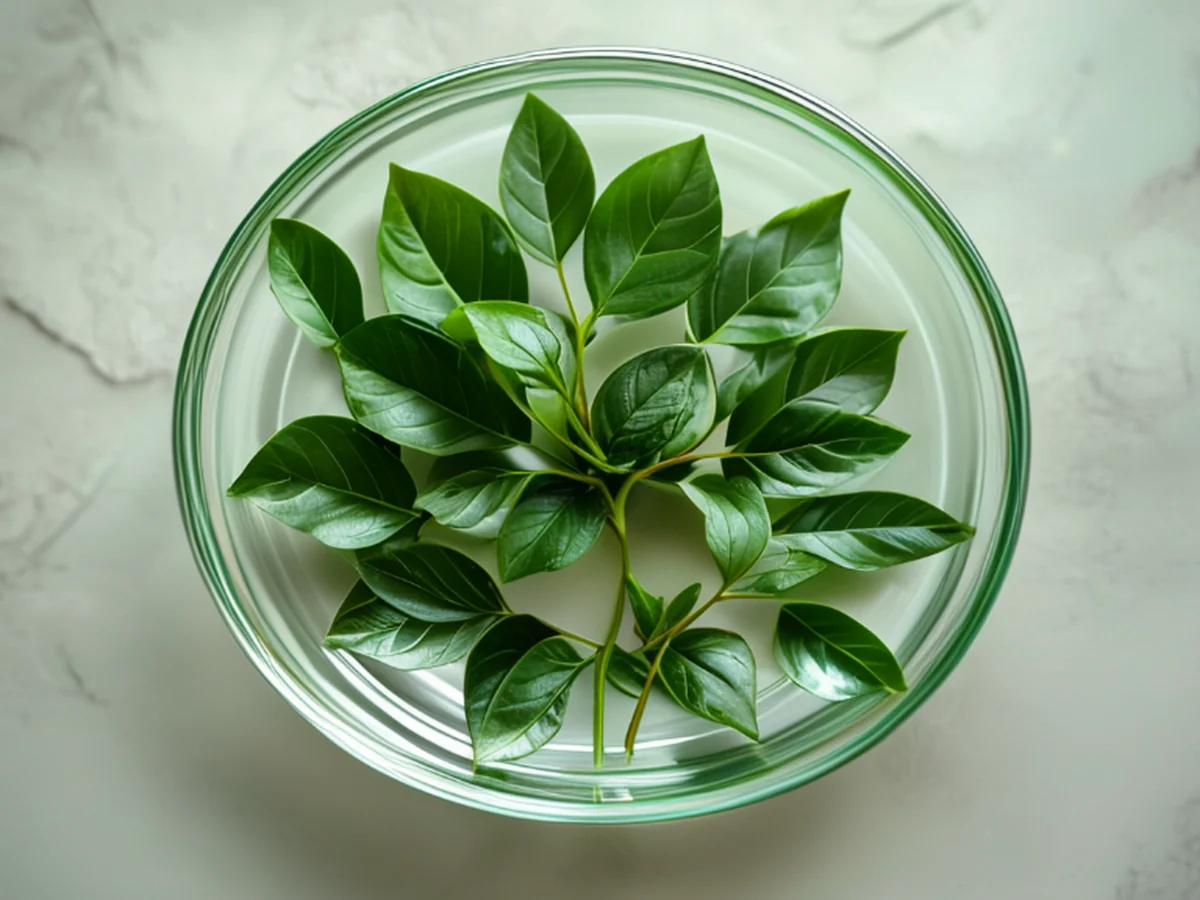
Key takeaways: * High plant density can cover more than 80% of the aquarium floor. * Selection should account for substrate visibility and ecological balance. * Competition and growth rates determine long-term success.
How to achieve full coverage with an Aquatic Plant Selection Guide?
A gardener reaches for a trowel, carefully tucking small sprigs of moss and stem plants into the soft soil of a new setup. To achieve a lush look, the goal is often to mask the hardscape entirely.
According to the United Nations Food and Agriculture Organization, global consumption of aquatic animals in 2022 was 185 million tonnes (live weight equivalent), an increase of 4% from 2020.
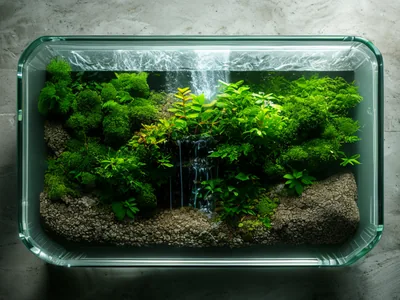
Effective plant choice for tank design often focuses on ground cover and background fillers. In many professional setups, more than 80% of the aquarium floor is covered with plants, leaving little or no substrate visible.
This dense coverage helps stabilize the environment by utilizing nutrients directly from the water column and the ground.
A well-planned aquatic plant selection guide ensures that the growth rates of different species do not result in one plant overtaking the entire tank. By mixing slow-growing species with more vigorous ones, the user can maintain a balanced appearance.
This strategy prevents the loss of variety while still achieving the desired density.
- Select a variety of growth habits including stem, rosette, and carpeting plants.
- Layer plants by height to ensure all water columns are utilized.
- Group species with similar light and nutrient requirements together.
What are the criteria for a successful Tank plant criteria?
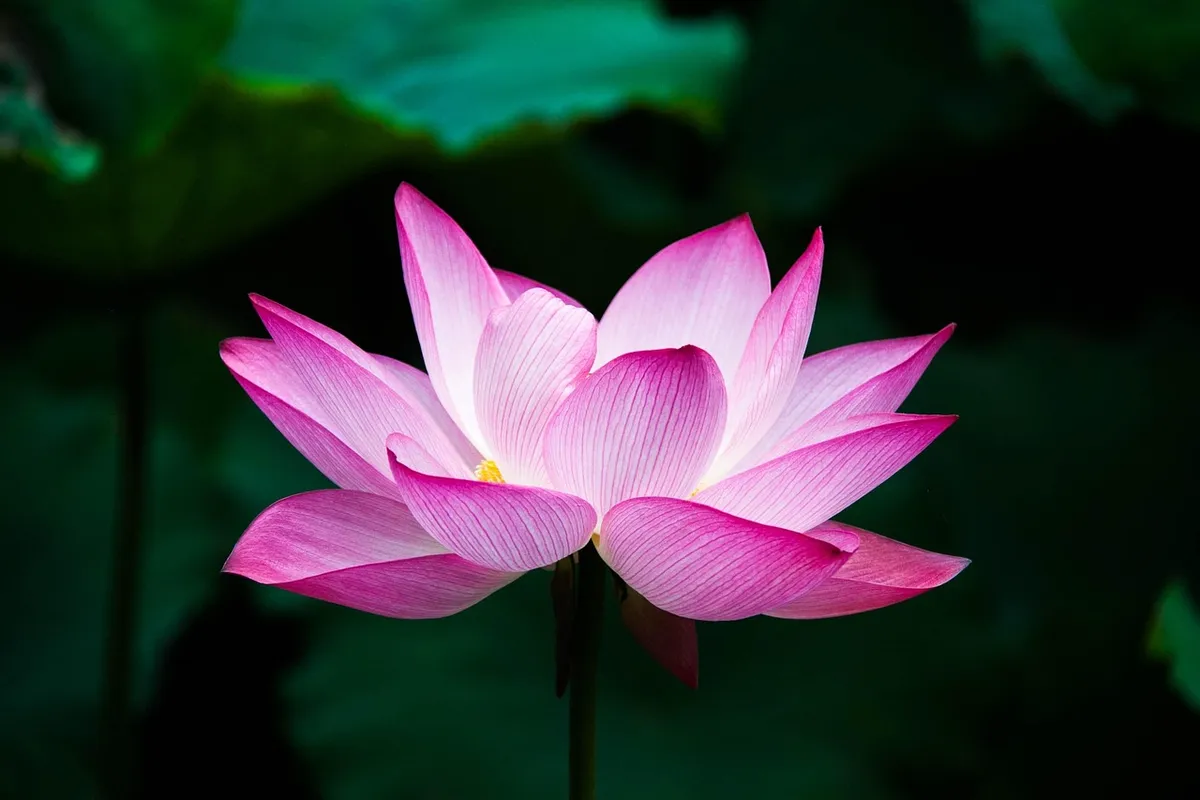
An enthusiast examines a single leaf under a bright light, checking for signs of algae or nutrient deficiency before planting. Selecting plants requires understanding how they will interact with light and the current inhabitants.
Establishing clear tank plant criteria involves assessing light requirements and CO2 availability. Some species thrive in low-light environments, while others require intense illumination to maintain their color and structure.
This distinction is vital for preventing the decay of plants that cannot meet their energy needs.
The relationship between light and growth is a primary factor in any aquascaping project. When choosing plants, one must consider how much light penetrates the different levels of the tank. A successful setup balances these needs so that the canopy does not shade out the foreground.
In this sequence, the second step is the most extensive.
According to Food and Agriculture Organization, the 2032 record includes 205 million.
How does an Aquascape plant match affect the ecosystem?
A hobbyist adjusts the position of a driftwood branch, ensuring it provides a natural anchor for climbing vines. The goal is to create a scene where the hardscape and greenery appear to exist in natural harmony.
Finding an aquascape plant match means selecting species that complement the physical layout of the tank. For example, bushy plants can hide unsightly pipes, while fine-leaved plants can mimic underwater forests. This visual integration is essential for creating a sense of depth and realism.
The interplay between the hardscape and the vegetation defines the character of the aquarium. If the plants are too aggressive, they may hide the unique features of the stones or wood. If they are too sparse, the tank may look unfinished or barren.
How do you manage the Balancing tank life process?
A person carefully prunes a tall stem to prevent it from reaching the surface too quickly. This routine maintenance is necessary to keep the ecosystem from becoming overgrown and oxygen-depleted.
Effective balancing tank life management requires monitoring nutrient levels and growth rates. Rapidly growing plants can act as a natural filter by consuming excess nitrates, but they can also become a nuisance if not managed. Pruning is a regular necessity to keep the ecosystem in check.
Nutrient management is a two-way street between the plants and the water. While plants clean the water, they also require a steady supply of minerals to prevent melting. A balanced approach ensures that the biological load remains stable over time.
What are the advanced techniques for an Advanced tank setup?
A seasoned aquascaper uses specialized tweezers to place delicate mosses into tiny crevices of a miniature stone. This level of detail requires patience and a deep understanding of plant biology.
An advanced tank setup often involves more complex elements like specialized lighting, CO2 injection, and advanced fertilization. These tools allow for the growth of sensitive species that would not survive in a standard setup.
This level of control enables the creation of high-definition underwater landscapes.
Advanced techniques also focus on the long-term stability of the environment. Using specific plant combinations can help manage the nitrogen cycle more effectively. This proactive approach reduces the need for frequent water changes and manual cleaning.
The same subject is also called Water garden plant guide.
This part also covers Plant effect on tank.
Related
- Saltwater tank ecosystem: 75 percent Why monitor temperature
- Marine tank plants: Guide to best 80% ecosystem
How does the greenery of a mature tank contribute to stability?
The greenery of a mature tank contributes to stability by providing a living filter for the water. Plants consume excess nitrates, which are byproducts of the biological processes within the tank. This biological cleansing action helps maintain excellent water quality over time.
Furthermore, the established plant life contributes to the overall aesthetic balance. The visual density achieved by the plants masks imperfections in the substrate or hardscape. This visual harmony is a sign of a successfully integrated ecosystem.
Ultimately, the presence of vigorous plant growth indicates that the nutrient cycling is proceeding as intended. A healthy, thriving plant community signals a well-balanced environment where all components are interacting correctly.

Comments 0