Marine fish breeding impact: How to sustain ocean life
Understanding the complexities of marine life requires a look at how human activity intersects with natural cycles.
This article examines the relationship between fishing practices and ecosystem health, focusing on how harvesting methods influence marine life.
How does industrial scale production affect the marine environment?
At dawn, a massive harvester pulls heavy nets through the cold waves, disturbing the quiet marine balance.
According to a 2019 FAO report, global production of fish, crustaceans, molluscs, and other aquatic animals reached 172.6 million tonnes in 2017, representing a 4.1 percent increase compared to 2016.
This rising volume of production places immense pressure on natural breeding grounds. As extraction grows, the ability of species to replenish their populations becomes a critical concern for marine biologists.
Large-scale operations must balance immediate yields with the biological limits of the ocean to prevent permanent damage to the food web.
What are the consequences of bottom trawling on the seabed? Marine fish breeding impact
At midnight, a heavy net scrapes the dark seabed, sending a violent shudder through the water and suffocating the delicate marine habitat.
A heavy net drags across the ocean floor, stirring up silt and disturbing the delicate structures of the deep. Bottom trawling, the practice of pulling a fishing net along the sea bottom behind trawlers, removes around 5 to 25% of an area's seabed life on a single run.
This mechanical disruption can destroy the very habitats required for successful marine fish breeding. By stripping away the biological complexity of the seafloor, these methods can lead to a loss of essential nursery grounds.
Maintaining the integrity of the seabed is vital for the survival of benthic species and the stability of the entire ecosystem.
How does lost gear impact the marine life cycle?
An abandoned net drifts aimlessly in a current, a silent threat to everything it touches.
According to the Food and Agriculture Organization's 1995 Code of Conduct for Responsible Fisheries, member states should act to minimize the amount of lost and abandoned gear and work to minimize ghost fishing.
Lost equipment often continues to trap and kill marine animals through a process known as ghost fishing. This unintentional mortality affects various stages of the marine fish life cycle, often targeting juvenile fish or breeding adults.
Managing gear loss is a fundamental step in protecting the natural reproductive success of wild populations.
What is the scale of byproduct mortality?
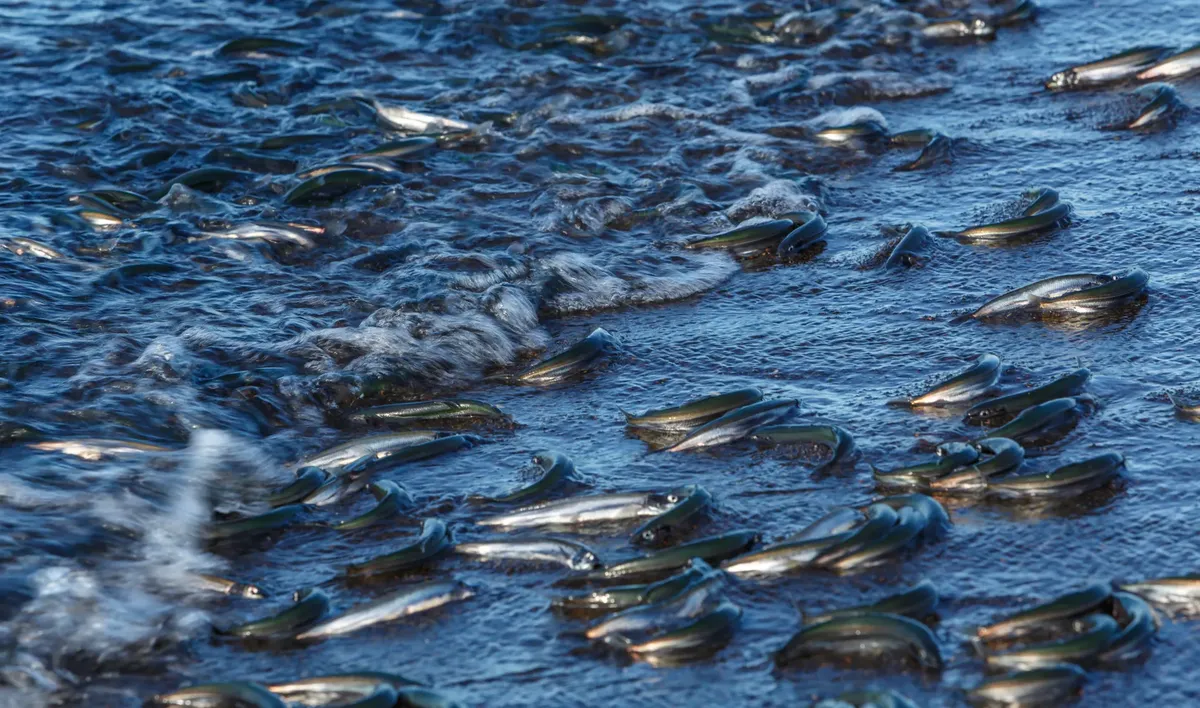
A fisherman pulls a line from the water, only to find a non-target species struggling in the mesh. As many as 40% (63 billion pounds) of fish caught globally every year are discarded, and as many as 650,000 whales, dolphins, and seals are killed every year by fishing vessels.
The FAO report indicates the global production volume.
These high numbers represent a significant loss of biomass that would otherwise contribute to the ecosystem. Such unintended mortality can disrupt the balance of predator-prey relationships.
Addressing these losses is essential for sustainable marine biology breeding and the health of the global ocean.
How do different harvesting methods compare in terms of habitat impact?
A diver carefully gathers oysters by hand, moving slowly through the underwater landscape. Comparing different harvesting techniques reveals how much physical damage is inflicted on marine structures.
| Harvesting Method | Impact on Reef Height |
|---|---|
| Dredging | 34% reduction |
| Tonging | 23% reduction |
In an experiment with three different types of gears used for oyster harvesting, compared to dredging and tonging, hand-harvesting by divers resulted in the collection of 25-32% more oysters within the same amount of time.
I noted that the physical impact of the tools used directly correlates to the degree of habitat destruction. Specifically, dredging cut the height of the reef by 34%, tonging by 23%, and diver hand-harvesting by only 6%.
How can we prevent fishery collapse?
A scientist examines data on a screen, looking at the trends of declining fish stocks. To maintain a healthy environment, management must move toward an ecosystem-based approach.
- Implement science-based quotas to prevent overfishing of breeding stocks. 2. Minimize the use of destructive gear that destroys benthic habitats. 3. Monitor the health of unassessed fisheries, which are thought to represent about 80% of all fisheries.
A final check of these steps ensures that human intervention does not exceed the environment's ability to recover. Without effective management, the risk of total fishery collapse remains a looming threat to global food security.
Wikipedia: Environmental impact of fishing (full) Based on the retained excerpt mentioning FAO: According to a 2019 FAO report, global production of fish, crustaceans, molluscs and other aquatic animals has continued to grow and reached 172.6 million tonnes in 2017, with an increase of 4.1 percent compared with 2016.
Wikipedia: Environmental impact of fishing (full) Based on the retained excerpt mentioning FAO: According to a 2019 FAO report, global production of fish, crustaceans, molluscs and other aquatic animals has continued to grow and reached 172.6 million tonnes in 2017, with an increase of 4.1 percent compared with 2016.
- The global scale of marine resource extraction poses significant questions regarding the long-term stability of aquatic environments.
- Key takeaways include the impact of gear on seabed habitats, the consequences of byproduct mortality, and the necessity of responsible management to prevent fishery collapse.
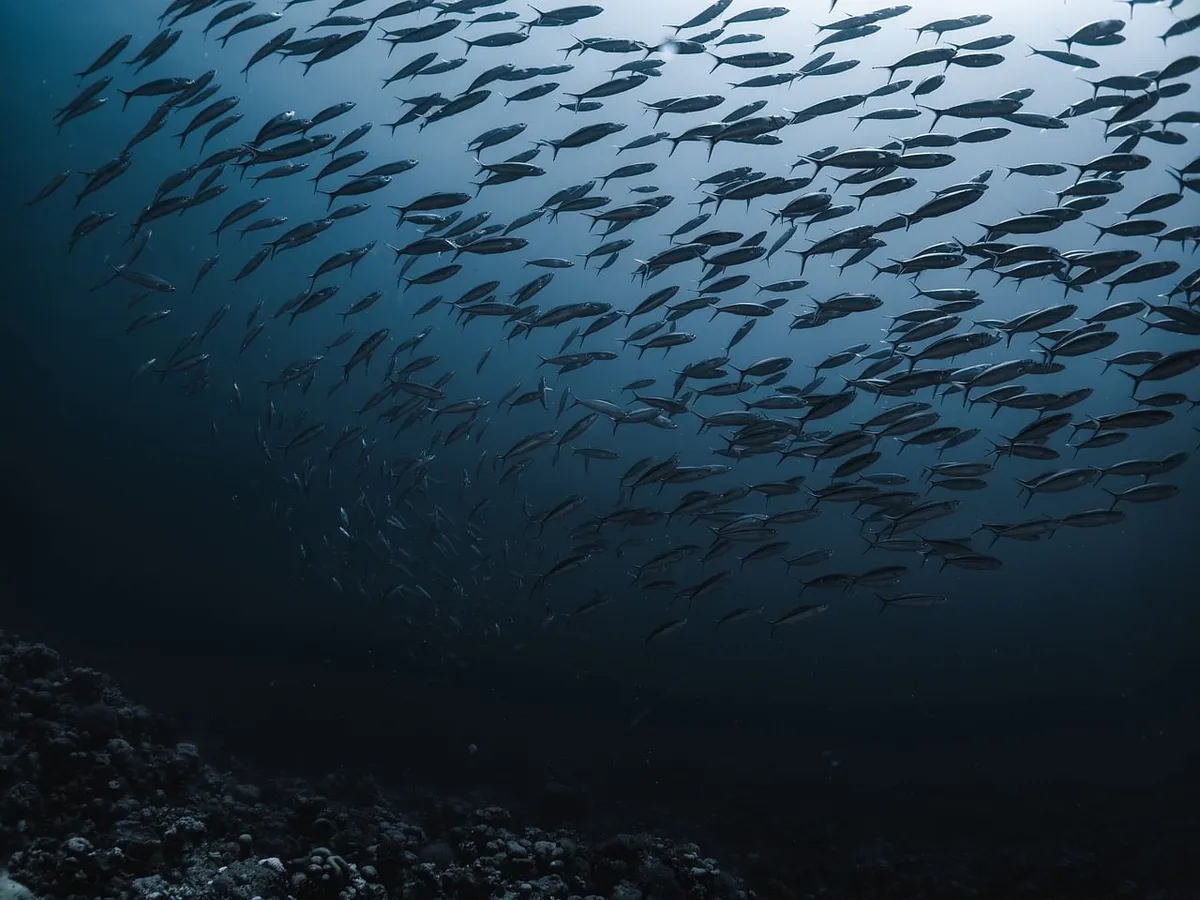
- A massive fishing vessel glides through deep blue waters, its nets ready to harvest the sea.
The subject here is Marine fish breeding impact.
The same subject is also called Saltwater fish reproduction.
The same subject is also called Ecosystem effect breeding.
The same subject is also called Breeding environment study.
This part also covers Coral reef breeding care.
Related
- Snakehead control guide: Risks of invasive species in oceans
- Marine fish breeding impact: Algae produce 50% oxygen guide
What are the implications of different gear types?
The choice of fishing apparatus dictates the degree of physical stress applied to the marine environment. Different gear types exert varying levels of pressure on the seafloor community structure. Understanding these complexities is crucial for mitigating environmental harm.
- Gear selection influences the extent of benthic disturbance. 2. The type of gear employed correlates with the scale of habitat alteration. 3. Careful consideration of gear choice aids in minimizing overall ecological footprint.
How do these pressures relate to the broader ecosystem?
The pressures exerted by harvesting activities cascade throughout the marine food web. The health of the entire system depends on the sustainability of the extraction methods. Understanding these complexities allows for targeted interventions.
- Over-extraction strains the natural replenishment capacity of marine populations. 2. Unmanaged byproducts introduce secondary stressors into the environment. 3. Balancing immediate yield against long-term ecological viability is paramount.
FAQ
How much seafood is produced through aquaculture?
What is the projected status of global fisheries?
Related posts
Snakehead control guide: Risks of invasive species in oceans
Marine fish breeding impact: Algae produce 50% oxygen guide
Marine fish reproduction impact: Why protect spawn ecosystem

Comments 0