Saltwater tank ecosystem: 75 percent Why monitor temperature
"Coastal habitats are among the world's most endangered ecosystems, with an estimated habitat loss greater than 50 percent."
Maintaining a saltwater tank ecosystem requires a delicate balance between biological productivity and environmental stability. This guide covers the fundamentals of managing marine-derived nutrients, understanding the scale of productivity, and addressing habitat loss risks.
You will learn how to manage nutrient cycles, identify the importance of coastal-style productivity, and recognize the limitations of artificial environments compared to natural systems.
How can we replicate a productive saltwater tank ecosystem?
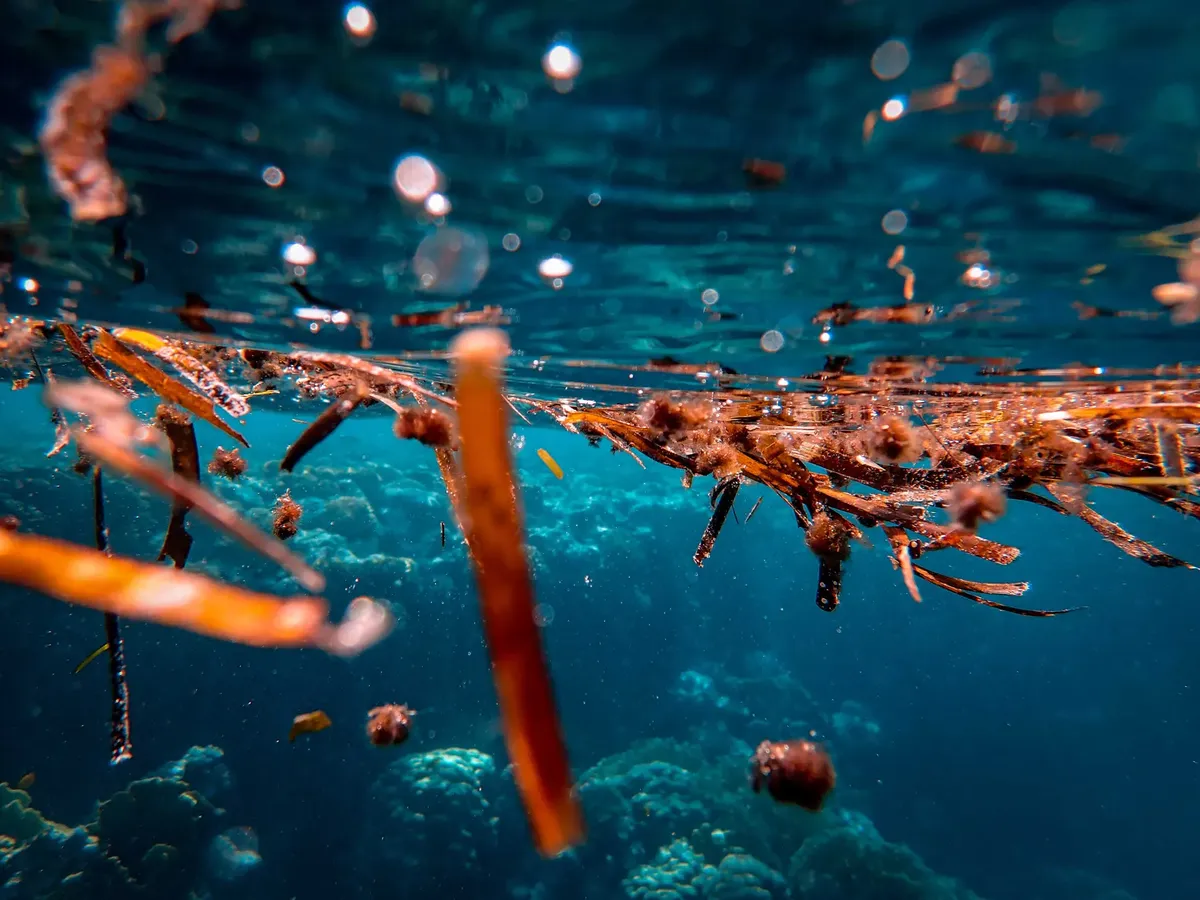
At dawn, I dip my hand into the cool saltwater to stir the sand, feeling the grit against my skin.
A person reaches into a saltwater tank to adjust a filter, mindful of the complex life within. To replicate a healthy saltwater tank ecosystem, one must understand that natural coastal habitats are extremely productive, providing essential services for more than 75 percent of fishery species.
In a managed environment, mimicking this high level of biological activity is key to stability.
Natural systems demonstrate how nutrients concentrate, such as how seabirds deposit guano containing 15–20% nitrogen and 10% phosphorus on breeding islands. In a tank, managing these nitrogen and phosphorus levels is vital to prevent sudden shifts.
Maintaining a stable nutrient cycle prevents the collapse of the delicate biological balance required for sensitive species.
What is the scale of a saltwater tank ecosystem?
A hobbyist stands before a large glass pane, observing the rhythmic movement of water and light.
Understanding the scale of a saltwater tank ecosystem involves recognizing that natural coastal habitats occupy about 8 percent of the total ocean area and account for about half of all ocean productivity.
While a tank is much smaller, the biological density often mimics these high-productivity zones.
A marine coastal ecosystem provides life-sustaining services through complex interactions. The saltwater tank ecosystem relies on similar principles of nutrient cycling and biological diversity to remain stable.
Managing these variables ensures that the miniature environment remains healthy and productive over time.
How do we manage a saltwater tank ecosystem against temperature changes?
An operator checks the digital thermometer, noting a slight rise in the water temperature. Managing a saltwater tank ecosystem requires constant monitoring because a continuous increase in water temperature, ranging from 0.1 to 0.2 °C per decade, has been documented in natural environments.
Small fluctuations in a tank can cause significant stress to sensitive inhabitants.
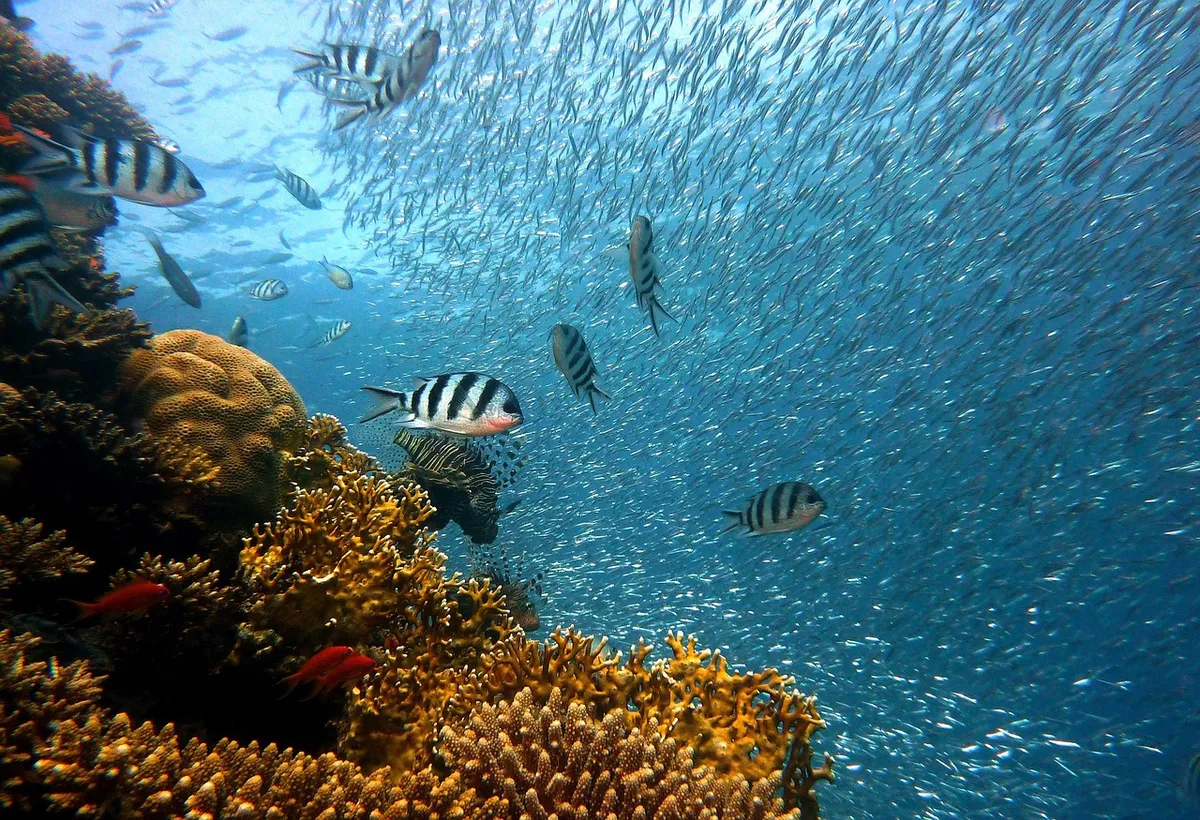
Temperature stability is a primary pillar of tank environment control. Sudden shifts can disrupt the biological processes that mimic a natural marine coastal ecosystem.
Consistent monitoring and high-quality heating or cooling equipment are necessary to prevent the rapid changes that lead to ecosystem collapse.
What are the risks of habitat loss in a saltwater tank ecosystem?
A collector examines a patch of dying coral, noting the lack of space for new growth. In nature, coastal plant communities face significant threats, with an estimated habitat loss greater than 50 percent making them among the world's most endangered ecosystems.
In a closed system, space and habitat fragmentation represent the primary risks to stability.
When managing a saltwater tank ecosystem, one must account for the limited space available.
Much like how 10% of the Great Barrier Reef coastline was replaced by urban infrastructure, causing massive loss and fragmentation of sensitive coastal ecosystems, an overcrowded tank can lead to habitat degradation. Preventing this requires careful planning of the physical environment.
How to establish a stable saltwater tank ecosystem
A technician carefully places a new specimen into a prepared tank, ensuring the biological balance is maintained. To establish a stable saltwater tank ecosystem, follow these steps:
- Introduce biological components slowly to allow for natural nutrient cycling. 2. Monitor nitrogen and phosphorus levels to prevent toxic spikes. 3. Maintain consistent water temperature and salinity to mirror stable natural conditions.
After these steps, perform a final check of the water chemistry to ensure the environment is suitable for all inhabitants. I have found that slow acclimation is the most effective way to prevent sudden biological crashes.
| Metric | Natural Coastal Scale | Managed Tank Scale |
|---|---|---|
| Productivity | Half of all ocean productivity | High-density biological activity |
| Area Coverage | 8 percent of total ocean area | Limited physical footprint |
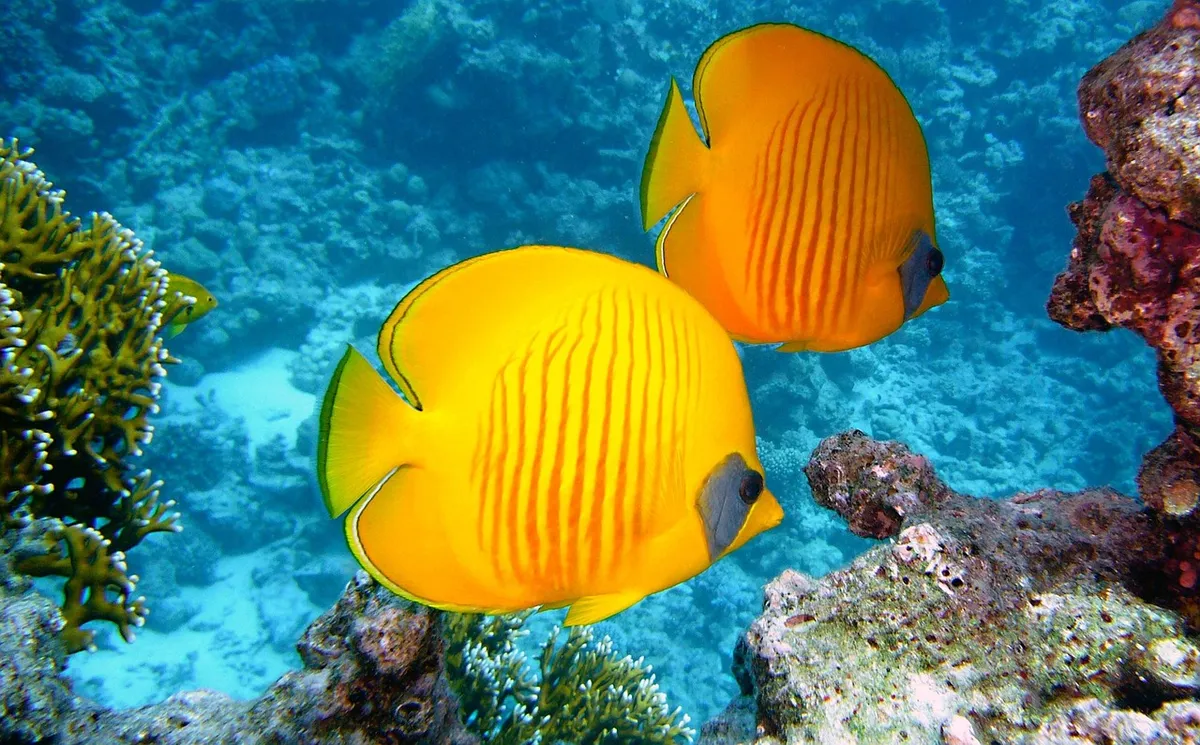
A limitation of this approach is that a tank cannot fully replicate the vastness of natural habitats, where coastal habitats extend to the margins of the continental shelves, occupying about 7 percent of the ocean surface area.
- How can we replicate a productive saltwater tank ecosystem?
- What is the scale of a saltwater tank ecosystem?
- How do we manage a saltwater tank ecosystem against temperature changes?
The same subject is also called Marine aquarium balance.
The same subject is also called Saltwater plant choice.
The same subject is also called Fish tank ecology.
This part also covers Coral tank planting guide.
This part also covers Algae control in marine.
This part also covers Advanced saltwater setup.
Coral tank planting guide
Related
- Marine tank plants: Guide to best 80% ecosystem
- How to manage saltwater plant compatibility in a home setup?
Are there differences between natural and artificial coastal habitats?
The primary difference lies in the scale and complexity of the natural coastal habitats compared to the controlled environment of a tank. Natural coastal habitats possess the capacity for sustained, high-level biological interactions that are difficult to perfectly reproduce in a contained system.
While a tank attempts to mimic these conditions, the sheer volume and dynamic range of a natural coastal habitat far exceed what any artificial setup can realistically provide. The tank environment, though carefully balanced, remains a miniature representation of the vast ocean.
What are the limitations of a controlled tank environment?
A limitation of the tank approach is that it cannot fully replicate the sheer scale of natural habitats, which extend across immense ocean expanses. The artificial environment, despite its successful mimicry of biological processes, is inherently bounded by its physical container.
This constraint means that while the tank successfully sustains life, it cannot replicate the full range of environmental variables present in the natural coastal setting. The tank represents a highly successful, but ultimately finite, microcosm.
Wikipedia: Fisheries management Based on the retained excerpt mentioning Management National Marine Fisheries Service: Report to Congress (2009): The State of Science to Support an Ecosystem Approach to Regional Fishery Management National Marine Fisheries Service, NOAA Technical Memorandum NMFS-F/SPO-96.

Comments 0