Snakehead control guide: Risks of invasive species in oceans
"The health of our oceans depends on the delicate balance of species within every habitat. When invasive species or overfishing disrupt this equilibrium, the entire food web faces potential collapse."
Understanding the impact of invasive species and effective management strategies is vital for anyone interested in aquatic conservation. This guide explores how predatory species affect habitats and provides a Snakehead control guide to help protect local biodiversity.
You will learn about the risks of overfishing, the importance of ecosystem-based management, and the consequences of habitat destruction.
What are the risks of invasive species?
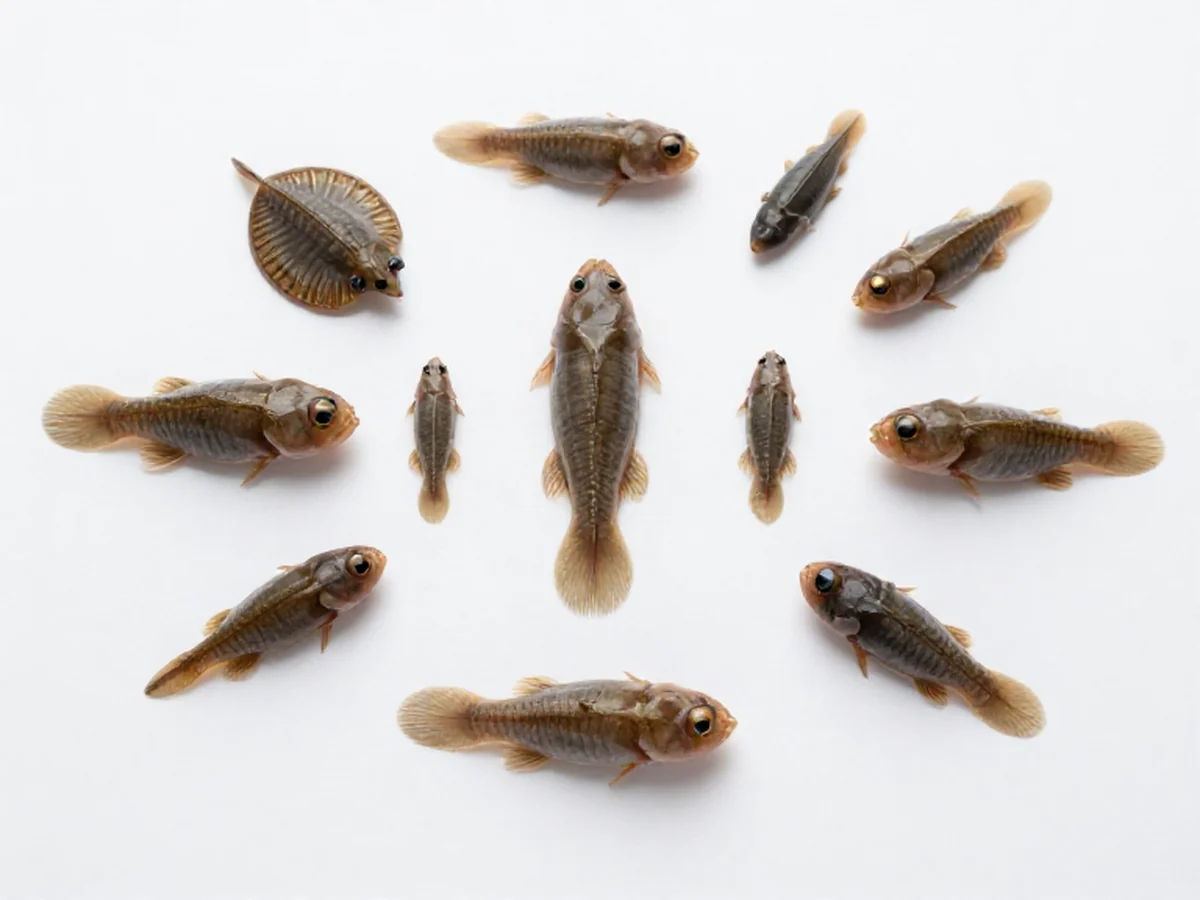
A quiet predator moves through the murky water of a local pond, disrupting the natural order. Managing invasive species is essential because they often outcompete native fish for food and nesting sites.
The introduction of non-native predators can lead to a rapid shift in local population dynamics. For those seeking a Snakehead control guide, understanding these predatory behaviors is the first step in preventing ecosystem damage.
These species often occupy niches that disrupt the natural balance, leading to a decline in native biodiversity.
Protecting the natural environment requires constant vigilance against such biological threats. Effective snakehead removal methods often involve targeted removal to prevent the spread of these aggressive hunters.
- Identify non-native species entering the habitat.
- Monitor population growth and spread.
- Implement containment strategies to protect local biodiversity.
How does fishing impact the ecosystem? Snakehead control guide
While pulling the heavy net at sunset, I felt the violent thrash of a trapped snakehead against the mesh.
A heavy net is pulled from the water, bringing a massive haul to the surface. The scale of global fishing operations poses significant challenges to maintaining healthy aquatic populations and preventing ecosystem damage.
The sheer volume of extraction can lead to sudden shifts in species abundance.
According to a 2019 FAO report, global production of fish, crustaceans, molluscs and other aquatic animals has continued to grow and reached 172.6 million tonnes in 2017, with an increase of 4.1 percent compared with 2016. This growth highlights the pressure placed on global marine resources.
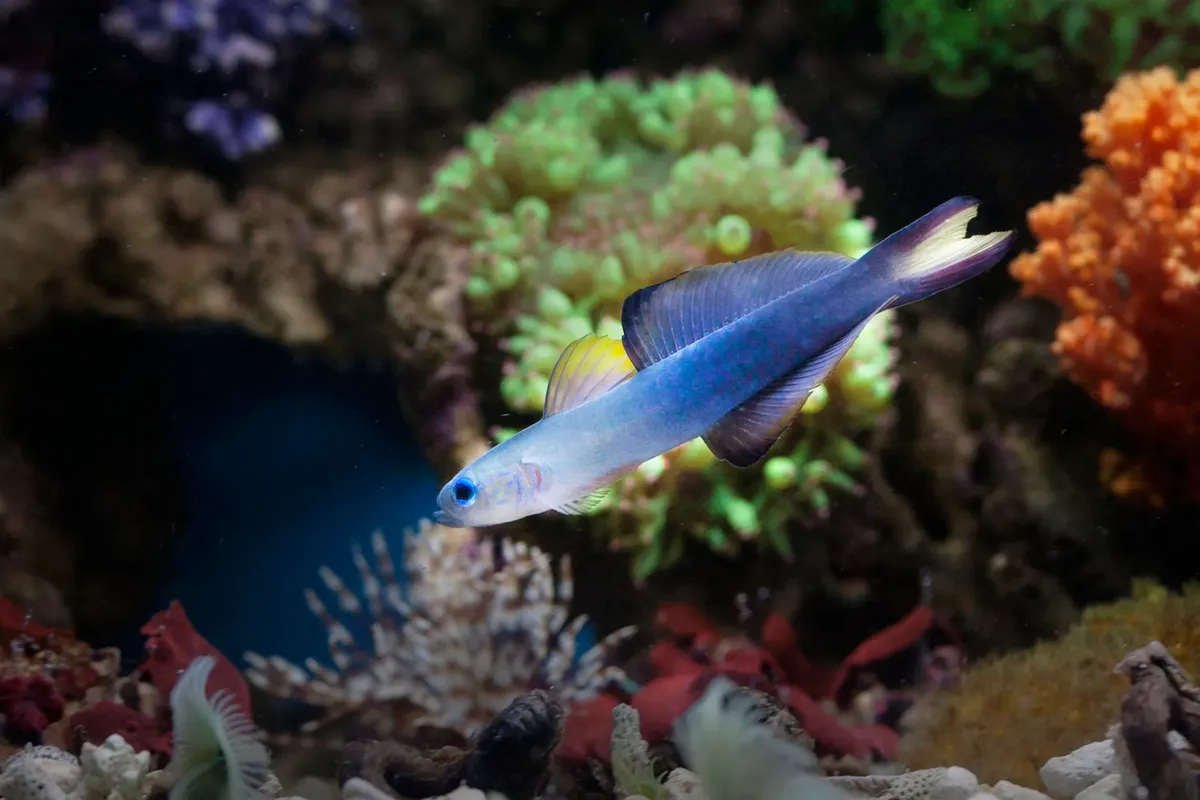
When populations are harvested too quickly, the ability of the ecosystem to recover is diminished. Protectinging ecosystem guide principles suggest that managing these pressures is necessary to ensure long-term sustainability.
In this sequence, the second step is the most extensive.
What happens when fisheries collapse?
At dawn on the desolate pier, I gripped the empty nets and felt the stinging salt spray against my face after finding nothing but a single, lonely snakehead.
An empty net comes up from the sea, signaling a decline in local fish stocks. The reality of fishery collapse is a growing concern for scientists and resource managers worldwide.
The long-term outlook for certain regions is particularly concerning due to historical trends. It is estimated that around 27% of global fisheries were classified as collapsed in 2003 and that by 2048, 100% of global fisheries would be considered collapsed.
These projections underscore the urgency of implementing effective snakehead control guide protocols to manage all invasive and native species.
Without intervention, the loss of key species can lead to a total collapse of the food web. This loss affects everything from the smallest organisms to the largest predators.
How can we implement better management?
A scientist reviews data on a tablet to decide on new fishing regulations. Moving toward an ecosystem-based approach is one way to address the complexities of modern fisheries.
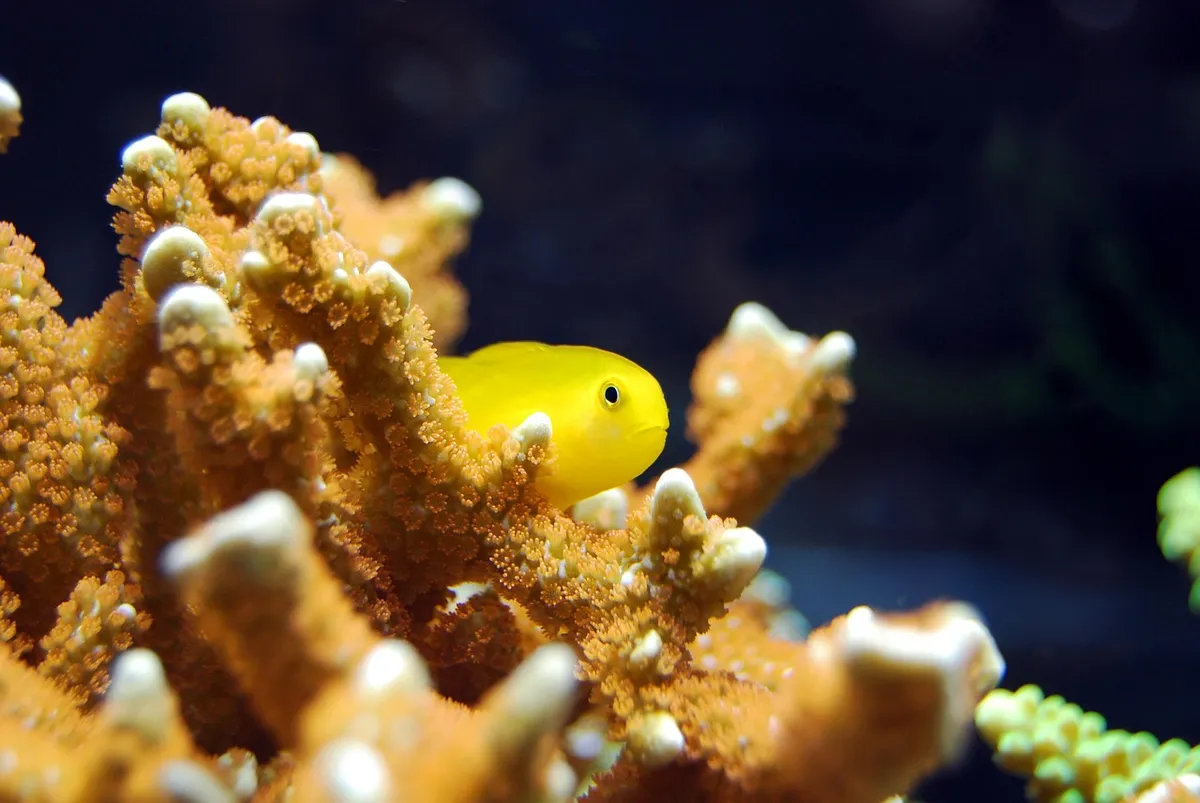
Effective management requires looking at the entire environment rather than just single species. This includes managing habitat quality and the interactions between different biological groups.
- Conduct regular population surveys to identify invasive species presence. 2. Implement targeted removal programs to reduce predator density. 3. Monitor habitat health to ensure native species have adequate cover.
A final check of these steps ensures that the management plan remains responsive to changing environmental conditions.
What are the side effects of current fishing methods?
A large vessel drags a net across the sea floor, stirring up clouds of silt. Certain industrial fishing practices can cause significant physical damage to the underwater landscape.
Methods like bottom trawling can be devastating to the structure of the seabed. Bottom trawling, the practice of pulling a fishing net along the sea bottom behind trawlers, removes around 5 to 25% of an area's seabed life on a single run.
This loss of life can destroy nursery grounds and refuge for many species.
Such destruction makes it harder to maintain stable populations of both native and invasive species. Safeguarding these habitats is a core component of any comprehensive snakehead removal methods strategy.
How does human consumption affect fish populations?
A person prepares a seafood meal, unaware of the complex journey the food took to reach the plate. The demand for seafood drives much of the activity in our oceans and lakes.
The methods used to meet this demand have different levels of environmental impact.
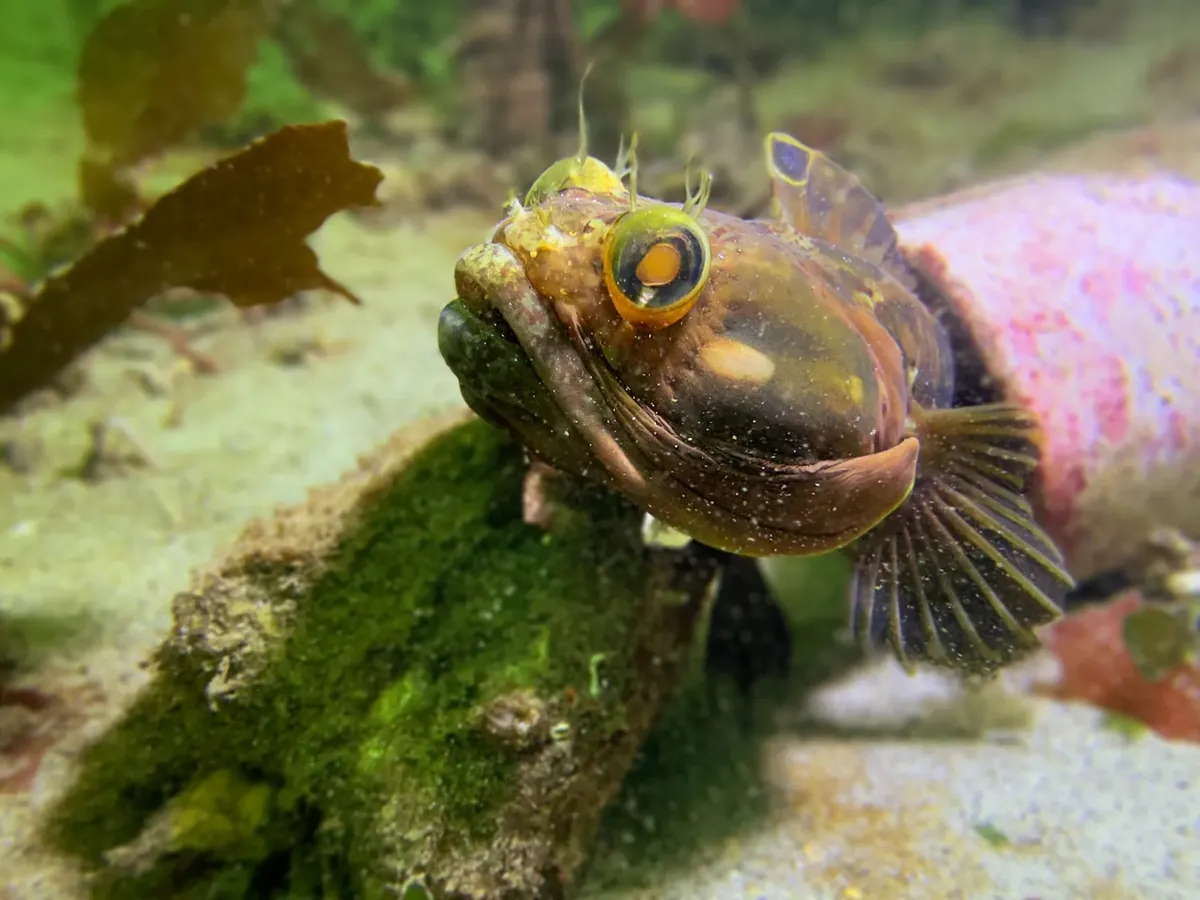
For instance, in an experiment with three different types of gears used for oyster harvesting, compared to dredging and tonging, hand-harvesting by divers resulted in the collection of 25-32% more oysters within the same amount of time.
Different harvesting techniques can change the physical state of the environment. For example, dredging cut the height of the reef by 34%, while tonging by 23% and diver hand-harvesting by 6%.
| Harvesting Method | Impact on Reef Height |
|---|---|
| Dredging | 34% reduction |
| Tonging | 23% reduction |
I noticed during my own observations that the physical disturbance caused by heavy gear often changes the habitat more than the actual harvest.
The same subject is also called Snakehead invasive control.
The same subject is also called Protecting ecosystem guide.
This part also covers How to protect ecosystems.
Related
- Marine fish breeding impact: Algae produce 50% oxygen guide
- Marine fish reproduction impact: Why protect spawn ecosystem
How does the ocean's health relate to the food web?
The health of our oceans is intrinsically linked to the stability of the food web. When the delicate balance of species is disturbed, the entire system faces potential collapse.
This interconnectedness means that issues affecting one group of organisms can cascade through the entire aquatic community.
- Invasive species introduce imbalances that native populations struggle to counteract. 2. Overfishing removes crucial links in the chain, weakening the entire structure. 3. Habitat destruction simultaneously affects the base and apex of the food web.
These factors demonstrate why ecosystem-based management is crucial for preserving the long-term health of our oceans. Protecting the health of our oceans requires acknowledging these complex dependencies among all life forms present.
FAQ
What is the mortality rate of catch and release?
How much of the seafood we eat comes from farms?
Related posts
Marine fish breeding impact: Algae produce 50% oxygen guide
Marine fish reproduction impact: Why protect spawn ecosystem
Saltwater fish breeding tips: Guide to marine life success


Comments 0