Saltwater fish diet guide: Mimic natural feeding habits
Managing a saltwater aquarium requires careful attention to nutritional needs and social dynamics. This guide provides a Saltwater fish diet guide to help hobbyists select appropriate foods and navigate tank compatibility. Key takeaways include understanding dietary diversity, managing species interactions, and observing biological requirements.
How to approach a Saltwater fish diet guide?
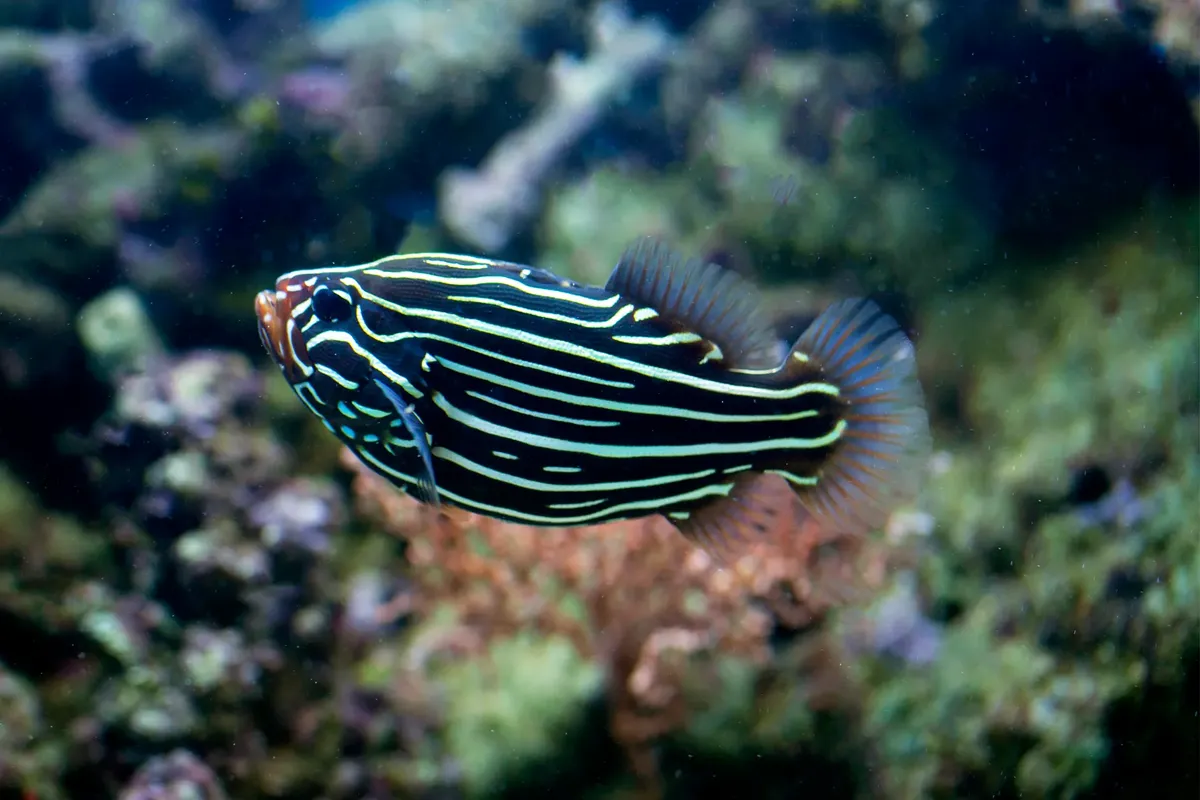
A hobbyist stands before a glass tank, watching colorful fins dart through moving water. Selecting the right food is the first step in maintaining a healthy ecosystem.
According to the Food and Agriculture Organization of the United Nations, there is currently "no clear and generally accepted definitions of fisheries management".
A proper Saltwater fish diet guide focuses on mimicking natural feeding habits to prevent malnutrition. Most species require a variety of protein sources to thrive in a controlled environment.
Diversifying food types helps prevent deficiency. For instance, frozen mysis shrimp or specialized pellets can serve different metabolic needs.
How do I feed my saltwater fish?
In the dim kitchen, I reach for the frozen shrimp while thinking about how to feed my saltwater fish. A hand reaches for a container of dried seaweed while another prepares frozen brine shrimp. Saltwater fish feeding must be tailored to the specific feeding habits of each resident.
Effective Saltwater fish feeding involves recognizing whether a fish is a grazer, a carnivore, or an omnivore. Providing only one type of food can lead to health issues or aggression.
Some fish spend their day scavenging for algae, while others hunt smaller organisms. Balancing these needs requires a mix of frozen, dried, and live foods.
A Fish compatibility guide is necessary when introducing new inhabitants to an existing tank. Understanding how different species interact prevents territorial disputes.
How do I know if my fish will get along? An aquarist watches as a larger fish swims near a smaller, brightly colored companion. Using a Fish compatibility guide helps prevent loss due to aggression or predatory behavior.
Successful tank inhabitants must share similar environmental requirements, such as temperature and salinity. They should also have compatible temperaments to avoid constant stress.
Aggressive species can dominate a tank, making it difficult for peaceful fish to find food. This imbalance often leads to the disappearance of smaller individuals.
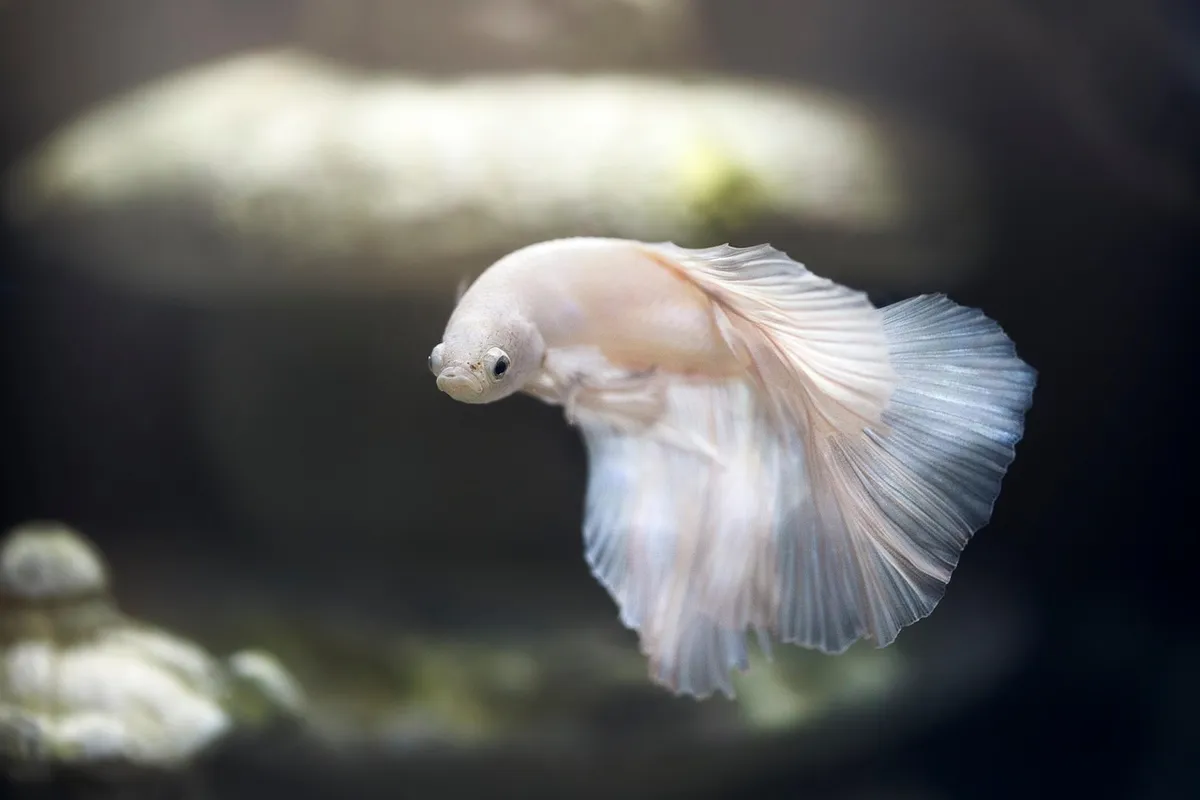
A Saltwater tank setup must accommodate the physical size and swimming space of all residents. Crowded environments increase stress and the spread of disease.
Managing a Saltwater tank setup
The sound of a bubbling protein skimmer fills the room as the light reflects off the water surface. A proper Saltwater tank setup requires careful planning of filtration and space.
A well-planned environment provides enough surface area for beneficial bacteria to grow. It also offers hiding spots to reduce territorial tension among different species.
Properly sized tanks allow for better water stability. Small volumes can fluctuate rapidly, making it harder to maintain the specific conditions required for saltwater life.
How to handle Fish keeping tips for beginners?
A beginner carefully dips a net into the water, checking the health of a new addition. Applying Fish keeping tips can save both time and money when starting a hobby.
The most effective Fish keeping tips involve consistency in water testing and feeding schedules. Observation is the most powerful tool for any keeper.
Regularly checking water parameters ensures that the environment remains stable. Sudden changes can be fatal to sensitive species.
One should always research a fish's adult size before purchase. A fish that fits in a small tank today may outgrow it in months.
Applying management principles to aquarium life
A person reviews a notebook filled with water test results and feeding logs. Applying management principles to a home aquarium mirrors the structured approach used in professional fisheries.
When managing a biological system, one must consider the following steps:
- Research the specific dietary needs and temperament of each intended species. 2. Establish a stable environment with appropriate filtration and space. 3. Monitor feeding habits and social interactions daily to catch issues early.
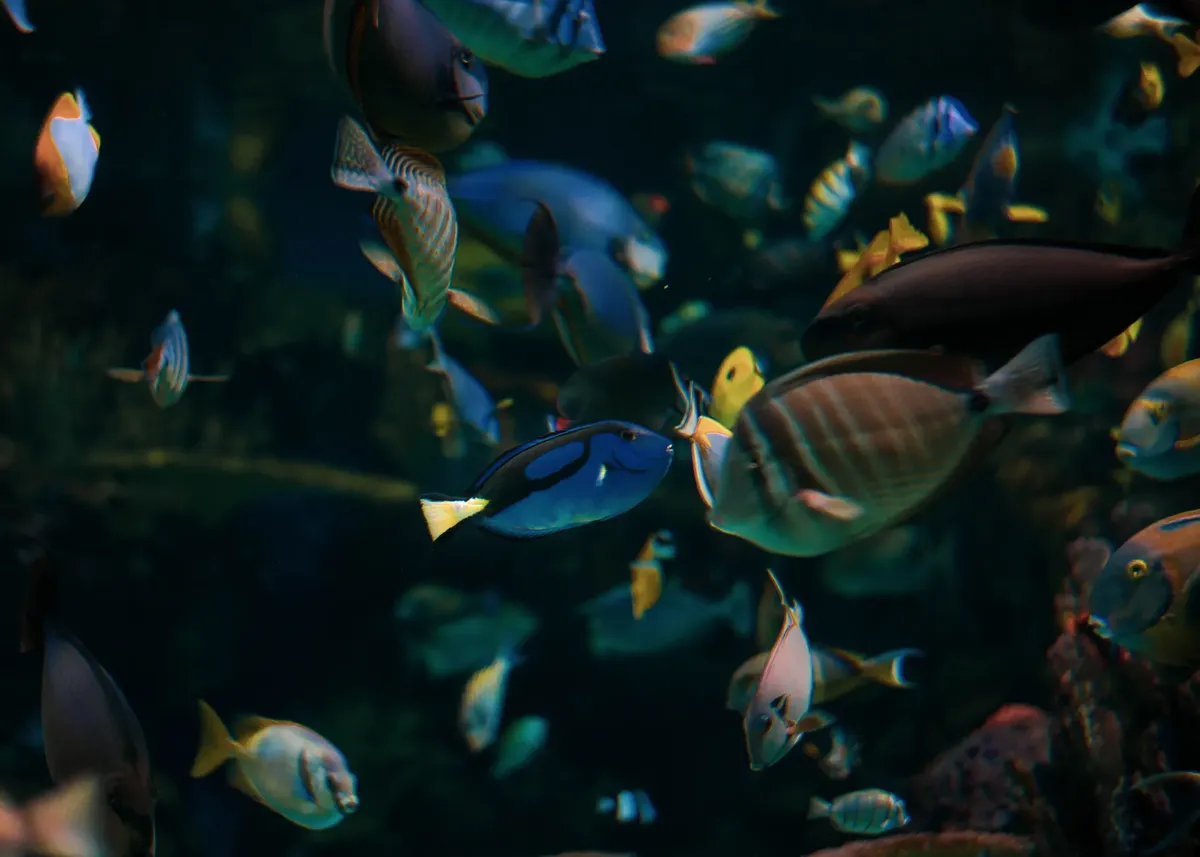
I once spent an entire afternoon observing how a new grazer interacted with my existing residents to ensure the environment was stable. It is vital to check that the feeding schedule does not lead to dominance by a single species.
A limitation of these guidelines is that individual fish behavior can vary significantly even among the same species, meaning general rules may not apply to every unique specimen.
- How to approach a Saltwater fish diet guide?
- How do I feed my saltwater fish?
- How do I know if my fish will get along?
This part also covers Tank compatibility rules.
This part also covers Preventing fish loss.
Feeding saltwater fish
Related


Comments 0