How do I start a beginner fish stocking guide?
"A peaceful aquarium requires more than just water and light; it demands a deep understanding of how different species interact within a shared space."
This beginner fish stocking guide provides the essential rules for selecting compatible tank mates to prevent aggression and ensure a stable ecosystem.
You should focus on matching temperaments and size, avoid mixing highly territorial predators with delicate species, and monitor social hierarchies closely. One limitation is that success depends heavily on the specific environment and individual fish behavior.
How do I start a beginner fish stocking guide?
At dawn, a hand dips into the cool water to settle a floating plant near the first fish.
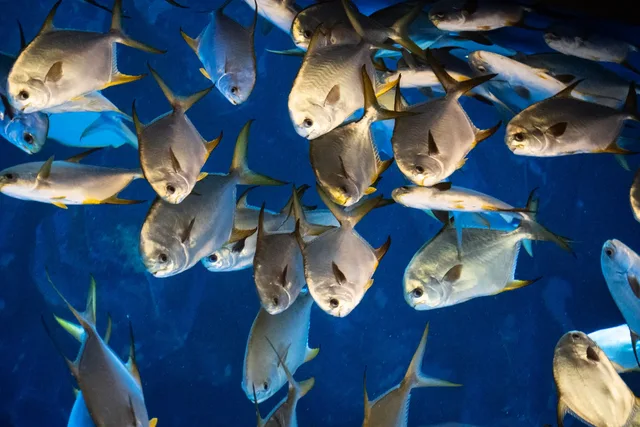
A hand reaches into a clear container to adjust a floating plant, checking the water surface for any signs of agitation. Establishing a successful aquarium begins with understanding the biological needs and social behaviors of your chosen inhabitants.
According to The Food and Agriculture Organization, "in 2017, 34 percent of the fish stocks of the world's marine fisheries were classified as overfished".
This beginner fish stocking guide emphasizes that compatibility is not just about size, but also about activity levels and territorial tendencies.
When selecting species, you must consider how they occupy different zones of the tank. Some fish prefer the bottom, while others patrol the middle or surface. Using aquarium stocking advice, you can layer your inhabitants to reduce direct competition for space.
This helps prevent the constant friction that leads to fin nipping or chasing.
Providing enough hiding spots is a fundamental part of easy fish combo tips. If one fish is more dominant, plants and driftwood offer a sanctuary for more timid residents. Without these physical barriers, the more aggressive individuals may claim the entire volume of the tank as their own territory.
I find that the second step is the most time-consuming.
How can I pair my fish species correctly?
A small net moves through the water, carefully transferring a colorful resident into a new, decorated environment. Finding the best fish species pairing involves looking at the natural habitats and temperaments of the animals.
You want to group fish that share similar water parameters and social structures to maintain a calm atmosphere.
For example, some species are naturally more peaceful when living alongside smaller invertebrates. In one specific observation, @kimfrye8371 has a 5G tank with cherry shrimp, which the betta leaves alone.
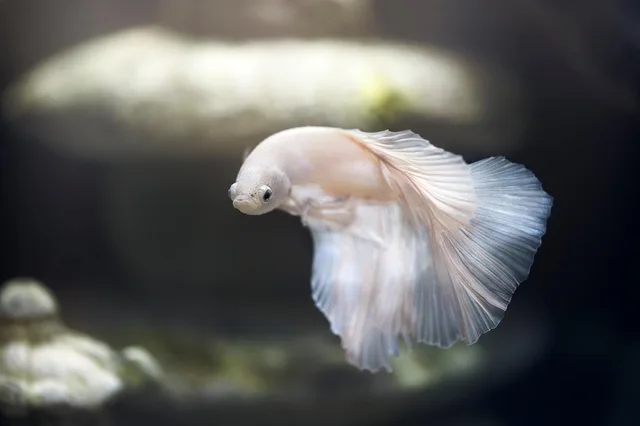
This demonstrates that even traditionally territorial fish can coexist with much smaller creatures under the right conditions.
Always research the specific needs of your teleosts, which make up 96% of all living fish species today. Because these ray-finned fish have diverse behaviors, a one-size-fits-all approach to pairing will fail. Matching the social needs of these bony fishes is the key to a thriving community.
- Research the natural habitats of each species.
- Check the compatible temperature ranges.
- Verify the social behaviors of the fish.
According to The Food and Agriculture Organization, the 2017 record includes 34%.
How can I use safe fish mix rules?
The aquarium light flickers on, revealing a group of fish swimming in synchronized patterns across the glass. Implementing safe fish mix rules requires a disciplined approach to adding new members to an established colony.
You cannot simply drop various species into a tank and expect harmony without careful observation.
To implement these rules effectively, follow these steps:
- Introduce the most timid or smallest fish first to allow them to claim territories while the tank is relatively empty. 2. Add larger or more dominant species only after the initial inhabitants have settled into their routines. 3. Monitor the tank for several days after every addition to check for signs of chasing or stress.
I once watched a new resident approach a group of established swimmers, and by observing the subtle movements of their fins, I could tell if the introduction was successful. A final check involves ensuring that no single fish is being cornered or excluded from feeding areas.
How can I stop my fish from being aggressive?
A finger taps lightly on the glass as a sudden burst of movement occurs near a decorative rock. Effective preventing fish aggression strategies involve managing the environment to reduce stress and competition.
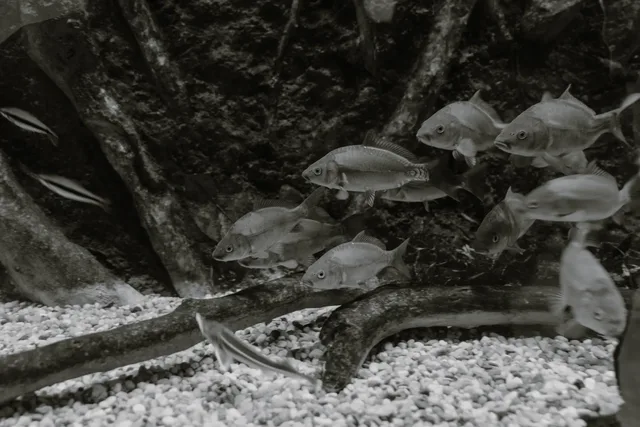
When fish feel crowded or lack resources, their natural instinct is to defend their space through physical confrontation.
One method to mitigate conflict is to increase the available surface area through vertical decorations. If you notice a fish struggling with its buoyancy, you might be dealing with a health issue rather than social strife.
To treat swim bladder disease, it's advised to first fast the fish for 24–48 hours, followed by feeding them a diet of cooked, skinned peas, which can help alleviate constipation.
Maintaining stable water quality also plays a role in behavioral stability. Fluctuating parameters can make fish irritable and more prone to aggressive outbursts. Keeping the environment consistent helps ensure that social interactions remain within normal, non-combative bounds.
Can I use aquarium stocking advice for different water types?
A thermometer is lowered into the water, measuring the warmth of a tropical setup. Effective aquarium stocking advice must account for the specific chemical and thermal requirements of the species involved. A fish that is comfortable in one setting may become stressed and aggressive in another.
| Species Requirement | Ideal Condition |
|---|---|
| Angelfish Temperature | 80 °F (27 °C) |
| Angelfish pH | <6.5pH |
Angelfish are kept in a warm aquarium, ideally around 80 °F (27 °C), with soft and acidic (<6.5pH) water. I find that matching these specific parameters is just as important as matching the fish personalities themselves.
If the water is too hard or too cold, the social dynamics of the tank can quickly deteriorate.
Is there a guide for maintaining fish health during stocking?
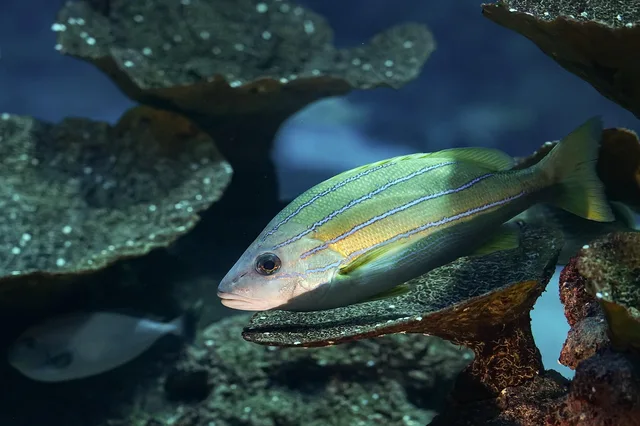
A siphon pulls debris from the gravel, cleaning the substrate where the fish feed. Following a fish compatibility guide means being prepared to handle the health challenges that arise when new fish are introduced.
A stressed fish is an immunocompromised fish, making it vulnerable to various ailments.
If you notice white spots on the scales of your inhabitants, you may need to adjust the environment. To treat Ich, increasing the aquarium's temperature gradually to 78–86 °F (26–30 °C) for a few days can speed up the parasite's life cycle.
Monitoring health is a continuous part of managing a multi-species community.
It is important to note that even with perfect stocking, some species may have inherent territorial instincts that cannot be fully suppressed. This means that even in a well-planned tank, constant vigilance is required to ensure all inhabitants remain safe.
This part also covers Stocking for new tanks.
Preventing fish aggression
Related

Comments 0