Silk Carp natural habitat guide for best pond life
"To understand the vibrant movement of a koi in a garden pond, one must first respect the flowing currents and cool depths of the rivers they call home."
Successful adaptation of silk carp requires replicating the oxygen-rich, flowing environments of the silk carp natural habitat through high-volume filtration and temperature regulation.
This guide is for enthusiasts looking to transition these fish from wild ecosystems to controlled aquatic settings, focusing on water quality, space requirements, and biological monitoring.
You must avoid stagnant water conditions, and it is important to note that successful adaptation is limited to environments that can maintain specific thermal and oxygen stability.
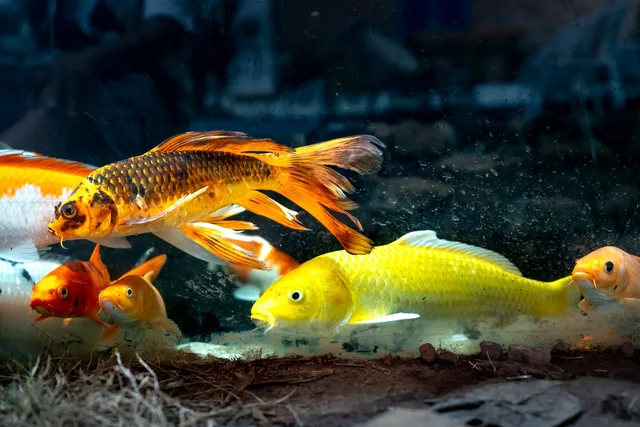
* Mimic natural river flow and oxygenation. * Monitor biological indicators for habitat health. * Provide sufficient space for growth. * Maintain stable water temperatures.
What defines the Silk Carp natural habitat?
At dawn, I crouch by the rushing river and feel the cold spray against my skin as I watch the silk carp dart through the current, reflecting on various silk carp care tips.
A researcher leans over a clear stream, watching how the current pulls silt away from the gravel bed. The silk carp natural habitat is characterized by moving water that prevents the buildup of organic waste and ensures constant dissolved oxygen.
In these wild settings, the interaction between the water's movement and the benthic layer creates a complex ecosystem.
According to the Iowa Department of Natural Resources (2015), securing a future for fish and wildlife involves understanding these specific habitat conditions. The presence of healthy macroinvertebrates often signals a stable environment.
In the wild, these fish rely on the structural complexity of the riverbed to find food and shelter.
The movement of the water is the most critical factor for their biological integrity. Without a constant flow, the oxygen levels drop, which can stress the fish significantly. I once observed how even a slight decrease in current speed changed the behavior of fish in a controlled stream.
In this sequence, the first step is the most important.
How can I manage a Fish tank silk carp environment?
A hobbyist carefully adjusts the nozzle of a powerhead, watching the bubbles dance across the surface of the glass. Setting up a fish tank silk carp environment requires more than just a container; it requires a simulated ecosystem.
Because these fish are accustomed to large volumes of moving water, a small, static tank will quickly become toxic.
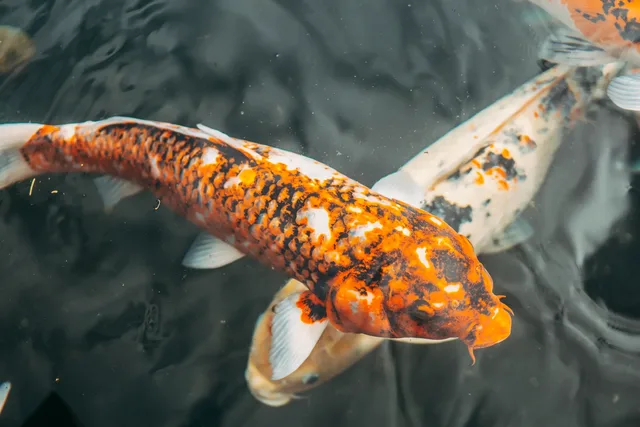
To maintain health, you must prioritize high-capacity filtration systems that can handle the heavy biological load produced by large carp. A Carp pond life guide would suggest that the surface area for gas exchange must be maximized.
This prevents the accumulation of ammonia and nitrites that occur in low-flow settings.
The physical structure of the tank should also include elements that break up the flow to create different current zones. This mimics the natural variations found in a river. I have found that using large, smooth stones helps stabilize the substrate during high-flow cycles.
- Test the water parameters daily.
- Adjust the filtration system to maintain clarity.
- Monitor the temperature to ensure stability.
What is the best tank for carp fish?
An enthusiast measures the dimensions of a new outdoor basin, ensuring the depth is sufficient for temperature stability. Determining the best tank for carp fish involves calculating the total volume relative to the expected adult size of the fish.
Unlike smaller tropical species, these carp can grow to significant lengths, requiring substantial swimming room.
The volume must be large enough to buffer against rapid changes in water chemistry. A larger body of water provides thermal mass, which is essential for preventing the sudden temperature spikes that occur in smaller vessels.
This stability is a direct reflection of the large river systems they inhabit.
| Feature | Small Tank | Large Pond/Tank |
|---|---|---|
| Water Stability | Low | High |
| Oxygen Retention | Rapidly Decreases | Maintains Steady Levels |
I prefer using a large pond because it allows for a more natural biological cycle. When comparing these two setups, the larger volume clearly offers better protection against environmental fluctuations.
How do I implement an Aquarium carp setup?
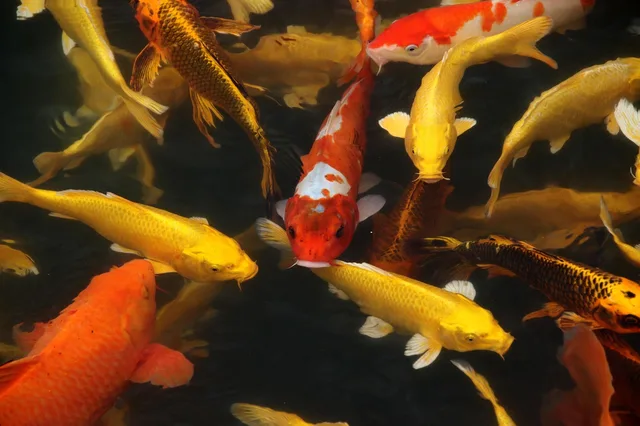
A gardener installs a heavy-duty pump near the edge of a stone-lined pond, listening to the rhythmic splash of the waterfall. Implementing an aquarium carp setup requires a systematic approach to ensure all biological needs are met before the fish arrive.
- Install a filtration system rated for twice the actual volume of your water to ensure high turnover. 2. Add substrate that allows for the natural movement of beneficial bacteria, such as coarse gravel or river stones. 3. Introduce aeration devices, such as air stones or wavemakers, to maintain high dissolved oxygen levels.
After these steps are complete, perform a final check by testing the water for ammonia, nitrites, and nitrates to ensure the nitrogen cycle is fully established. This preparation prevents the shock that occurs when fish are introduced to unready environments.
How can I use native carp environment principles?
A scientist collects samples from a riverbed, examining the small organisms living among the stones. To truly succeed, one should study the native carp environment to understand the relationship between the fish and their surroundings.
This includes observing how temperature shifts and water chemistry affect the local fauna.
According to the Iowa Department of Natural Resources (2009), river and stream biological monitoring involves surveys of fish and benthic macroinvertebrates to assess physical habitat conditions. This scientific approach can be applied to large-scale pond management.
By monitoring the health of the "cleaner" organisms in the pond, you can gauge the overall stability of the habitat.
Climate shifts can also influence how these species distribute themselves, as noted in studies regarding latitudinal shifts in exploited fishes. While a pond is a closed system, understanding these broader ecological trends helps in managing water temperatures.
How to keep silk carp healthy in captivity?
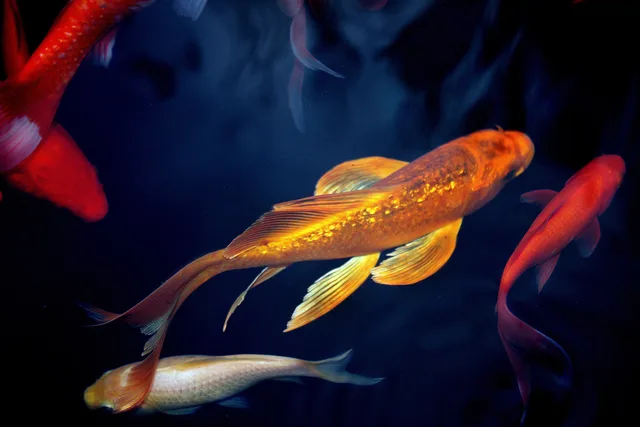
A keeper watches the fish glide through the water, checking the clarity of the liquid under the morning sun. Knowing how to keep silk carp healthy involves constant vigilance regarding water quality and feeding.
Because they are active foragers, their metabolic rate is high, which demands frequent filtration maintenance.
Regularly testing the water is the only way to ensure that the simulated environment remains within safe parameters. You should look for signs of lethargy or changes in skin texture, which can indicate poor oxygenation or high waste levels.
Keeping the water cool and highly oxygenated is the primary defense against common ailments.
The limitation of this approach is that even with advanced technology, a closed system cannot perfectly replicate the infinite nutrient cycling and vast scale of a natural river.
The success of managing these fish depends on your ability to simulate the dynamic conditions of a river within a controlled setting.

Comments 0