Goldfish and Carp Care Guide: Tips for Health
In our analysis of the ornamental fish market, goldfish and carp remain the undisputed pillars of the freshwater hobby, offering a unique blend of historical prestige and aesthetic diversity. From practical evaluation, it is evident that many hobbyists struggle to transition from simply "keeping" these fish to truly "managing" them. While goldfish are often perceived as hardy, their morphological diversity—ranging from the compact, egg-shaped Oranda to the streamlined Comet—demands specific environmental considerations. Understanding the physiological nuances of each breed is not merely an academic exercise; it is the fundamental prerequisite for ensuring long-term vitality and preventing the common ailments that plague unoptimized aquatic environments.
The Morphological Spectrum of Goldfish Varieties
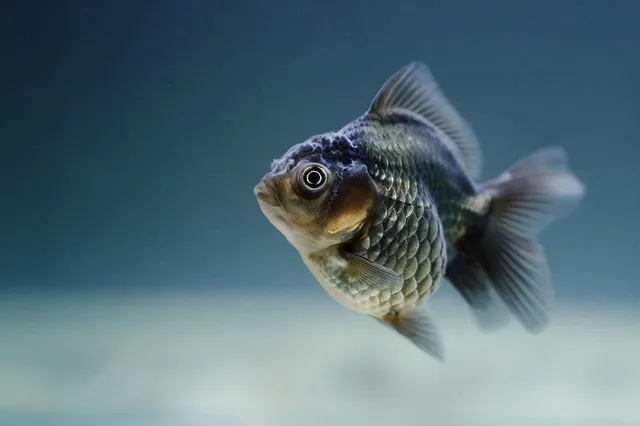
Goldfish (genus *Carassius*) have been selectively bred into a vast array of forms, each presenting distinct swimming patterns and metabolic needs. The primary distinction lies between "fancy" goldfish and "single-tail" varieties. Fancy goldfish, such as the Ranchu or Oranda, often possess a double tail and a more rounded body structure. This compact shape can lead to slower swimming speeds and a higher susceptibility to swim bladder issues if water quality fluctuates.
In contrast, single-tail varieties like the Common Goldfish or Comets are built for endurance. Their streamlined bodies allow for efficient movement in larger, more active environments. When selecting a breed, one must consider the intended habitat: a small indoor tank may suit a single fancy goldfish, but a large pond is far superior for the energetic movement of a comet variety.
| Feature | Fancy Goldfish (e.g., Oranda) | Single-Tail Goldfish (e.g., Comet) | Carp (e.g., Koi) |
|---|---|---|---|
| Body Shape | Rounded, compact | Streamlined, elongated | Large, robust |
| Tail Type | Double/Flowing | Single/Forked | Single/Strong |
| Swimming Ability | Moderate to Low | High | Very High |
| Ideal Environment | Indoor Aquarium | Pond or Large Tank | Large Pond |
| Growth Potential | Moderate | High | Very High |
How Does Breed Selection Affect Water Quality Management?
A common misconception among beginners is that all goldfish require the same level of filtration. However, the metabolic output of these fish is directly proportional to their size and activity level. Large-bodied carp and fast-swimming single-tail goldfish consume more oxygen and produce significantly more nitrogenous waste than their fancy counterparts.
From a management perspective, the "bioload" is the most critical metric. Because goldfish are prolific eaters, they contribute to rapid nitrate accumulation. In varieties with specialized head growths (wen), such as the Oranda, maintaining pristine water is even more vital, as debris can become trapped in the fleshy protrusions, leading to localized infections or bacterial growth. Therefore, a high-turnover filtration system is not an option but a necessity for any serious goldfish or carp enthusiast.
Essential Health Maintenance Checklist
To ensure your goldfish or carp thrive rather than merely survive, implement the following rigorous maintenance protocol. Consistency is the most effective tool in a hobbyist's arsenal.
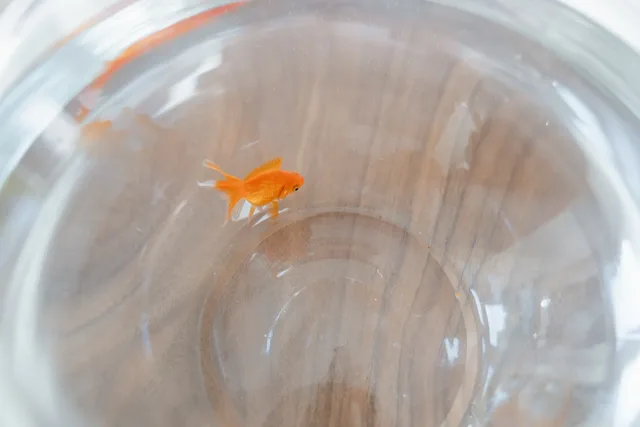
* Weekly Water Changes: Replace 20–30% of the aquarium volume to dilute nitrates and replenish essential minerals. * Siphon Substrate: Regularly vacuum the gravel or sand to remove uneaten food and organic waste that fuels ammonia spikes. * Dietary Rotation: Provide high-quality sinking pellets for bottom-dwellers and floating flakes for surface feeders to prevent malnutrition. * Temperature Stability: Monitor for sudden fluctuations; while goldfish are cold-water fish, stability is more important than a specific high temperature. * Observation Protocol: Daily visual inspections for clamped fins, white spots (Ich), or lethargy are essential for early disease detection.
Nutritional Strategies for Longevity
Feeding is where most management errors occur. Goldfish and carp are opportunistic omnivores with high metabolic demands. While many owners rely solely on commercial pellets, incorporating varied nutritional sources can significantly enhance immune function.
The quality of the protein source is paramount. High-protein diets support the rapid growth seen in young carp, but excessive protein without adequate filtration will lead to toxic ammonia levels. Furthermore, the inclusion of fiber-rich vegetables (such as blanched peas) is a professional recommendation to prevent constipation, a leading cause of swim bladder dysfunction in fancy goldfish varieties. By balancing high-quality proteins with essential fibers, you create a biological buffer that supports both growth and digestive health.
Distinguishing Goldfish from Carp in an Ornamental Context
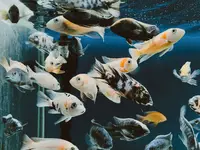
While they belong to the same family, the distinction between goldfish and carp is vital for proper husbandry. Carp, particularly Koi, are bred for massive scale and extreme longevity, often requiring much larger volumes of water and more robust oxygenation systems than goldfish.
Goldfish are generally more manageable for the domestic hobbyist, but they require more attention to "fin health" due to their delicate, flowing tails. Carp, conversely, require "space management" to accommodate their significant physical growth. When designing an aquatic setup, one must decide whether the goal is the intricate, sculptural beauty of a fancy goldfish or the majestic, powerful presence of a large-scale carp.
Frequently Asked Questions
Q: Can I keep fancy goldfish and common goldfish in the same tank? A: It is generally not recommended. Common goldfish grow much faster and are more active, which can outcompete fancy goldfish for food and potentially stress them through physical collisions. Additionally, the differing waste outputs make maintaining a stable environment difficult.
Q: Why does my goldfish seem to be struggling to stay upright? A: This is often a sign of swim bladder disorder. Causes include poor diet (lack of fiber), sudden changes in water pH, or poor water quality. Ensuring a diet that includes vegetables and maintaining strict water parameters is the first step in mitigation.
Q: How often should I test the water parameters? A: For new setups, testing should be done daily. Once a stable biological filter is established, testing the ammonia, nitrite, and nitrate levels once a week during your scheduled water change is sufficient to ensure the environment remains within safe limits.

Comments 0