Marine fish breeding guide: Coastal habitats face 50% loss
"Coastal habitats are among the world's most endangered ecosystems, with an estimated habitat loss greater than 50 percent."
Effective marine fish breeding guide strategies focus on restoring vital habitats to ensure long-term ocean health. This process is essential for anyone studying ocean species reproduction to prevent further declines in biodiversity.
To achieve success, one must understand the role of kelp forest restoration, the impact of urban infrastructure on coastal zones, and the economic drivers behind marine feedstock research.
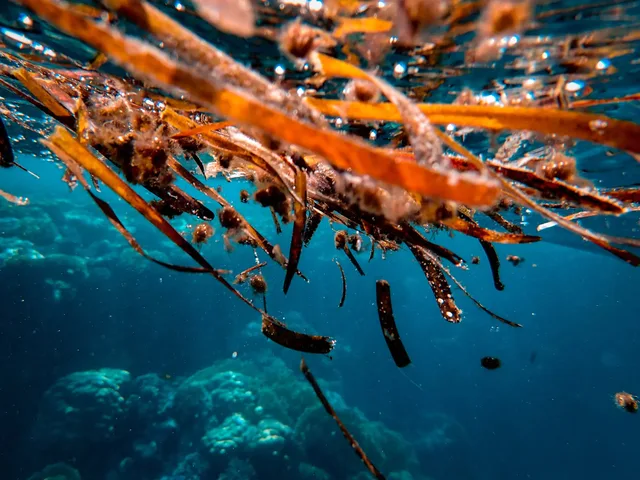
One major limitation is that current restoration efforts are often constrained by the ongoing increase in water temperature, which has been documented to rise between 0.1 and 0.2 °C per decade.
How does marine fish breeding guide success impact biodiversity?
A researcher monitors the movement of tide and current to assess the health of a reef. Maintaining marine balance requires protecting the highly productive coastal ecosystems that serve more than 75 percent of fishery species.
These habitats provide essential services by protecting shorelines from erosion and flooding.
Coastal habitats occupy about 8 percent of the total ocean area and account for about half of all the ocean productivity. This massive output supports a vast array of life. Furthermore, these regions are critical because they occupy about 7 percent of the ocean surface area.
Why is ocean species reproduction critical for the environment?
A diver swims through a thick forest of kelp, feeling the sway of the water against the stalks. Boosting ecosystem resilience depends on the stability of these environments. The loss of seagrass was approximately 7% of seagrasses area per year by the end of the twentieth century.
The scale of loss is significant for those looking at aquatic species breeding environments. For instance, approximately 40% of the global mangrove has been lost since the 1950s.
Additionally, more than 9,736 km2 of the world's mangroves continued to be degraded in the 20 years period between 1996 and 2016.
What are the best sea fish breeding methods for restoration?
A technician carefully places juvenile organisms into a controlled nursery tank. Maintaining marine balance requires specialized legislative and financial support to scale these efforts.
The Keeping Ecosystems Living and Productive (KELP) Act, introduced July 29, 2021, seeks to establish a new grant program within NOAA for kelp forest restoration.
Large-scale initiatives often require significant capital. The Department of Energy’s Advanced Research Projects Agency-Energy invested $22 million in efforts to increase marine feedstocks for biofuel production, including $2 million to conduct the kelp elevator study.
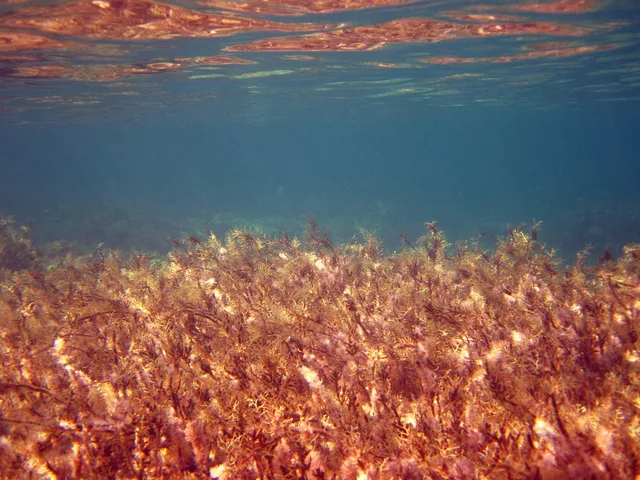
This investment supports the broader goal of maintaining aquatic species breeding stability.
How can we manage marine life breeding tips effectively?
An engineer examines the structural integrity of a seawall near a tidal zone. One way to prevent the fragmentation of sensitive coastal ecosystems is to limit urban development.
For example, almost 10% of the entire Great Barrier Reef coastline in Australia (2,300 km) has been replaced with urban infrastructure, such as rock seawalls, jetties, and marinas.
The impact of human presence is widespread across the ocean. Of these global tidal wetland losses and gains, 39% of losses and 14% of gains were attributed to direct human activities. This demonstrates the necessity of integrated management to support sea fish breeding methods.
What are the economic drivers of marine life breeding?
A scientist logs data from a commercial research vessel during a deep-sea survey. The intersection of biology and industry often drives funding for ocean research.
Department of Energy Award Number DE-AR0000689 and by Marine BioEnergy, Inc., which has a commercial interest in the research and contributed part of its $2.6 million federal grant to cover the cost of the USC Wrigley Institute study.
Understanding these financial connections is vital for anyone following marine life breeding tips. I have observed how commercial interests can supplement federal grants to drive specific research goals.
What are the risks of habitat loss?
A biologist observes the empty shells of organisms left behind by a receding shoreline. Restoring ocean ecosystems is a race against time due to the decline of key species.
Several predatory taxa including species of marine mammals, elasmobranchs, and seabirds have declined by 90 to 100 percent compared to historical populations.
The degradation of these spaces creates a cycle of vulnerability. Coastal habitats are highly susceptible to change, especially as they extend to the margins of the continental shelves.
| Habitat Type | Surface Area/Impact |
|---|---|
| Coastal Habitats | 7% of ocean surface area |
| Ocean Productivity | 50% of total ocean productivity |
How can kelp forest restoration be funded?
What is the impact of urban infrastructure?
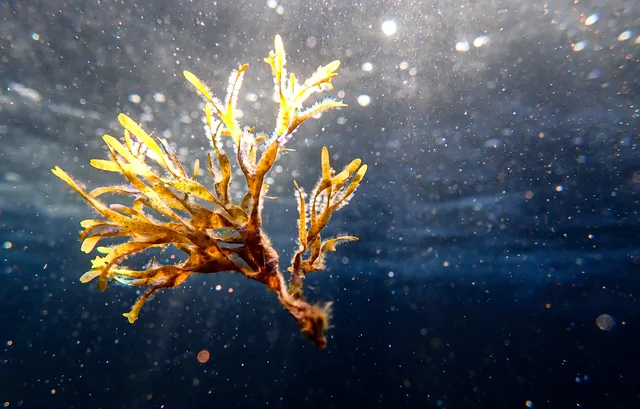
Almost 10% of the entire Great Barrier Reef coastline in Australia (2,300 km) has been replaced with urban infrastructure, causing massive loss and fragmentation of sensitive coastal ecosystems.
The pursuit of marine fish breeding guide excellence is essential for mitigating the 50 percent habitat loss observed in coastal plant communities.
- How does marine fish breeding guide success impact biodiversity?
- Why is ocean species reproduction critical for the environment?
- What are the best sea fish breeding methods for restoration?
Related
- Tropical fish breeding balance: Guide to ecosystem stability
- Small saltwater tank setup: why smaller is often practical
What conditions limit the effectiveness of restoration efforts?
- The ongoing increase in water temperature presents a major limitation to current restoration efforts. 2. This temperature rise has been documented to occur between 0.1 and 0.2 °C per decade. 3. Maintaining marine balance demands consideration of these environmental stressors during any recovery procedure.
How does human activity affect Coastal habitats?
- Direct human activities are responsible for a portion of global tidal wetland losses and gains. 2. Specifically, 39% of losses and 14% of gains in these wetlands are attributed to human actions. 3. Limiting urban development is one procedure to prevent the fragmentation of sensitive Coastal habitats.
The scale of loss for many Coastal habitats is evident in the degradation of specific plant life. For example, the loss of seagrass amounted to approximately 7% of the seagrass area each year near the close of the twentieth century. This shows a pattern of decline in these crucial zones.
The economic drivers behind marine feedstock research often intersect with the need to maintain Coastal habitats. Funding mechanisms, such as those provided by the Department of Energy, support studies aimed at increasing marine feedstocks.
This financial support helps sustain the research necessary for effective restoration.
The vulnerability of Coastal habitats is heightened when they extend toward the margins of the continental shelves. Biologists have noted that the degradation of these spaces initiates a cycle of increased susceptibility to environmental shifts.
This condition necessitates proactive management strategies.
USC Today Based on the retained excerpt mentioning Advanced Research Projects Agency: Department of Energy’s Advanced Research Projects Agency-Energy invested $22 million in efforts to increase marine feedstocks for biofuel production, including $2 million to conduct the kelp elevator study.


Comments 0