Small saltwater tank setup: why smaller is often practical
"A small aquarium can be a vast ocean for those who know how to manage its delicate balance."
Setting up a small saltwater tank setup allows beginners to explore marine life without the massive footprint of a large display.
This guide is for hobbyists seeking a manageable way to start nano reefs, emphasizing the need for careful water management and the recognition that smaller volumes require more frequent monitoring.
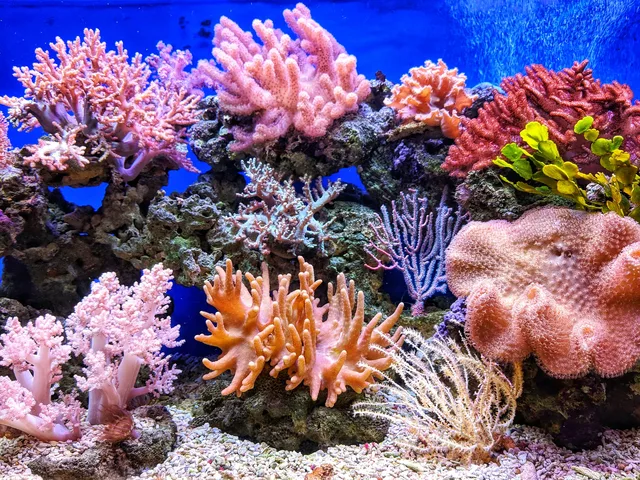
Key takeaways include the importance of understanding volume, the necessity of gradual population increases, and the specific characteristics of reef aquaria under 100 litres.
Why choose a small saltwater tank setup?
At noon in the sunlit kitchen, I touch the cool glass of the small container and marvel at the light.
I carefully placed a small piece of coral into a glass container, watching how the light refracted through the water. Choosing a small saltwater tank setup provides an entry point into the hobby for those with limited space.
This specific approach allows for the creation of nano reefs, which are reef aquaria under 100 litres (26 US gal; 22 imp gal) that have a small water volume, often under 40 litres (11 US gal; 9 imp gal).
The decision to start small helps manage the physical demands of the hobby. Large systems face practical limitations, most notably the weight of water and internal water pressure that require thick glass siding. By selecting a smaller volume, you avoid these massive structural requirements.
I once struggled with the sheer weight of a large unit, which taught me that smaller is often more practical for home settings.
What is a nano reef aquarium tips guide for beginners?
A beginner looks at a single pump and a small bag of substrate, wondering where to start. To succeed, one must follow a mini reef tank guide that prioritizes stability over size.
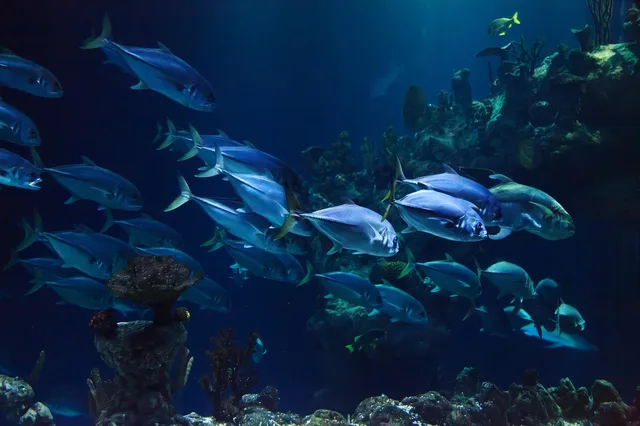
A common mistake is rushing the process, but success comes from "slow growth," which entails slowly increasing the fish population over a period of 6 to 8 weeks. This gives bacteria colonies time to grow and stabilize with the increase in fish waste.
Maintaining a small marine tank setup requires understanding that water chemistry changes rapidly in small volumes. While some hobbyists manage to avoid regular water changes by keeping their systems somewhat self-sufficient, most require weekly maintenance.
This typically includes changing around 10–30% or more of the water while cleaning the gravel or other substrate.
How do you manage a small marine tank setup?
Late at night in the quiet kitchen, I watch the small bubbles rise and feel the cold spray on my skin.
I sat by the tank late at night, watching the bubbles rise from the skimmer. Managing a small marine tank setup involves three essential steps to ensure the environment remains hospitable for marine life.
- Monitor temperature closely, as most fish and plant species tolerate only a limited temperature range. 2. Perform regular water changes of 10–30% to maintain stable chemistry. 3. Introduce new inhabitants slowly over a 6 to 8 week period to allow bacteria to stabilize.
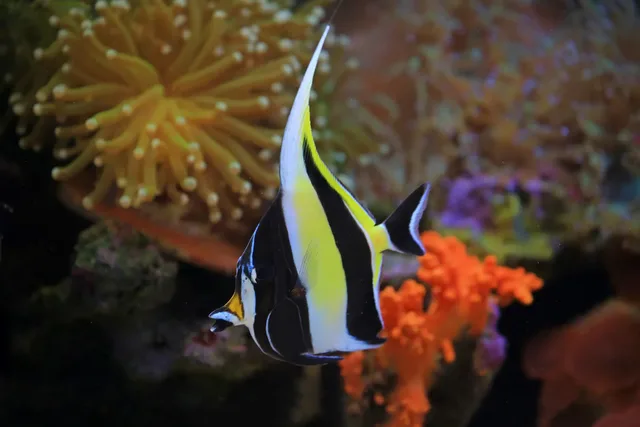
After these steps, always perform a final check of your water parameters. Small saltwater tank setups are highly sensitive to changes in the environment.
How does size impact aquarium construction?
A technician applies a bead of sealant along the edge of a glass pane. Most aquaria consist of glass panes bonded together by 100% silicone sealant, with plastic frames attached to the upper and lower edges for decoration.
While the glass aquarium is standard for sizes up to about 1,000 litres (260 US gal; 220 imp gal), the construction needs change as the volume decreases.
The physics of water dictate how these containers are built. As volume increases, the internal water pressure requires thick glass siding. For very small setups, the risks are different, but for larger ones, the weight becomes a significant factor.
| Aquarium Type | Volume Threshold |
|---|---|
| Nano Reef | Under 100 litres |
| Mini Aquarium | Less than 150 litres |
Is a nano aquarium different from a mini aquarium?
I hold a small glass bowl in one hand and a larger tank in the other. A nano aquarium is typically defined as less than 75 litres (20 gallons), while a mini aquarium is defined as less than 150 litres (40 gallons).
Understanding these distinctions helps in choosing the right equipment and maintenance schedule.
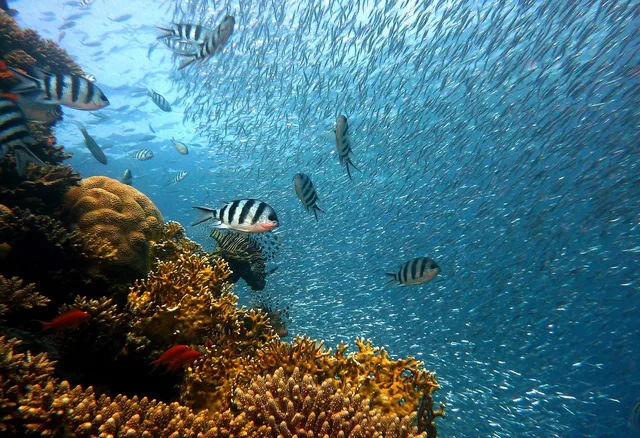
In the United States, 40% of aquarists maintain two or more tanks. This indicates that many enthusiasts move from these smaller setups to larger ones or maintain multiple small units. Whether you are managing a nano reef or a larger display, understanding the scale is vital.
- Why choose a small saltwater tank setup?
- What is a nano reef aquarium tips guide for beginners?
- How do you manage a small marine tank setup?
The same subject is also called beginner saltwater tank.
This part also covers how to start nano reef.
This part also covers small tank saltwater care.
This part also covers best mini saltwater setup.
how to start nano reef
Related
- Tropical fish tank setup: Tips for best ecosystem care
- How does fish breeding ecosystem impact change over time?
How to maintain stability in a small aquarium?
Stability is maintained through regular monitoring and consistent maintenance routines. To avoid rapid changes in water chemistry, follow these steps:
- Monitor temperature closely to stay within the limited range tolerated by fish. 2. Perform weekly water changes of 10–30% to stabilize chemistry. 3. Add fish slowly over 6 to 8 weeks to allow bacteria to grow.
Is the weight of the aquarium a concern?
Weight is a significant factor for larger units, whereas smaller volumes avoid massive structural requirements. Large systems require thick glass siding to withstand internal water pressure. By choosing a smaller volume, you avoid these heavy physical demands.

Comments 0