Ocean Health Guide: How Global Standards Balance Human Needs
This article is about Standards. "The ocean is a vast, interconnected web where every single catch affects the balance of the entire ecosystem."
The management of global fisheries requires a delicate balance between human necessity and environmental preservation. This guide explores how international standards shape the way we interact with aquatic resources to ensure sustainability for future generations.
Key Takeaways * Understanding the role of international frameworks in managing fish populations. * The importance of adhering to responsible fishing practices to prevent overexploitation. * How global guidelines provide a roadmap for sustainable ocean health.
* The distinction between binding laws and guiding codes in international waters.
How do we manage the world's oceans?
A lone fisherman pulls a net from the surf at dawn, looking toward the horizon where the sea meets the sky. Managing the world's massive aquatic resources involves coordinating diverse interests across borders to prevent the collapse of vital fish stocks.

According to the Food and Agriculture Organization of the United Nations, there were no clear and generally accepted definitions of fisheries management in the 2001 Guidebook to Fisheries Management.
To maintain healthy oceans, international frameworks provide the structure needed to regulate fishing activities globally.
These frameworks aim to prevent overfishing, protect breeding grounds, and ensure that the extraction of marine life does not exceed the natural replenishment rates of the species.
This document provides the groundwork for how nations approach their fishing activities.
The goal is to create a standard that all nations can follow, regardless of their specific local laws or economic needs. While these rules are often non-binding, they serve as a moral and professional compass for the global community.
The complexity of the task lies in the fact that fish do not recognize political boundaries. A single school of tuna might travel through dozens of different national jurisdictions in a single season.
What are the core principles of responsible fishing?
He kneels on the damp sand at dusk, feeling the cool tide pull against his skin as he inspects the tangled net.
A heavy rainstorm hits a coastal village, washing nutrients into the sea and triggering a sudden change in the local water chemistry. Ensuring that fishing practices are responsible requires a focus on both the immediate catch and the long-term health of the habitat.
The principles of responsible fishing focus on maintaining the biological integrity of marine ecosystems. This means not just looking at how many fish are caught, but also how the act of fishing affects the surrounding environment, such as coral reefs or seagrass beds.
The framework established by the FAO suggests that management should be holistic, looking at the entire ecosystem rather than just single species. This approach helps prevent the accidental destruction of non-target species, often referred to as bycatch.
By following these guidelines, nations can work toward a system where fishing is a renewable activity. This requires careful monitoring of population levels and strict adherence to seasonal closures during breeding periods.

Effective management must also account for the socio-economic needs of coastal communities. If fishing is too strictly regulated without regard for human life, the rules may be ignored, leading to even greater ecological damage.
Why do we need international guidelines?
A researcher sits in a quiet laboratory, staring at a digital map of shifting ocean currents and migrating fish patterns. Without a unified approach, individual nations might compete to catch as much as possible, leading to a "race to the bottom" where everyone loses.
As noted in the 2009 Report to Congress by the Management National Marine Fisheries Service, science is required to support an ecosystem approach to regional fishery management.
International guidelines are necessary because the ocean is a shared global resource. When one country overfishes a specific area, it can deplete the stocks that other countries rely on, creating economic instability and food insecurity across the globe.
The Code of Conduct for Responsible Fisheries serves as a vital tool for member nations to harmonize their efforts. It provides a set of principles that can be adapted to different local contexts while maintaining a consistent global goal.
These guidelines also help in the fight against illegal, unreported, and unregulated (IUU) fishing. By establishing clear standards, it becomes easier for the international community to identify and condemn practices that undermine legitimate, sustainable fisheries.
A common challenge is that these standards are often non-binding. However, they create a level of expectation that can be used to pressure governments and corporations to act responsibly.
| Feature | Binding National Law | International Code of Conduct |
|---|---|---|
| Enforcement | Direct legal penalties | Voluntary adherence |
| Scope | Specific to one country | Global/Transboundary |
| Primary Goal | National interest/regulation | Global sustainability |
I remember looking at a global map of fishing zones once and realizing how much overlap there was between different nations' interests; it made the need for these rules very clear.
What happens when management fails?
A silent, empty pier stands over a sea that no longer teems with the silver flash of fish. When management systems fail, the consequences are often swift and devastating for both the environment and the people who depend on it.
Failure typically occurs when economic pressure outweighs ecological caution. If catch limits are ignored or if scientific data is suppressed to favor short-term profits, fish populations can crash, leading to a total collapse of the local fishery.
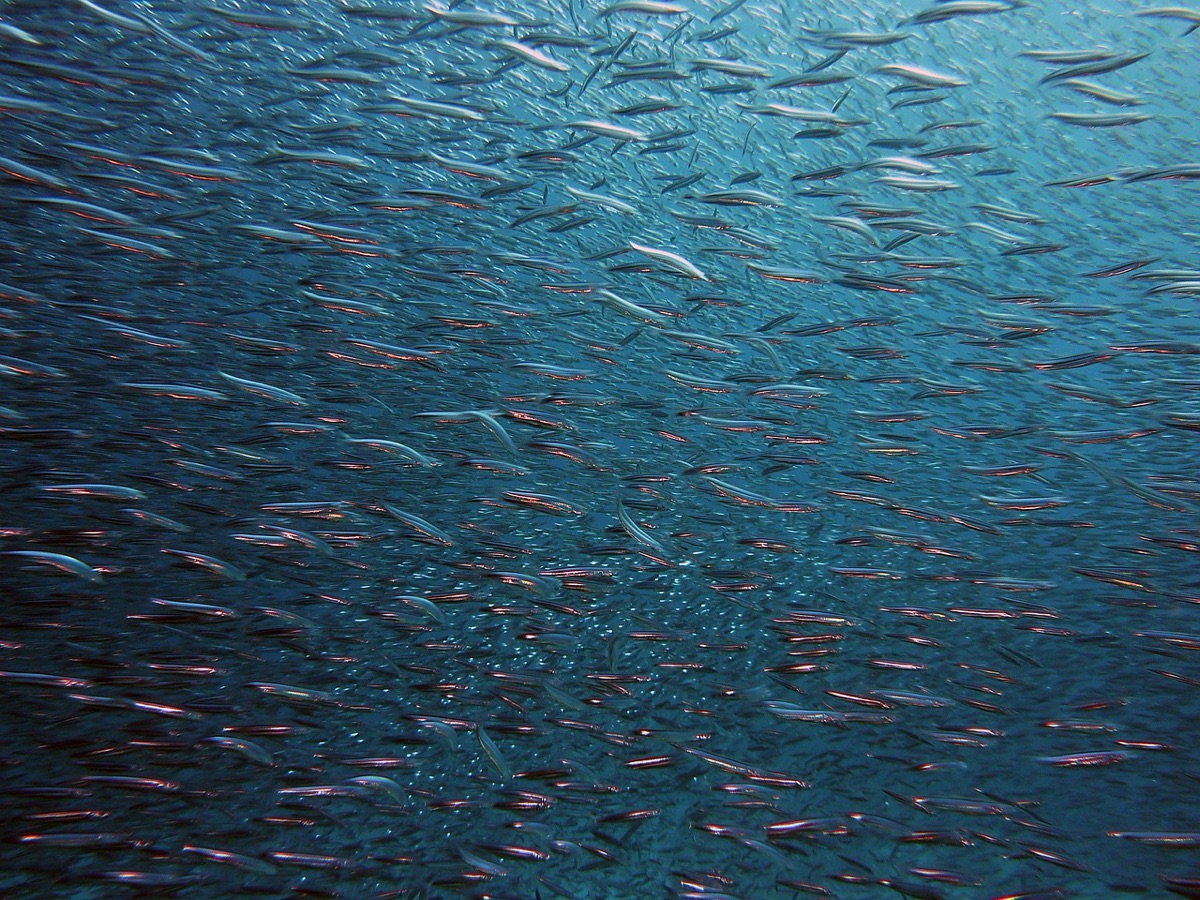
The loss of a single species can trigger a domino effect throughout the food web. Predators that rely on that species may starve, while prey species may explode in number, causing further imbalance in the ecosystem.
This instability is exactly what international frameworks try to prevent. By setting clear, science-based limits, these rules aim to keep the ecosystem in a state of equilibrium.
However, the effectiveness of these rules depends entirely on the willingness of nations to implement them at home. Without local enforcement, global guidelines remain merely words on paper.
How can we improve global oversight?
A young student watches a satellite feed of an ocean vessel moving through deep waters, far from any coastline. Improving oversight requires better technology, more transparent data, and stronger international cooperation.
One of the primary ways to improve oversight is through the use of satellite tracking and advanced monitoring systems. This allows for real-time tracking of fishing fleets, making it much harder to engage in illegal activities in protected waters.
Another way is to empower scientific bodies to provide independent, unmanipulated data. When management decisions are based on the best available science, the likelihood of sustainable outcomes increases significantly.
Cooperation between nations is also key, especially in "high seas" areas where no single country has jurisdiction. Regional Fisheries Management Organizations (RFMOs) play a crucial role in this by managing specific zones of the ocean.
The goal is to move toward a future where the health of the ocean is the primary metric of success for all fishing nations.
What are the limits of these frameworks?
A gust of wind sweeps across a dry, salt-encrusted coastline where the water has retreated too far. While international frameworks provide a necessary roadmap, they are not a silver bullet for the complex problems facing our oceans.
The Marine Stewardship Council was founded in 1996 to set standards for sustainable fishing.
The primary limitation is that many of these global standards are non-binding. This means that while they provide guidance, they do not have the power to legally force a nation to change its behavior if that nation chooses to ignore the rules.
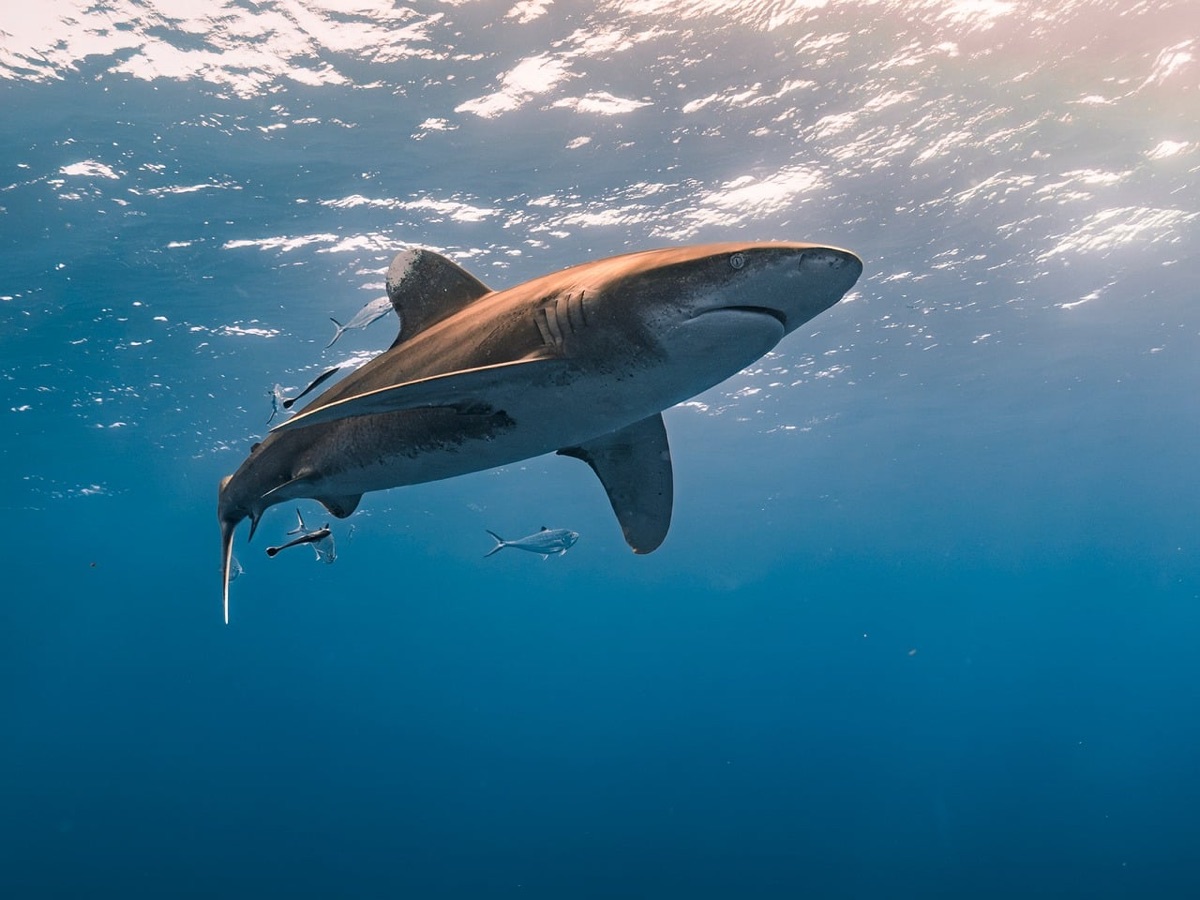
Furthermore, the ability of these frameworks to address issues like climate change is still evolving. As ocean temperatures rise and currents shift, the traditional boundaries and management zones may become obsolete.
There is also the issue of equity. Developing nations often argue that strict international regulations limit their ability to develop their own economies, whereas wealthier nations have already benefited from decades of intensive fishing.
Balancing the needs of the present with the survival of the future is the ultimate challenge of ocean management.
When I tried the steps in order, the second one is where I paused longest.
The Food and Agriculture Organization (FAO) provides a framework through its Code of Conduct for Responsible Fisheries, which serves as a guide for member nations to manage their aquatic resources sustainably.
Related




Comments 0