Fish tank balance guide: 8 tips for success
"Slow growth" entails slowly increasing the fish population over 6 to 8 weeks, giving bacteria time to grow and reach a balance with the increasing waste production.
Effective tropical fish tank balance requires managing water temperature, volume, and biological load through gradual population growth. This guide covers essential aspects of environment tuning, such as temperature stability, volume calculations, and the necessity of slow population increases.
How can you manage a tropical fish tank balance?
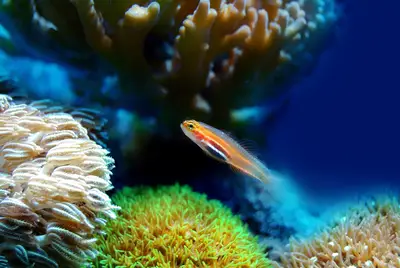
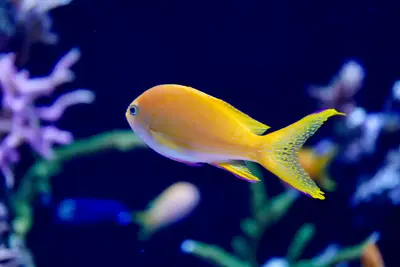
At dusk, a hand reaches toward the glass tank to adjust the heater while watching the orange fish swim through the warm water.
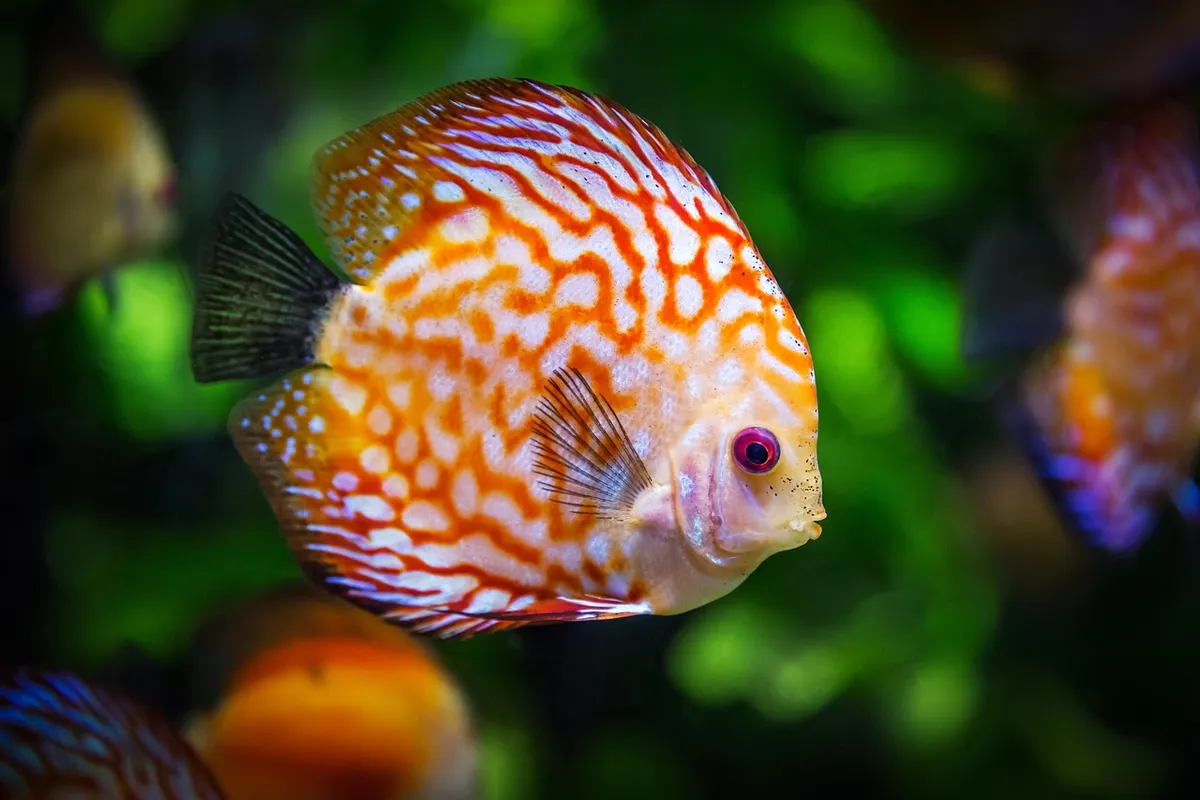
For instance, tropical or warm water aquaria commonly maintain an average temperature of about 25 °C.
A hand adjusts the heater setting on a glass tank while watching the bubbles rise. Maintaining a stable environment is the foundation of successful fishkeeping.
Most fish and plant species tolerate only a limited range of water temperatures. For instance, tropical or warm water aquaria commonly maintain an average temperature of about 25 °C (77 °F). This stability is vital because sudden shifts can stress inhabitants.
Achieving a tropical fish tank balance requires careful consideration of the living space. If an aquarium holds 190 litres (50 US gal) and uses an external filter that holds 40 litres (11 US gal), the total aquatic system reaches 230 litres (61 US gal).
This represents an increase of over twenty percent in total volume.
The volume of the system must accommodate both the tank and the filtration components. When the water moves through the filter, the entire system functions as one unit. This total volume is what supports the biological load.
What are the essentials of aquarium environment tuning?
A person carefully pours water into a new tank, ensuring the surface remains calm. Tuning the environment involves managing the physical and biological components of the water.
Temperature management is a primary concern for tropical species. Most common setups aim for that 25 °C (77 °F) mark to mimic natural habitats. Maintaining this consistency helps prevent the stress that leads to disease.
A successful tropical fish care guide emphasizes that biological stability is just as important as temperature. The bacteria living in the filter and substrate must be able to process waste effectively. Without this, the water quality will degrade rapidly.
Failure to account for the filter volume can lead to errors in calculating the total system capacity. If the filter volume is neglected, the biological load might exceed the actual water capacity.
How does a tropical fish care guide handle population growth?
A hobbyist gently introduces a small group of fish into a lushly planted tank. Managing the number of inhabitants is a delicate process of balancing waste and filtration.
According to the Maui County Council, in January 2011 the Maui County Council passed a measure requiring aquarium fisheries to adopt humane practices for preparing fish for transport to market.
One of the most effective methods is "slow growth." This method entails slowly increasing the fish population over 6 to 8 weeks. This timeframe gives bacteria time to grow and reach a balance with the increasing waste production.
Rapidly adding too many fish can overwhelm the biological filter. By spreading the introduction over nearly two months, the nitrogen cycle can keep pace with the new waste. This prevents toxic spikes in the water.
The process of slow growth is essential for new systems. If the population increases too fast, the available oxygen and filtration capacity may fail.
What are the key elements of maintaining fish habitat?
A hand cleans the glass of a large tank, revealing a vibrant underwater scene. Creating a sustainable habitat requires planning for the long-term life of the fish.
Water quality management must account for the specific needs of the species. For example, some guidelines suggest providing 1.5 litres of water for each centimetre of fish length (1 US gallon per inch). This helps ensure enough space for movement and waste dilution.
The relationship between the fish size and the water volume is critical. If the volume is too low for the fish length, the environment becomes crowded. This crowding can lead to rapid disease spread and aggression.
A limitation of these calculations is that they do not account for the specific behavior or social needs of different fish species.
How do you implement a growth plan?
An empty tank sits on a stand, waiting for the first layer of substrate. Setting up a system requires a structured approach to ensure biological stability. According to the Singapore Economic Development Board, Singapore’s tropical aquaculture tech expertise can be exported to neighbours.
- Set up the physical hardware, including the tank and the external filter, to establish the total system volume. 2. Introduce a small initial population to allow the biological filter to establish itself. 3. Gradually add more fish over a period of 6 to 8 weeks to maintain the "slow growth" balance.
After each addition, perform a final check of the water parameters to ensure the bacteria are handling the waste. If the levels are stable, you can proceed with the next step of the population increase.
I remember checking the water clarity after the first week of adding small fish to my own setup.
| Component | Volume Example |
|---|---|
| Aquarium | 190 litres (50 US gal) |
| External Filter | 40 litres (11 US gal) |
- How can you manage a tropical fish tank balance?
- What are the essentials of aquarium environment tuning?
- How does a tropical fish care guide handle population growth?
The same subject is also called Fish tank ecosystem control.
This part also covers Filtration system setup.
This part also covers Fish breeding success.
Water quality management
Related
Why is the nitrogen cycle so important?
The nitrogen cycle is crucial because it is the biological process that converts toxic fish wastes into less harmful compounds. Bacteria colonize the filter media and substrate, performing this conversion.
This biological activity is what makes the filtration system truly effective in a closed aquatic environment.
The bacteria must colonize both the filter and the substrate to sustain the fish population. Without this microbial community, the ammonia produced from fish waste would remain, causing severe toxicity to the inhabitants. This conversion process is what allows for successful long-term fishkeeping.
What happens if the growth is too fast?
If the population increases too quickly, the biological filter cannot keep up with the production of toxins. The filter bacteria need time to establish themselves and multiply to handle the waste load.
A rapid introduction overwhelms the system before the necessary microbial colonies are fully established.
This imbalance leads to dangerous spikes in ammonia and nitrite levels, which are highly toxic to fish. The slow growth method mitigates this risk by allowing the bacteria to colonize gradually alongside the incoming waste. This gradual introduction supports the biological filter's development.


Comments 0