Fishery law marine ecology: How to manage aquatic resources
"A fishery is an activity leading to harvesting of fish."
Effective fishery law marine ecology management requires balancing harvesting activities with the biological limits of aquatic environments.
This guide explores the distribution of global catches, the economic weight of finfish, and the socio-economic importance of small-scale operations to understand how modern fishing regulation system frameworks function.
Key takeaways: * Marine environments account for approximately 90% of total fishery catches. * Finfish represent the majority of traded aquatic products, totaling 68% of value in 2024. * Small-scale fisheries support a significant portion of the global workforce.
What defines the scope of a fishery?
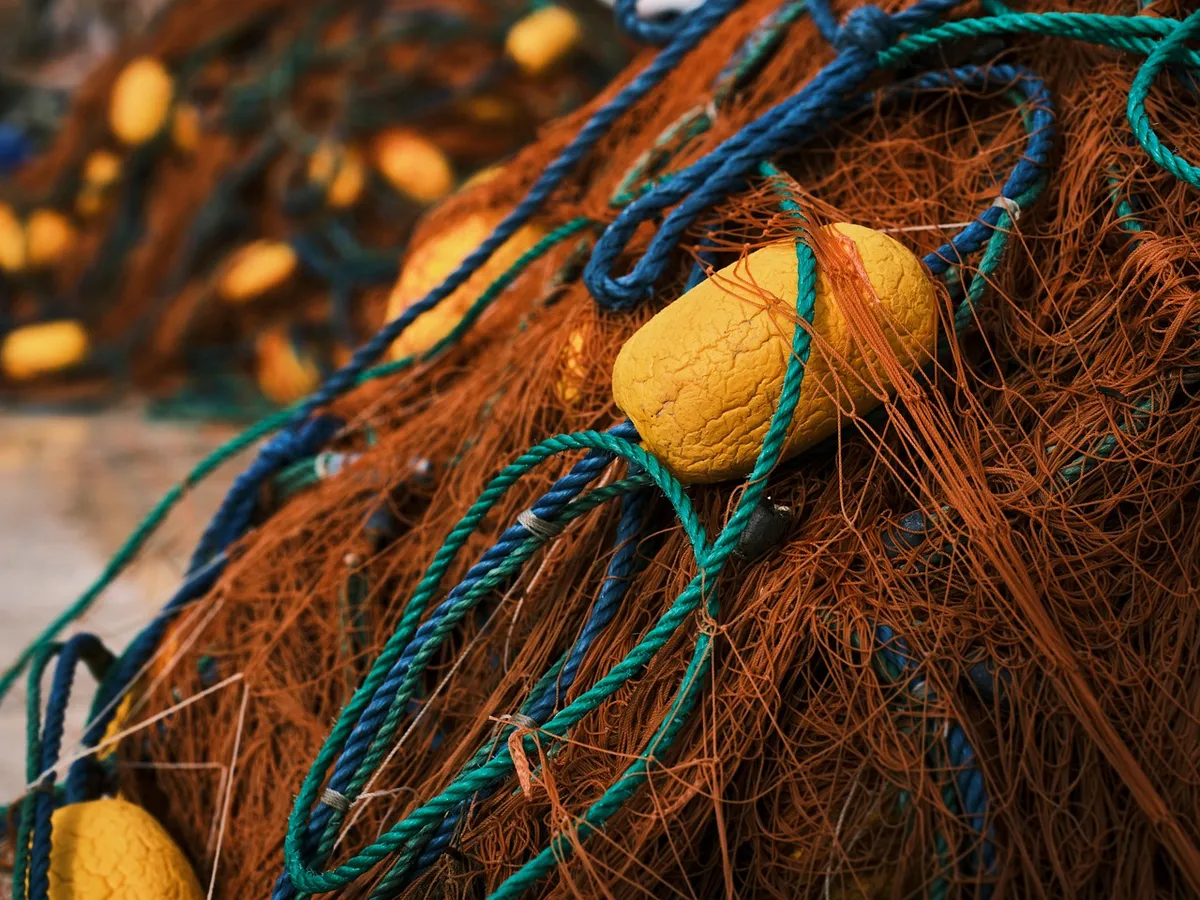
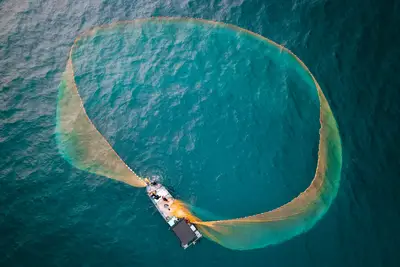
At dawn, the fisherman pulls a heavy net from the churning saltwater to define the reach of his fishery.
A fisherman casts a net into the churning saltwater, pulling in a harvest that represents a specific economic activity. According to the FAO, a fishery is an activity leading to harvesting of fish.
This definition encompasses various methods and environments where human interaction meets aquatic life.
The scope of these activities varies significantly between environments. For instance, commercial fisheries include both wild fisheries and fish farms, operating in freshwater waterbodies which account for about 10% of all catch, and the oceans, which make up about 90%.
This distribution dictates how different ocean conservation policy strategies are applied to specific biological zones.
How is the catch distributed globally? Fishery law marine ecology
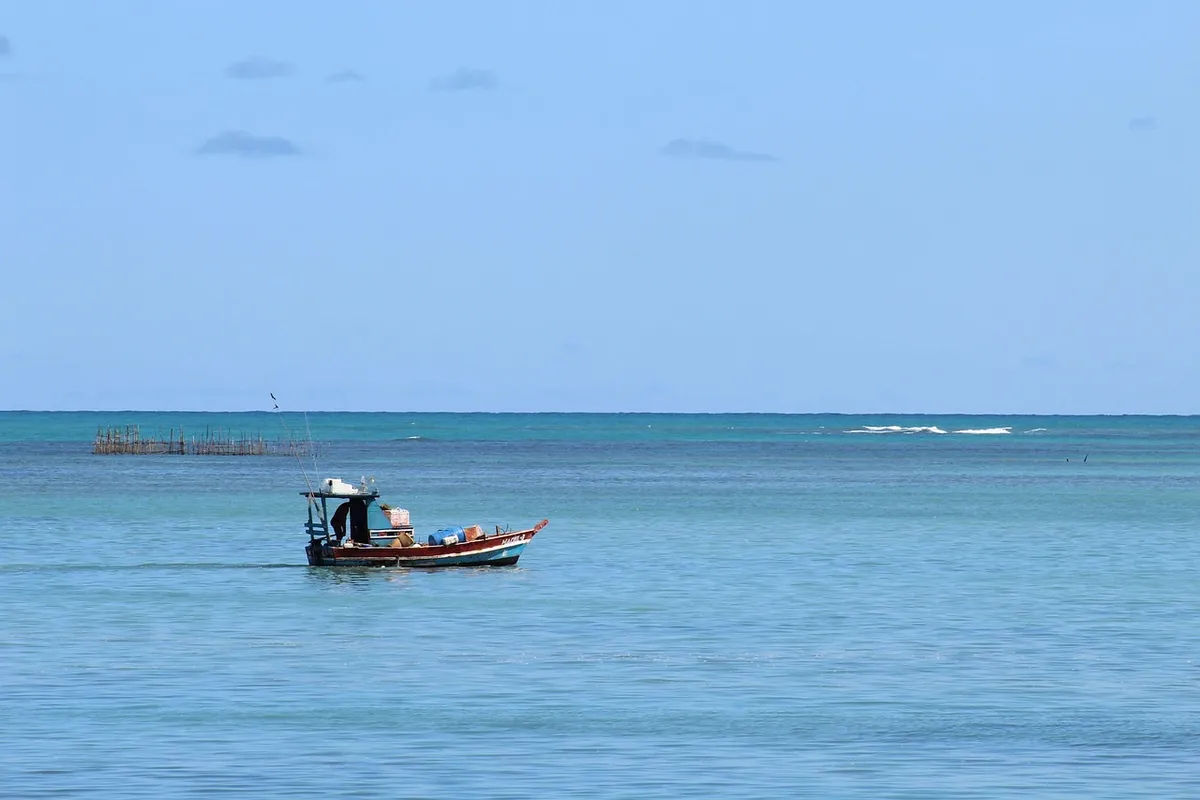
A researcher reviews data on a digital screen, noting the vast differences between oceanic and inland harvests. Close to 90% of the world's fishery catches come from oceans and seas, as opposed to inland waters.
This vast marine dominance shapes the primary focus of international fishing regulation system efforts.
The composition of these catches is heavily weighted toward specific species. About 85% of total marine fisheries production was finfish, specifically including anchoveta at 4.9 million tonnes, Alaska pollock at 3.4 million tonnes, and skipjack tuna at 3.1 million tonnes.
Understanding these proportions is essential for developing effective marine protection laws.
| Product Category | Percentage of Total Value (2024) |
|---|---|
| Finfish | 68% |
| Crustaceans | 22% |
| Molluscs and Invertebrates | 11% |
What role do small-scale fisheries play?
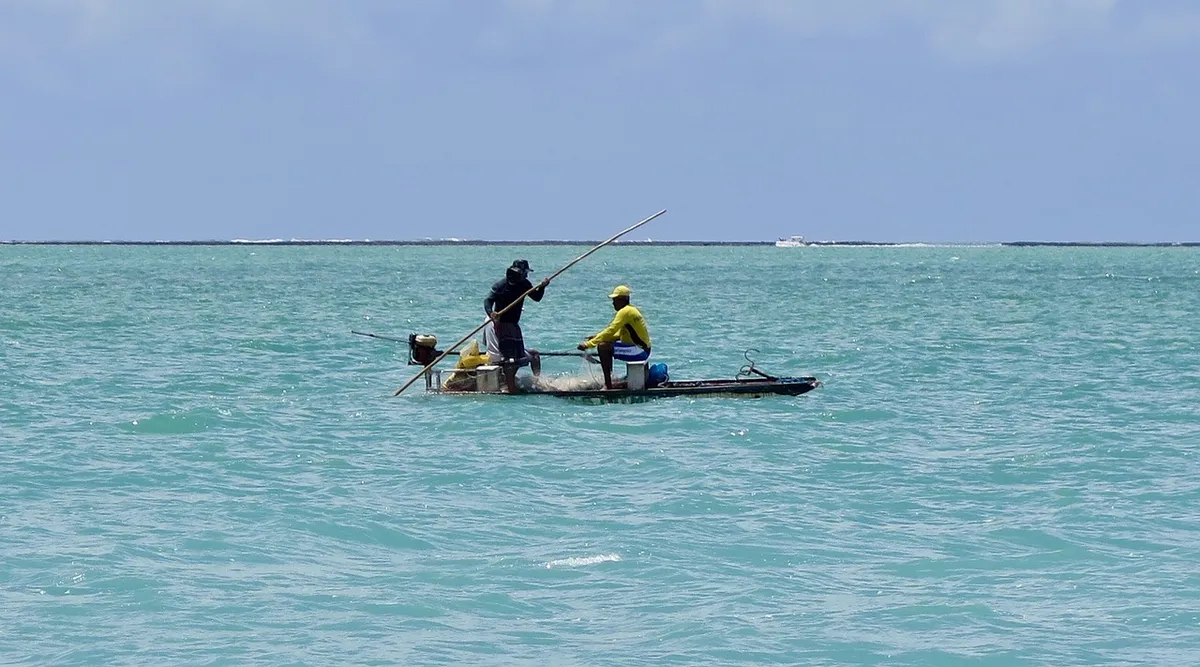
A coastal community gathers at the docks to unload the day's catch, highlighting the human element of the industry. In 2022, small-scale fisheries contributed an estimated 40% of the global catch and supported 90% of the capture fisheries workforce.
This massive human involvement necessitates careful fisheries management rules to ensure social stability.
The livelihoods of millions are tied to these smaller operations. Approximately 500 million people rely on small-scale fisheries for their livelihoods, including 53 million involved in subsistence fishing, of which 45% are women.
These demographic realities must be integrated into any sustainable fishing governance framework.
How does the economic value of finfish compare?
A trader examines market reports, noting the high value of specific aquatic species. In 2024, the most traded aquatic animal products were finfish, which accounted for 68% of the total value. This economic concentration makes the management of finfish stocks a priority for global food security.
Sustainable fishing governance must account for the massive scale of these trades. While finfish dominate the market, other groups like crustaceans represent 22% of the value, and molluscs and other aquatic invertebrates account for 11%.
Managing these diverse groups requires a multifaceted approach to marine ecosystem protection.
How can we manage diverse fishing environments?
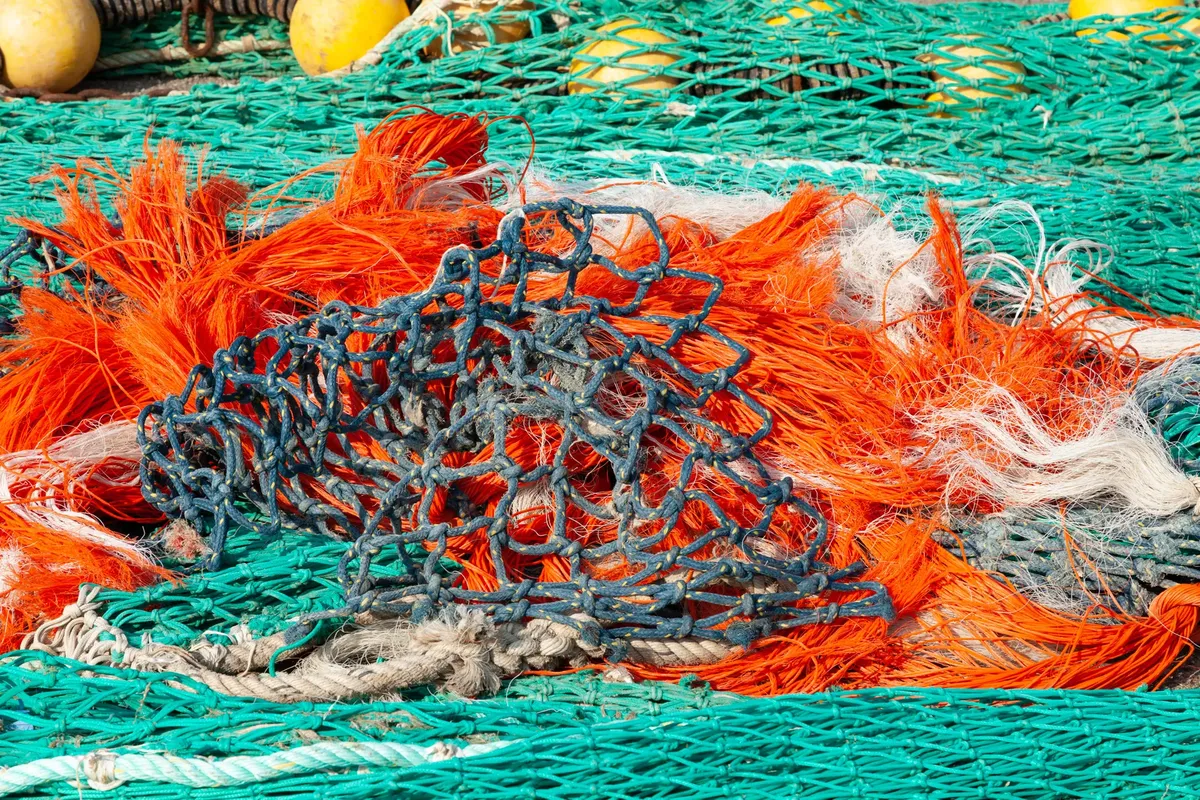
An environmental scientist monitors water quality in a freshwater lake, contrasting it with the vastness of the sea. In 2022, inland fisheries produced 11.3 million tonnes, with the majority harvested in Asia (63.4%) and Africa (29.4%). These regions rely on these waters for critical food security.
Effective management requires a three-step approach: 1. Assess the specific biological limits of the waterbody, whether it is an ocean or an inland lake. 2. Implement monitoring systems to track harvest levels against historical data. 3.
Coordinate with local workforces to ensure the socio-economic needs of the community are met.
A final check involves verifying that harvesting activities do not exceed the replenishment rates of the species being targeted. This balance is the core of any fishery activity control strategy.
- What defines the scope of a fishery?
- How is the catch distributed globally?
- What role do small-scale fisheries play?
The subject here is Fishery law marine ecology.
Sustainable fishing governance
Related
- Global fishery resource management: A guide for success
- Why is the importance of Marine Protected Areas rising?
How does the scale of the activity affect management?
The scale of the activity dictates the necessary management response for a sustainable fishery. Large-scale oceanic operations differ markedly from small-scale inland fishery operations. The biological constraints of the environment must inform the scale of the human activity.
- Freshwater bodies, which constitute about 10% of the total catch volume, require localized management strategies. 2. Oceanic environments, responsible for the bulk of the catch, demand international coordination for policy application. 3. The activity must always respect the replenishment rate of the specific species being targeted.
What is the relationship between the activity and the workforce?
The relationship between the activity and the workforce is critical for social sustainability. Small-scale fisheries provide essential sustenance for a large segment of the global population.
This dependency means that the management of the fishery must address social equity alongside ecological concerns.
The activity supports a significant portion of the global workforce, demonstrating a deep reliance on these resources. This reliance extends to the 500 million people who depend on small-scale fisheries for their sustenance.
Therefore, the management of the fishery cannot be purely ecological; it must also be socio-economically sound.
What are the conditions for successful fishery management?
Successful management hinges on balancing the economic output with the ecological capacity of the marine environment. The activity must move beyond simple harvesting to include long-term stewardship. This stewardship ensures the continuation of the fishery for future use.
The condition for success is the maintenance of a delicate equilibrium between extraction and regeneration. This balance requires that the activity does not degrade the ecosystem upon which it depends.
Monitoring harvest levels against biological limits is a procedural requirement for this condition. This procedural adherence ensures the long-term viability of the fishery.



Comments 0