Nutrient management guide to prevent toxic algal blooms
The health of a freshwater ecosystem depends entirely on managing nutrient levels and temperature to prevent unwanted growth. A biological crash occurs when the natural balance of bacteria and chemical levels is disrupted, often leading to a spike in toxic ammonia.
"A single drop of water can hold an entire universe of life, provided the balance remains undisturbed."
For anyone starting a new aquarium, understanding the delicate relationship between light, water chemistry, and organic matter is the first step toward success.
* Mastering nutrient management prevents toxic algal blooms. * Stable temperatures are vital for sensitive species. * Water quality is the foundation of all successful fish keeping. * Balance between plants and algae requires careful monitoring.
Nutrient: Why do green algae take over so quickly? In the morning I hold nutrient and walk through the next step.
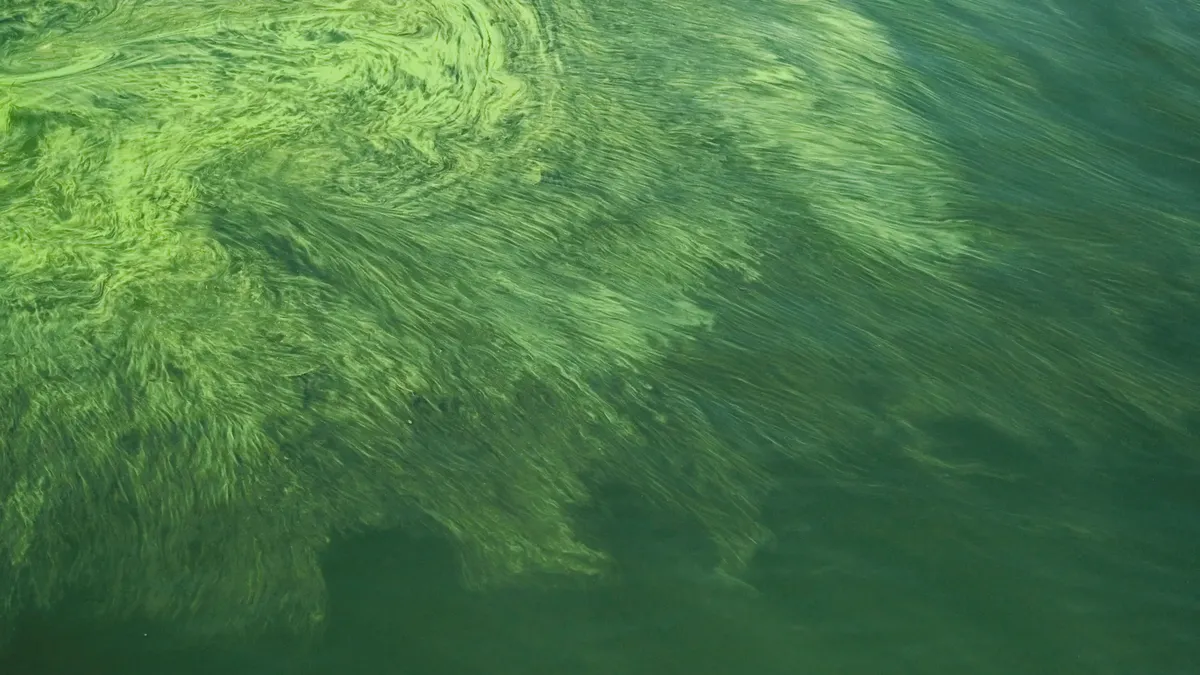
A person stands over a glass tank, watching a fine layer of green film coat the surface of a decorative stone. This sudden shift in appearance often signals a breakdown in the nitrogen cycle or an excess of light.
According to Utah State University in 2019, researchers review environmental conditions leading to harmful algae blooms.
According to the National Ocean Service in 2017, researchers are working on methods to forecast how these blooms occur.
Algae growth is primarily driven by an abundance of nutrients, such as nitrates and phosphates, combined with sufficient light exposure. When these elements are out of balance, opportunistic algae species can colonviize surfaces faster than beneficial plants or fish can manage.
Maintaining a stable environment requires controlling these variables to prevent a total takeover.
The presence of excess nutrients acts as fuel for rapid expansion. According to Alan Steinman of Grand Valley State University, one of the major causes for algal blooms in general is that blue-green algae thrive with high nutrients, along with warm and calm water.
This means that even a small amount of organic waste from uneaten food or fish waste can trigger a massive bloom if the water remains still and warm.
In a home aquarium, this process can happen in a matter of days. If the water temperature rises too high or the light cycle is too long, the algae will outcompete other organisms.
Algae thrive when there is an excess of nutrients and light available in the water column.
How can I maintain clear water in a small tank?
In the evening I hold nutrient and walk through the next step.
A hobbyist carefully dips a siphon into a corner of a small setup, trying to clear out the murky sediment at the bottom. The struggle to keep the water crystal clear is a common frustration for beginners.
As noted by Utah State University in 2019, researchers review environmental conditions that lead to these blooms.

To maintain clear water, you must focus on biological filtration and regular water changes to manage the organic load. Establishing a healthy colony of nitrifying bacteria is essential for processing waste, but it must be paired with physical removal of debris.
Effective maintenance involves several key steps: 1. Perform weekly partial water changes to dilute nitrates. 2. Clean mechanical filter media to remove suspended particles. 3. Vacuum the substrate to prevent the buildup of organic sludge.
Regularly removing waste prevents it from breaking down into the nutrients that fuel algae. If the biological filter is not strong enough to handle the waste, the water will remain cloudy regardless of how much you clean the glass.
A limitation to this approach is that in very small setups, such as nano tanks, the water chemistry can shift much faster than in larger volumes. In these environments, even a minor mistake in feeding can lead to immediate water quality issues that are difficult to stabilize.
- Perform regular partial water changes to remove nitrates.
- Trim overgrown plants to prevent organic buildup.
- Limit daily light exposure to prevent blooms.
What is the relationship between plants and algae?
A hand reaches out to prune a leaf, noticing how the green plant seems to struggle against a coating of algae. The competition for light and nutrients is a constant battle in a planted aquarium. As reported by Monmouth University in 2021, an expert team was led to address harmful algal blooms.
Algae and aquatic plants compete for the same resources: light, carbon dioxide, and nutrients. In a well-balanced tank, plants consume the nutrients that would otherwise feed the algae, effectively acting as a natural filter.
When plants are healthy, they grow rapidly and absorb nitrates efficiently. However, if the plants are dying or growing too slowly, the unused nutrients become available for algae to exploit. This creates a cycle where the algae take over, further shading the plants and causing more plant death.
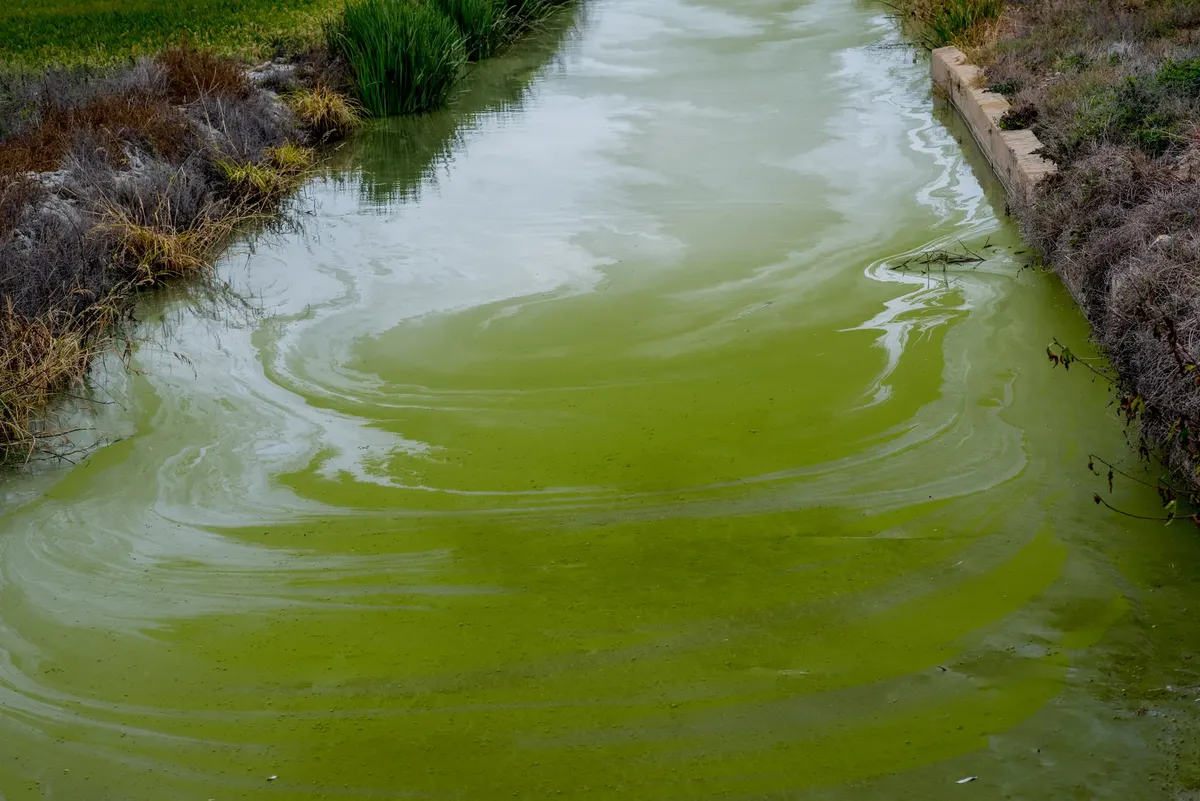
Finding the right balance is the goal of every planted tank enthusiast. If you can keep the plants dominant, the algae will naturally be kept in check.
In this sequence, the second step is the most significant.
How do temperature and light affect my fish?
A thermometer is held against the side of the glass, checking the temperature against the requirements of a specific species. The heat of the room seems to be rising as the afternoon sun hits the tank.
Temperature and light are the two most powerful external drivers of an ecosystem's health. They influence the metabolism of fish and the growth rates of both plants and algae.
Fluctuating temperatures can stress fish, weakening their immune systems and making them more susceptible to disease. Light, while necessary for photosynthesis, can become a problem if the intensity or duration is too high.
If the light is too strong or stays on too long, it can trigger the massive growth of algae that overwhelts the tank.
Managing these factors requires precision: * Use a reliable heater to maintain a constant temperature. * Use a timer to ensure a consistent light cycle. * Monitor light intensity to prevent surface growth.
If the temperature remains too high, it can decrease the oxygen levels in the water, further stressing the inhabitants. This is why maintaining a stable, cool-to-warm environment (depending on the species) is vital.
Fluctuations in temperature can stress fish, while excessive light can trigger algae growth that depletes oxygen levels.
Can I prevent sudden biological crashes?
A person looks at a once-vibrant tank that has suddenly turned cloudy and lifeless, wondering where the balance went wrong. Such a crash can happen overnight, leaving the hobbyist devastated.
As noted by the Centers for Disease Control and Prevention (CDC) in 2016, their system is the only national public health surveillance system in the United States that systematically collects data on harmful algal blooms (HABs) and the human and animal illnesses they cause.
This can be caused by overstocking, sudden temperature shifts, or the death of a large organism in the tank.

To prevent these crashes, it is important to avoid sudden changes. Introducing too many fish at once or a large amount of new plants can overwhelm the existing biological filter.
To build a stable environment, follow these principles: 1. Introduce new inhabitants slowly to allow the bacteria to adjust. 2. Avoid overfeeding to prevent sudden ammonia spikes. 3. Keep a consistent routine for testing water parameters.
I once experienced a crash in a new setup where the ammonia spiked because I added too many fish too quickly. It taught me that patience is just as important as the equipment itself.
Maintaining a stable environment through consistent feeding and filtration is key to preventing crashes.
When I tried the steps in order, the second one is where I paused longest.
This order does not hold, however, when the figure is not 2%.
| Item | Figure |
|---|---|
| 1 | 2% |
| 2 | 70% |
Related






Comments 0