Shrimp Care Guide: Coexistence Tips for Your Tank
In our analysis of the freshwater aquarium hobby, the fascination with crustaceans—specifically shrimp—has transitioned from a niche interest to a cornerstone of modern aquascaping. From practical evaluation, the success of a shrimp-centric tank is rarely determined by the species of shrimp alone, but rather by the delicate equilibrium between the shrimp's biological requirements and the behavioral traits of their tank mates. Unlike many teleost fish, shrimp are highly sensitive to chemical fluctuations and are often viewed as "living bio-indicators" due to their vulnerability to environmental toxins. Understanding the ecological nuances of different shrimp varieties is the first step toward preventing the common heartbreak of sudden mass mortality in a community setup.
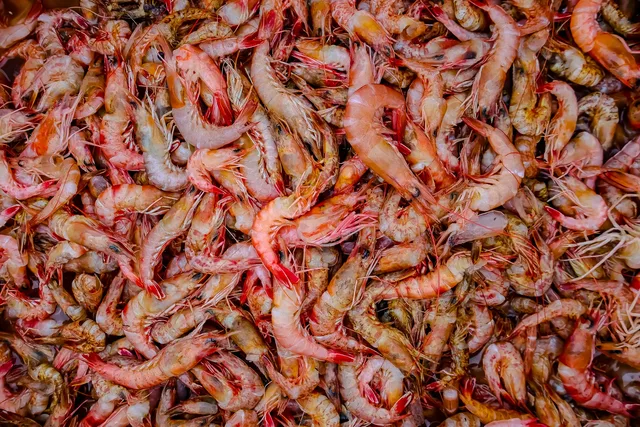
Understanding the Diversity of Ornamental Shrimp
The world of ornamental shrimp is broadly divided into two categories: freshwater shrimp and marine shrimp. For the home aquarist, freshwater varieties are the primary focus due to their manageable salinity requirements. Neocaridina species, such as the popular Cherry Shrimp, are renowned for their hardiness and ability to thrive in varying water parameters. In contrast, Caridina species, including the high-end Crystal Red Shrimp, demand much stricter control over pH and mineral content.
Beyond these, ornamental shrimp serve vital ecological roles in a closed system. They act as "clean-up crews," scavenging organic detritus, biofilm, and decaying plant matter that would otherwise fuel harmful bacterial blooms. However, their small size and relatively slow movement make them susceptible to predation, necessitating a strategic approach to tank composition.
What are the Essential Conditions for Successful Interspecies Coexistence?
The most critical question for any enthusiast is: "Can my shrimp live safely with my fish?" The answer depends on the "mouth-size-to-behavior" ratio. To ensure a successful coexistence, one must evaluate the predatory instinct of the fish species against the defensive capabilities and hiding spots available to the shrimp.
A successful community tank requires a multi-layered environment. Providing dense mosses (such as Java Moss) and intricate driftwood structures is non-negotiature; these provide "refuge zones" where shrimp can molt in peace. During the molting process, a shrimp's exoskeleton is soft, making them extremely vulnerable to even the most "peaceful" fish.
| Feature | Neocaridina (e.g., Cherry Shrimp) | Caridina (e.g., Crystal Red) | Freshwater Prawns (e.g., Macrobrachium) |
|---|---|---|---|
| Water Hardness | Moderate to High | Low to Moderate | Moderate |
| pH Preference | 6.5 – 8.0 | 6.0 – 7.0 | 7.0 – 8.0 |
| Difficulty | Beginner | Advanced | Intermediate |
| Temperament | Peaceful | Peaceful | Aggressive/Predatory |
| Primary Role | Scavenger | Scavenger | Large Scavenger/Predator |
Critical Checklist for Shrimp Tank Stability
Before introducing any new inhabitants, use this checklist to ensure your aquatic environment is prepared for the sensitive nature of crustaceans:
* Water Chemistry Stability: Have you stabilized the GH (General Hardness) and KH (Carbonate Hardness) to match the specific shrimp species? * Filtration Safety: Is your filter intake covered with a fine sponge pre-filter to prevent baby shrimp (shrimplets) from being sucked in? * Toxicity Awareness: Have you ensured that no copper-based medications or pesticides have been introduced recently? * Structural Complexity: Does the tank contain enough biological surface area (moss, stones, wood) for biofilm growth? * Predator Assessment: Are the chosen fish species small enough that they cannot physically consume an adult shrimp?
Ecological Sensitivity and Aquatic Toxicology
One cannot discuss shrimp husbandry without addressing the concept of aquatic toxicology. Because shrimp are often benthic (bottom-dwelling) or highly active scavengers, they are frequently the first organisms to react to pollutants in the substrate or water column. Historically, studies in aquatic toxicology focused on sedentary organisms like oysters and mussels because they cannot flee toxic environments. Similarly, in a closed aquarium, shrimp are highly susceptible to "dose-response" effects where even minute concentrations of heavy metals or nitrates can lead to rapid mortality.
Maintaining high water quality is not merely about clarity; it is about managing the chemical load. The presence of organic waste can lead to fluctuations in dissolved oxygen and pH, both of which are lethal to many crustacean species.
Distinguishing Shrimp from Other Aquatic Invertebrates
It is a common mistake for beginners to confuse ornamental shrimp with other aquatic invertebrates or even certain aquatic insects. For instance, while some aquatic beetles (such as those in the *Dytiscidae* family) may inhabit similar environments, they are predatory insects that require air to breathe, whereas shrimp utilize gills to extract oxygen from the water. Furthermore, while some large prawns may look like shrimp, they often exhibit much more aggressive territorial behaviors that can disrupt a peaceful community tank. Always verify the scientific classification to ensure your "clean-up crew" doesn't turn into a "predator crew."
Frequently Asked Questions
Q: Why do my shrimp die suddenly even though the water looks clear? A: Sudden death is often linked to "acute toxicity" or rapid changes in water parameters. This could be caused by a spike in ammonia, a sudden drop in pH, or the introduction of copper-based medications. Because shrimp are highly sensitive to chemical changes, even a minor fluctuation that a fish might survive can be fatal to a crustacean.
Q: Can I keep Neocaridina and Caridina shrimp in the same tank? A: While technically possible, it is not recommended for serious breeders. They have different optimal pH and mineral requirements. Furthermore, they may interbreed, resulting in offspring that lack the specific color traits of either parent, often resulting in "wild-type" looking shrimp.
Q: Are there any fish that are 100% safe for shrimp? A: No fish is entirely "safe," but very small, peaceful species like certain micro-rasboras or dwarf otocinclus are the best candidates. However, even these fish may occasionally nip at a shrimp during its molting phase, so providing ample hiding spots is essential regardless of the fish species chosen.

Comments 0