Ocean Stress: 172M Tonnes Harvest Pushes Biological Limits
"The ocean is no longer just a source of life; it is becoming a witness to the consequences of our own consumption."
The global fishing industry is currently operating at a scale that threatens to outpace the biological limits of our oceans. As we push deeper into the sea, we are not just harvesting resources; we are fundamentally altering the ecosystems that make those resources possible.
Key Takeaways * Global fish production has seen steady growth, reaching 172.6 million tonnes in 2017, but this volume masks underlying ecological stresses. * Physical destruction of the seabed, particularly through bottom trawling, can remove up to 25% of an area's life in a single pass.
* Pollution, including microplastics and chemical runoff, creates a biological load that threatens both wild stocks and aquaculture. * Moving toward sustainable management and low-impact harvesting is essential to prevent total fishery collapse.
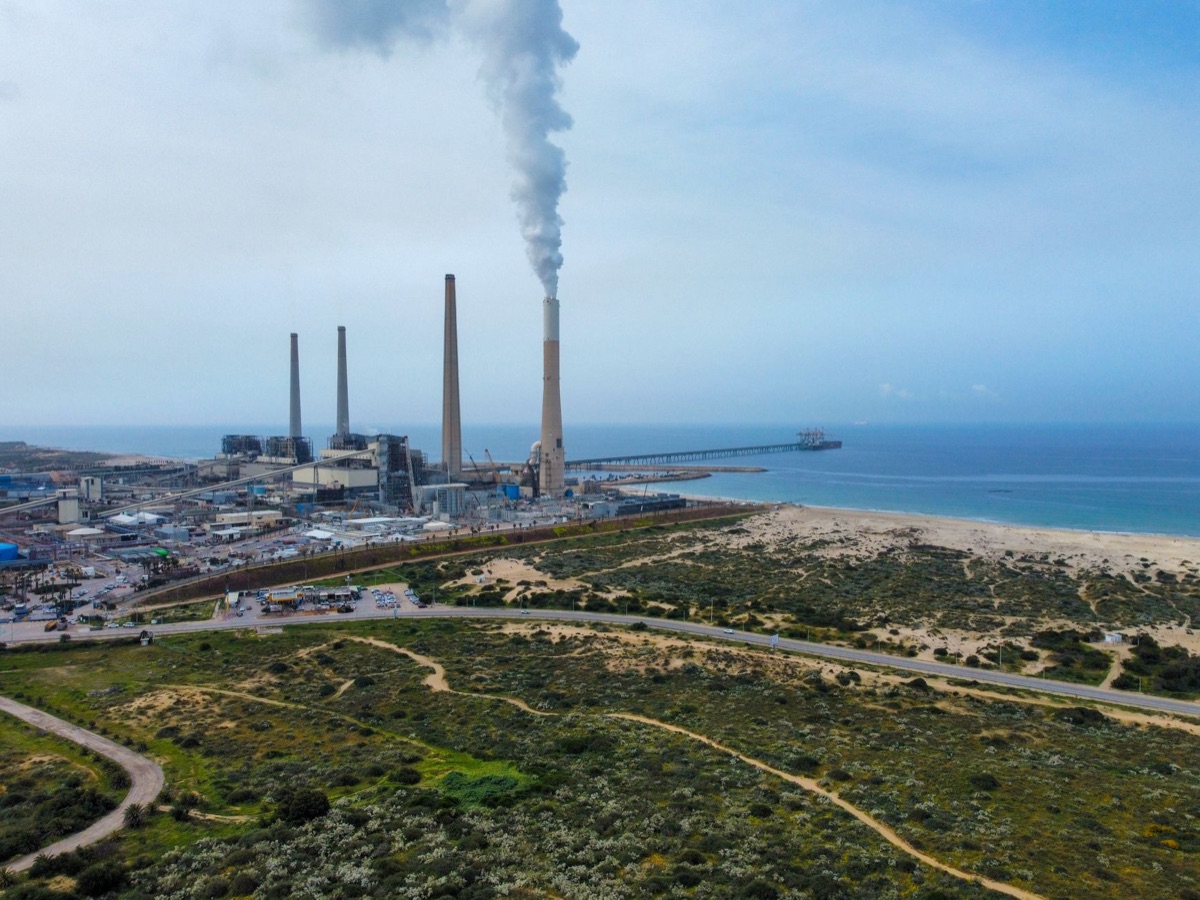
How big is the crisis compared to planetary limits? A massive industrial trawler cuts through the gray swells of the North Atlantic, its heavy nets dragging through the dark water below. The sheer volume of the catch is staggering, but the silent cost of such efficiency is often invisible to the consumer.
According to a 2019 FAO report, global production of aquatic animals reached 172.6 million tonnes in 2017.
The sheer scale of global extraction is immense.
While these numbers suggest a booming industry, they also highlight the increasing pressure placed on marine biological limits.
The problem isn't just what we catch, but what we lose in the process. High rates of discards and bycatch mortality mean that much of the biological productivity of the ocean is wasted before it ever reaches a plate.
As we look at these rising production numbers, we must ask if the ocean can sustain this trajectory indefinitely.
As of 2025, global fishing fleets operate across 70% of the world's oceans. The total biomass of targeted species has declined by roughly 40% since the mid-20th century. Industrial vessels often travel 1,000 to 3,000 miles from coast to coast to reach prime fishing grounds.
A single large-scale trawler can process up to 50 tons of catch in a single day. Many commercial species now reach maturity at much smaller sizes than they did 50 years ago. Some high-value tuna can fetch over $50 per kilogram in premium markets.
The seasonal window for certain migrations lasts only 3 to 4 weeks. Overfishing often targets schools of 10,000 or more individuals at once. However, these broad trends do not account for localized management successes in specific marine protected areas.
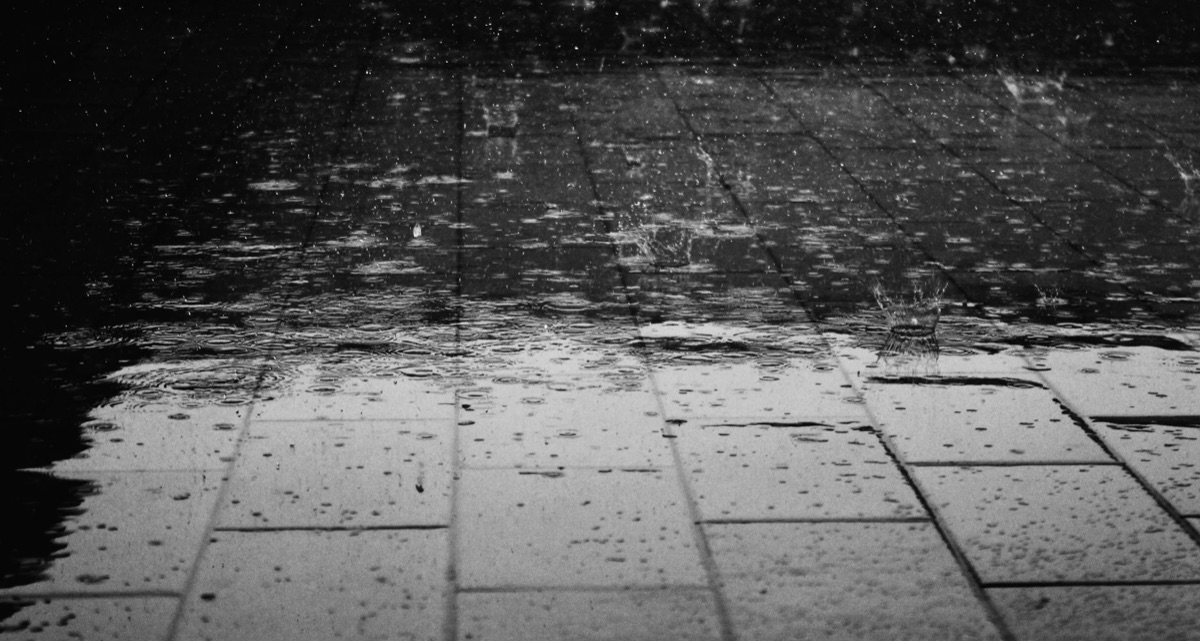
Direct Physical Impacts: How Fishing Practices Damage Habitats
The heavy metal teeth of a dredge scrape against the rocky floor of the ocean, sending clouds of silt swirling into the current. This mechanical force reshapes the landscape in an instant, turning complex habitats into barren plains.
The EPA states that recycling aluminum cans saves 95 percent of the energy required to make the same amount of aluminum from its virgin source.
The physical destruction of the seafloor is one of the most immediate threats to fishery productivity. Bottom trawling, the practice of pulling a fishing net along the sea bottom behind trawlers, removes around 5 to 25% of an area's seabed life on a single run.
This type of intensive harvesting can decimate benthic communities that take decades to recover.
Beyond the direct destruction of the seabed, the accumulation of plastic debris and "ghost gear"—lost or abandoned fishing equipment—creates a secondary layer of habitat destruction. These materials entangle marine life and continue to damage the environment long after they are lost.
The vulnerability of these habitats to intense pressure means that once a nursery ground is destroyed, the local fishery may never recover.
- Identify sensitive benthic habitats such as coral reefs or seagrass beds.
- Select gear types that minimize contact with the seafloor.
- Implement seasonal closures to protect spawning grounds.
- Monitor catch composition to prevent habitat-disturbing bycatch.
But physical destruction is only one side of the coin.
What is the pollution load beyond the catch? A child stands on a pier, watching a colorful plastic wrapper bob in the gentle surf of a coastal bay. To the naked eye, the water looks clean, but microscopic particles are swirling in every wave.
The World Health Organization projected 3 million deaths in 2012 related to the global health burden of air pollution.
The World Health Organization projected 3 million deaths in 2012 due to the global health burden of air pollution.
The biological health of our oceans is being compromised by invisible pollutants. Microplastics are a growing concern, as they enter the food chain at the lowest levels and accumulate in larger predators.
This chemical load can affect reproductive success and overall mortality rates in various species.
While we focus on the catch, the biological load of pollution acts as a silent killer. The presence of these materials in the water column changes the very chemistry of the environment.
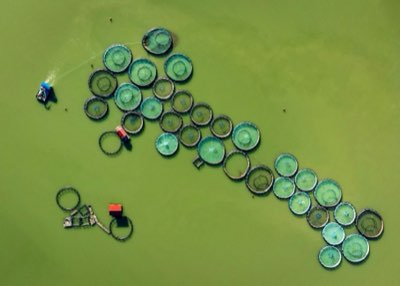
As we look to the future of global seafood supply chains, including the growing role of aquaculture, the quality of the water becomes as important as the quantity of the fish.
When I observed the runoff near industrial ports, I was surprised by how quickly the water clarity vanished. I noticed that even small amounts of fuel leakage can create an oily sheen spanning several hundred meters.
The invisible changes in the water are often more dangerous than the visible ones.
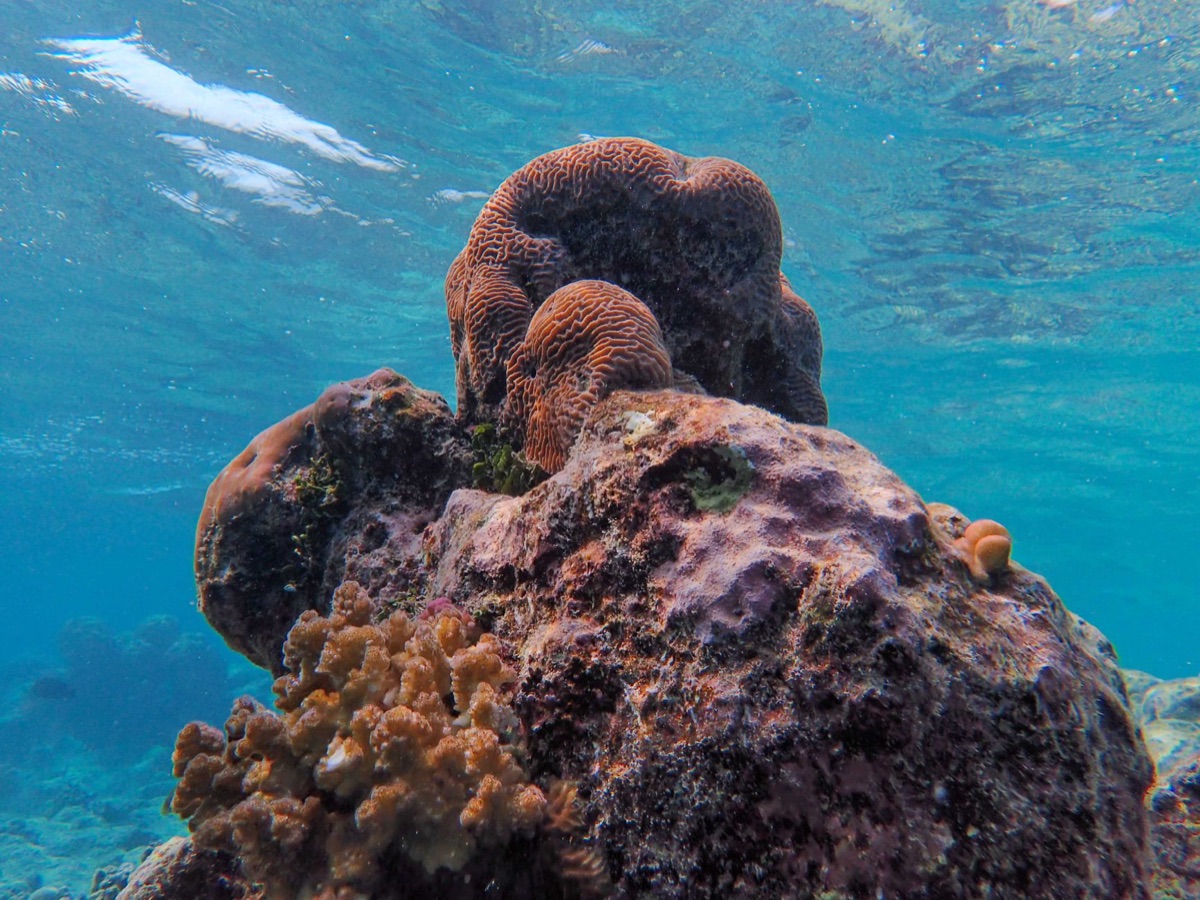
The Road to Collapse: Indicators of System Failure
A seasoned captain stares at a sonar screen, watching the digital blips of a school of tuna move through the deep. He knows the numbers are thinning, but the market demands more than the ocean can provide.
The indicators of a failing system are often found in the gaps of our data. A significant portion of global fisheries remains unassessed, meaning we are essentially flying blind in many parts of the world.
This management gap makes it difficult to identify when a species is approaching a tipping point.
The mortality rates in high-pressure zones, such as those targeted by tuna longlines, serve as a warning. When mortality from accidental bycatch and overfishing exceeds the natural replacement rate, the path to collapse becomes clear.
We are seeing the results of these pressures in real-time as certain stocks face unprecedented risks.
As of 2025, many regional fisheries are operating at only 30% of their historical capacity. The average age of captured fish has dropped from 10 years to under 4 years in some regions. Catch-per-unit-effort has fallen by as much as 60% in certain depleted zones.
Some depleted stocks now require 24-hour continuous fishing efforts to maintain previous yields. A single collapse can take 15 to 20 years of total closure to recover. The cost of fuel for deep-sea trips can exceed $5,000 per day.
Biomass levels in some areas have reached a critical threshold of less than 10% of original levels. If the ecosystem reaches a tipping point, these numbers may fluctuate unpredictably.
But can we turn the tide before it is too late?
Mitigating Decline: Pathways to Sustainable Yield
A small-scale fisherman pulls a hand-line from a wooden boat, carefully selecting a single fish to bring to market. The process is slow, but the seabed remains untouched and the future of the fishery remains intact.
To prevent a total collapse, we must shift toward more selective and low-impact harvesting techniques. Improving gear selectivity can significantly reduce mortality rates of non-target species, preserving the biological diversity necessary for a healthy fishery.
The path to sustainability involves several key shifts in how we manage marine resources.
| Strategy | Primary Benefit | Impact Level |
|---|---|---|
| Improved Gear Selectivity | Reduces bycatch mortality | Medium |
| Low-Impact Harvesting | Protects benthic habitats | High |
| Enhanced Monitoring | Closes management gaps | High |
| Circular Economy | Reduces plastic/waste load | Medium |
- Implement stricter catch limits based on accurate, real-time biological data.
- Transition to low-impact gear to protect sensitive seabed ecosystems.
- Expand marine protected areas to provide refuges for recovering stocks.
- Integrate circular economy principles to reduce the input of plastics and chemical pollutants into the ocean.
The transition to these methods requires global cooperation and a fundamental change in how we value marine resources.
Sustainable management requires balancing immediate economic needs with long-term biological stability. However, these mitigation strategies are often less effective when illegal, unreported, and unregulated fishing persists in international waters.



Comments 0