Global fishery resource management: A guide for success
"The ocean remains a vast and shifting landscape, where the boundaries of jurisdiction often clash with the movement of life beneath the waves."
Global fishery resource management requires a delicate balance between economic needs and ecological preservation. This guide explores the complexities of international cooperation, the lack of standardized definitions, and the principles necessary for sustainable oversight.
Key takeaways include the importance of the FAO Code of Conduct, the necessity of working principles, and the challenges of defining management in a changing environment.
What defines global fishery resource management?

At the wooden desk, a researcher brushes a hand over the paper while pondering the complexities of global oversight.
A researcher sits at a wooden desk, scanning various maritime treaties and biological reports. The search for a single, unified way to describe the oversight of aquatic life often leads to dead ends.
According to the Food and Agriculture Organization of the United Nations (FAO) in the 2001 Guidebook to Fisheries Management, there is currently "no clear and generally accepted definitions of fisheries management." This ambiguity complicates how nations negotiate quotas and territorial rights.
Without a baseline, establishing shared ocean governance becomes a constant struggle between sovereign interests and ecological reality.
It involves the coordinated oversight of aquatic biological resources to ensure long-term availability and ecological balance across different maritime boundaries.
How do nations measure their success in managing fish stocks?
A group of analysts reviews data from various coastal regions, comparing harvest numbers against historical trends. They look for deviations that might indicate overfishing or environmental shifts.
In 2005, the UBC Fisheries Centre at the University of British Columbia comprehensively reviewed the performance of the world's major fishing nations against the Code. This review highlighted how different countries interpret responsibility.
Such historical comparisons help clarify the effectiveness of various quota agreement success strategies across different maritime zones.
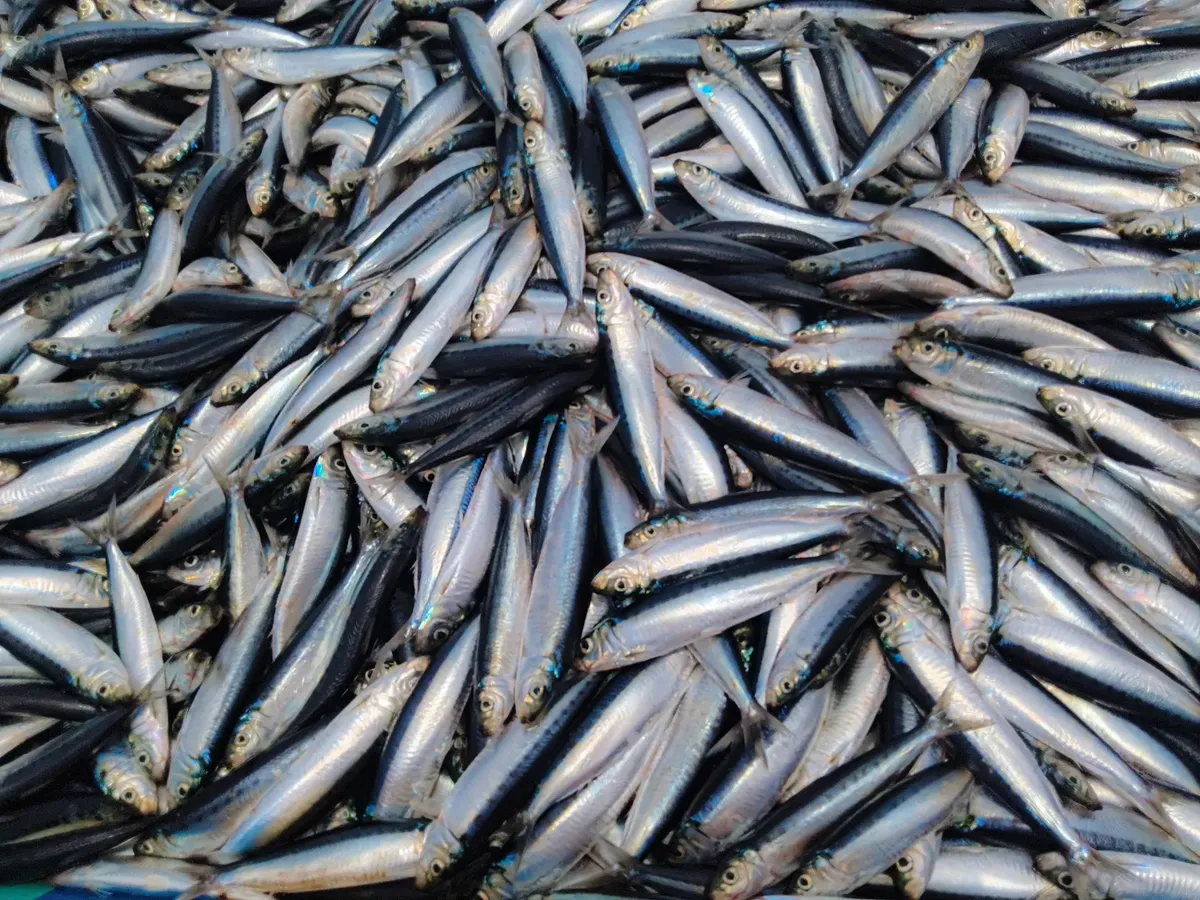
Success is determined by the stability of biomass levels, the consistency of harvest yields, and the ability to maintain healthy population age structures over time.
What principles guide the management of a fishery?
A manager holds a printed guidebook, marking sections that deal with biological limits and social impacts. The focus remains on long-term stability rather than immediate gain.
A Fishery Manager's Guidebook issued in 2002 by the FAO advises that a set of working principles should be applied to "highlight the underlying key issues" of fisheries management. There are 8 principles that should be considered as a whole in order to best manage a fishery.
These core tenets ensure that future fish stocks are not depleted by short-term political or economic pressures.
Core principles include the prevention of overfishing, the protection of biodiversity, and the equitable distribution of resources among stakeholders.
How is regional management supported by science?
A scientist examines a digital map of ocean currents and migratory paths, overlaying data on temperature and salinity. The goal is to understand the broader environment.
The 2009 Report to Congress regarding the State of Science to Support an Ecosystem Approach to Regional Fishery Management notes the importance of integrated scientific data. This approach moves beyond single-species management to consider the entire environment.
By focusing on these complex interactions, planners aim to secure sustainable fishing pacts that account for the health of the entire ecosystem.
Biological data and environmental monitoring provide the necessary foundation for setting catch limits and identifying critical habitats.
What rules govern international fishing waters?

A diplomat adjusts a microphone during a high-level meeting, where representatives from various nations gather to discuss maritime law. The atmosphere is professional yet tense.
Where countries are members of the FAO, management rules should be based on the international, non-binding Code of Conduct for Responsible Fisheries, first established at the 1995 FAO meeting. This framework provides a common language for nations to follow.
While non-binding, it serves as a foundation for international fishery aid and coordinated efforts to prevent the collapse of shared stocks.
International maritime laws and treaties establish frameworks for jurisdictional boundaries and the shared use of high-seas resources.
How can we implement effective management steps?
A field officer checks the equipment on a research vessel, ensuring all sensors are calibrated for the upcoming survey. The team prepares for a systematic data collection process.
To apply the principles of effective oversight, follow these structured steps:
- Identify the specific biological and socio-economic issues using the established working principles. 2. Align national activities with the international Code of Conduct for Responsible Fisheries to ensure consistency. 3. Integrate scientific data to support an ecosystem-based approach to regional management.
A final check involves verifying that all actions align with the holistic view of the eight principles established in the 2002 guidebook. This ensures that localized actions contribute to the stability of the entire fishery.
| Management Concept | Primary Source/Context |
|---|
| National Performance Review | 2005 UBC Fisheries Centre |

I found that comparing these historical reviews helps clarify why current management strategies vary so significantly between nations.
One limitation of these frameworks is that the lack of a clear, universally accepted definition for fisheries management can lead to inconsistent application of rules across different maritime territories.
- Establish baseline population data to understand current stock levels.
- Set sustainable harvest quotas based on biological recovery rates.
- Monitor fishing activities to ensure compliance with established limits.
The subject here is Global fishery resource management.
The same subject is also called Ocean resource cooperation.
The same subject is also called Fish market trends.
Shared ocean governance
Related




Comments 0