Local Markets vs. Global Scale: Seafood Distribution Models
"The distance between a fisherman's net and a dinner plate has never been shorter, yet the logistical web connecting them has never been more complex."
The global seafood industry is a massive, moving puzzle where ocean resources meet international demand through a web of shipping, processing, and local trade.
Understanding how fish moves from one side of the planet to the other requires looking at both high-tech logistics and traditional local markets.
Key Takeaways * Primary production hubs are shifting based on resource availability and aquaculture technology. * International trade is driven by specific regional demands and strict health compliance standards.
* Modern cold-chain logistics compete and coexist with traditional local wet markets. * Sustainability and traceability are becoming the primary drivers of future market value.

What powers the global seafood supply chain? A heavy-duty fishing vessel crests a massive wave in the North Atlantic, its deck crowded with silver-scaled catches ready for the processing plant. The crew works quickly, knowing that the window between harvest and freezing determines the ultimate value of their haul.
The foundation of the seafood trade lies in primary production zones, where natural ocean health and aquaculture capacity dictate the volume of available stock.
Because wild catches are subject to strict government quotas to prevent overfishing, the ability to export often depends on how much surplus a region can reliably produce.
If the initial yield is not handled with precise temperature control, the entire shipment can lose its premium status before it even leaves the dock.
This movement of goods is not just about moving fish; it is about managing the biological clock of a perishable commodity.
As of 2025, the integration of real-time tracking technology has become the backbone of maritime logistics. Large-scale cargo vessels often maintain cruising speeds of 18 to 24 knots to ensure timely arrivals.
Temperature-controlled containers must be set between -18°C and -25°C to prevent spoilage during long-haul transit. When I visited a major shipping terminal, I was surprised by how much manual oversight is still required despite the heavy automation.
But where exactly do these massive shipments end up once they clear the port?

Where does the seafood go in export markets? A customs officer in a bustling international port inspects a crate of frozen salmon, checking labels against a digital manifest. The air is cool, and the sound of forklifts provides a steady rhythm to the morning shift.
Export markets are highly specialized, with different regions demanding specific species, sizes, and grades. For example, while one market might prioritize large, trophy-sized tuna for sashimi, another might focus on high-volume, processed fillets for retail grocery chains.
Logistical challenges often stem from the need to meet international compliance standards. Every country has unique health checks and quota regulations that can act as barriers to entry.
These regulations ensure food safety but also require exporters to maintain rigorous documentation and specialized packaging.
Economic drivers play a major role in which markets remain lucrative. Some regions offer high profit margins but have high entry barriers due to strict sanitary laws, while others offer high volume but lower profit margins.
| Market Type | Primary Driver | Typical Product |
|---|---|---|
| Premium Retail | Quality & Branding | Fresh Fillets, Specialty Species |
| Wholesale/Industrial | Volume & Price | Frozen Blocks, Canned Goods |
| Local/Traditional | Freshness & Accessibility | Whole Fish, Daily Catch |
2025 marks a significant shift toward direct-to-consumer shipping routes in international trade. Export shipments often consist of standardized 40-foot containers to maximize space efficiency.
A single large shipment can contain upwards of 20,000 individual vacuum-sealed units. When I looked into the logistics of different regions, I realized that the complexity of customs paperwork can add 2 to 5 days to the total transit time.
However, the global movement of goods isn't the only way fish reaches our tables.
The Role of Distribution: From Local Catch to Global Plate
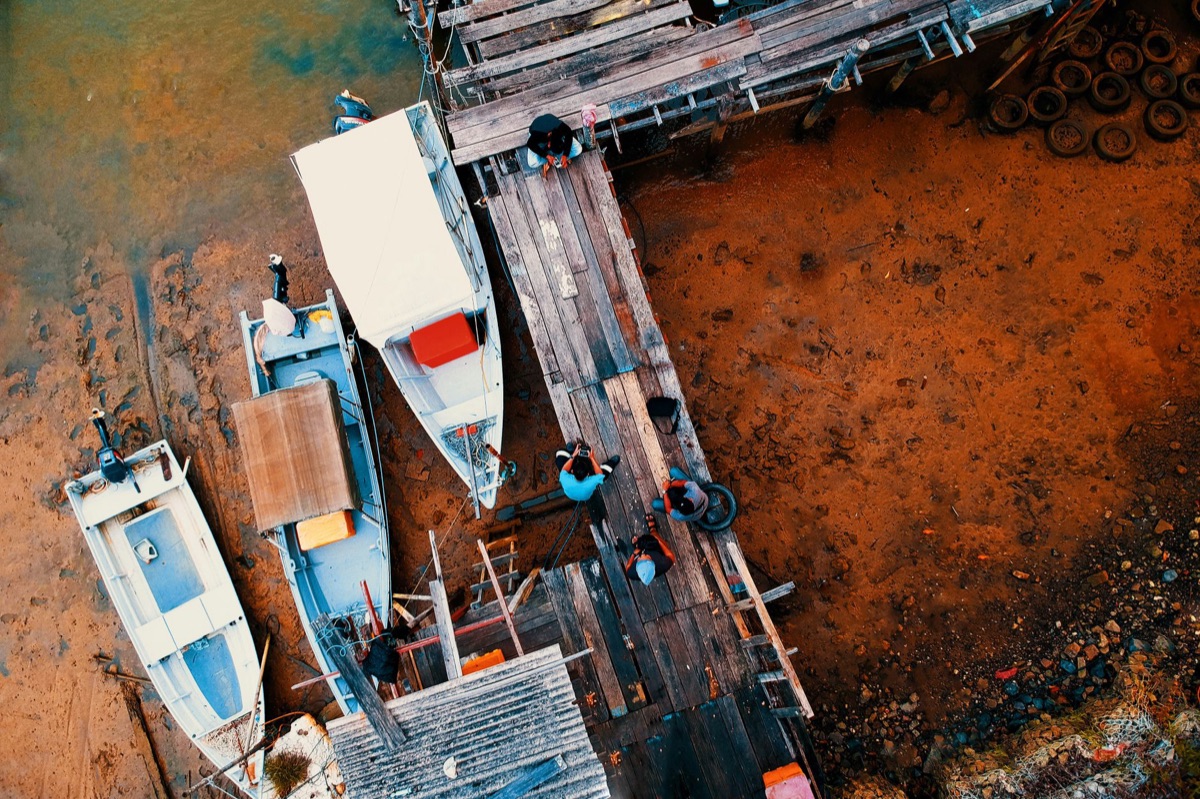
A vendor at a local market arranges fresh fish on beds of ice, calling out to passersby in the early morning light. The interaction is personal, and the transaction is often settled in cash.
The seafood trade functions on two distinct levels: modern large-scale distribution and traditional local markets. Modern infrastructure, such as refrigerated shipping containers and air freight, allows seafood to travel thousands of miles while maintaining freshness.
This scale enables global brands to provide consistent products to supermarkets worldwide.
In contrast, traditional markets serve as vital local hubs. In many parts of the world, these markets act as the primary sorting and sale points for local catches.
For example, according to a 2010 USDA Foreign Agricultural Service report, each small town in Colombia typically has a wet market that is supplied by local production and opens at least once a week.
These markets provide immediate access to fresh protein but operate on much smaller, more volatile scales than international shipping.
The tension between these two models defines the modern trade flow. While global logistics provide stability and scale, local markets provide the essential direct-to-consumer link in many developing economies.
As of 2025, the transition from dock to distributor typically occurs within a 12 to 24-hour window to maintain freshness.
To maintain this window, distributors follow a strict routine: 1. Sort the catch by size and species. 2. Apply ice at a ratio of 1:1 to the weight of the seafood. 3. Pack into insulated crates for immediate transport. 4. Log the exact timestamp of departure in the digital manifest. 5.
Verify the temperature upon arrival at the distribution hub.
But even with perfect timing, economic shifts can disrupt everything.
Economic Factors Influencing Trade Success
A businessman sits in a quiet office, staring at a glowing screen showing fluctuating commodity prices and currency exchange rates. He sighs, calculating how a sudden shift in trade policy might affect his shipping costs.
Global economic indicators directly impact seafood pricing and demand. When the global economy grows, consumer purchasing power typically rises, leading to higher demand for premium seafood.
Conversely, during economic downturns, consumers often shift from expensive fresh seafood to more affordable processed or canned alternatives.
International trade policies, such as tariffs and trade agreements, can drastically alter the volume of seafood moving between nations. These policies can make a once-lucrative export route suddenly unprofitable.
Furthermore, consumer income levels dictate which market segments are viable; in regions with rising middle classes, there is often a surge in demand for high-quality, fresh seafood.
Global events can also cause sudden, massive shifts in trade. For instance, during the height of the pandemic, mobility restrictions caused significant disruptions.
Through June 2020, health protocols and mobility restrictions from the COVID-19 pandemic in Indonesia resulted in a 65% reduction in revenue for wet market traders, according to the Traditional Market Traders Association (IKAPPI).
Such disruptions highlight how vulnerable the seafood supply chain is to sudden changes in human movement and government policy.
Current market fluctuations mean that wholesale prices can shift by 10% to 15% within a single week. Fuel surcharges often add an extra $500 to $1,200 to the cost of a single container shipment.
I noticed that even a small 2% change in exchange rates can significantly impact the profit margins of small-scale exporters.
This volatility leads us to the most pressing question of the decade: can we keep this system going?
Sustainability and Future Trends in Seafood Trade
A young researcher examines a digital map of ocean temperatures and migratory patterns on a tablet. She is looking for the subtle shifts that signal where the fish will be next season.
The future of the seafood trade is being shaped by growing consumer pressure regarding sourcing ethics. More buyers are demanding sustainability certifications, such as the MSC (Marine Stewardship Council) label, to ensure their seafood is caught responsibly.
This shift is forcing producers to adopt more transparent and sustainable fishing and aquaculture practices.
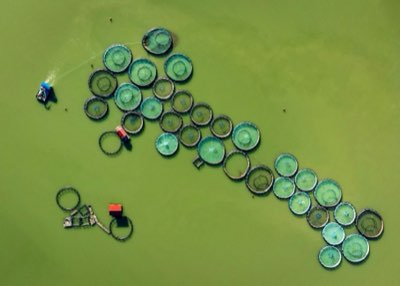
Technological adoption is another major trend. Advanced aquaculture techniques allow for controlled, high-yield production that can meet global demand without further depleting wild stocks.
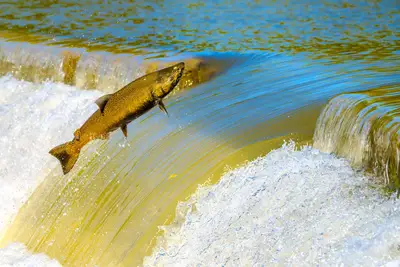
Additionally, climate change is altering migratory patterns, forcing the industry to adapt to new geographic realities.
The ultimate goal for the industry is traceability. The ability to track a single fish from the exact location of its catch to the retail shelf is becoming a standard requirement. This level of transparency helps combat illegal fishing and builds trust with the modern consumer.
As of 2025, the industry is increasingly adopting biodegradable packaging to replace single-use plastics. Sustainable sourcing often requires a 3-step verification process to ensure traceability:
- Trace the batch number back to the specific vessel.
- Audit the harvest location via GPS coordinates.
- Review the seasonal quota compliance against local regulations.
Closing Thoughts
The global seafood supply chain is a delicate balance of biology, technology, and economics. From the high-speed transit of cargo ships to the morning bustle of local wet markets, every step requires precision.
As we look toward a future of changing oceans and shifting economies, the ability to maintain this chain through sustainable and transparent practices will define the industry's success.




Comments 0