Pet fish breeding impact: 4.1 percent Tips for aquatic life
"The health of our oceans and inland waters depends on the careful management of how we interact with aquatic life."
Understanding the impact of ornamental fish breeding requires recognizing how large-scale aquatic production influences global ecosystems. This guide explores the risks of pet fish breeding impact and how managing fish breeding risks protects natural habitats.
Key takeaways include monitoring global production trends, understanding the scale of aquatic consumption, and recognizing the massive growth in aquaculture.
Why does pet fish breeding impact matter?
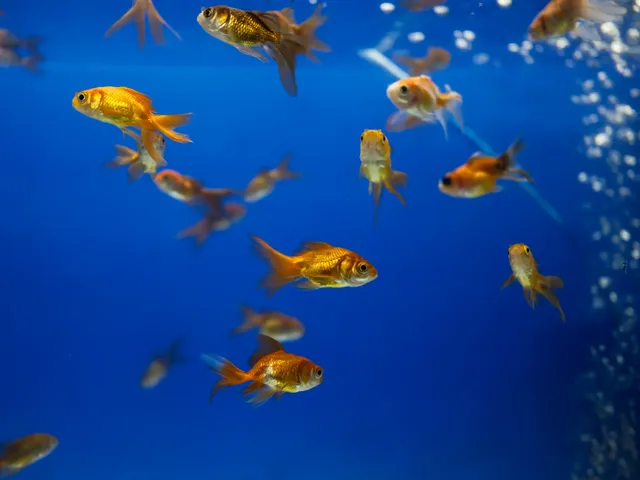
At dawn, I watch the golden fish flicker through the reeds while the cold mist stings my skin.
A hobbyist carefully pours flakes into a glass tank, watching a bright neon tetra dart between plastic plants. This small action represents a massive global movement where aquatic animal production is constantly shifting.
According to the United Nations Food and Agriculture Organization, global consumption of aquatic animals in 2022 was 185 million tonnes (live weight equivalent), which represents a 4% increase from 2020.
As people seek new species, the pressure on natural aquatic environments increases.
The scale of this industry is significant for ecological stability. According to a 2019 FAO report, global production of fish, crustaceans, molluscs and other aquatic animals reached 172.6 million tonnes in 2017, an increase of 4.1 percent compared with 2016.
This growth highlights the sheer volume of aquatic life moving through global trade systems.
How do aquarium breeding effects change water safety?
At midnight, I dip my hand into the murky tank to feel the fish swim through the gritty sand.
A scientist adjusts the flow of a stream, measuring the temperature and clarity of the water. The introduction of non-native species can alter these delicate balances. When ornamental species are released, they can disrupt the local biotic integrity of specific regions.
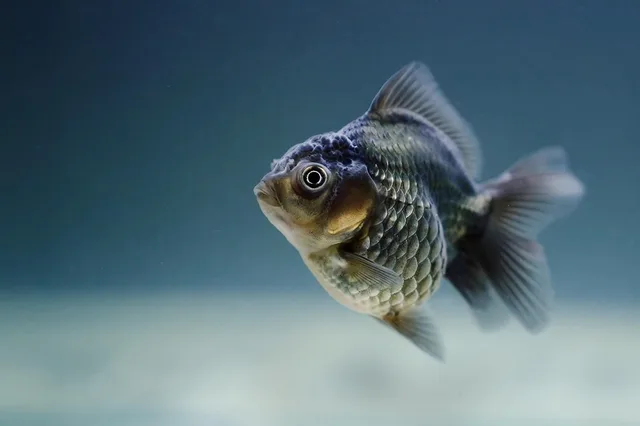
The sheer volume of aquatic animal consumption is a driver for these ecological shifts. The United Nations Food and Agriculture Organization estimates that global consumption of aquatic animals in 2022 was 185 million tonnes, an increase of 4% from 2020.
This rising demand drives the need for both wild catches and intensive breeding systems.
According to Food and Agriculture Organization, the 2032 record includes 205 million.
What are the fish propagation ecology risks?
A researcher tracks the movement of species across a map, noting how their ranges shift over time. As breeding increases, the risk of invasive species entering new territories grows. This can lead to significant changes in the biodiversity of local freshwater and marine systems.
The scale of production is expected to continue rising. The United Nations Food and Agriculture Organization projects world production of aquatic animals to reach 205 million tonnes by 2032.
This massive volume suggests that the impact of breeding and harvesting will only become more pronounced in the coming decade.
How can we manage ornamental fish risks?
A manager reviews logs of water quality and species lists in a large facility. To prevent environmental damage, it is vital to ensure that no breeding species are introduced into local waterways. Effective management requires strict adherence to containment protocols.
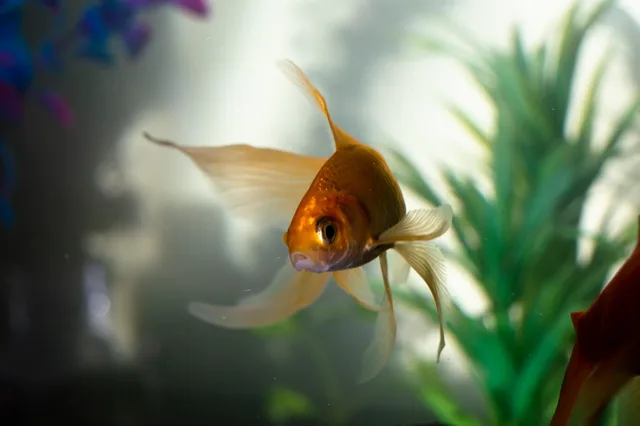
The complexity of these systems is reflected in the data. According to a 2019 FAO report, global production of fish, crustaceans, molluscs and other aquatic animals reached 172.6 million tonnes in 2017.
Managing these vast quantities requires an understanding of how species interact within their environments.
How is the ecosystem effect of fish measured?
An ecologist collects water samples from a remote creek to check for invasive traits. Measuring the health of these systems involves looking at how specific species impact the broader food web. These metrics help scientists understand if breeding and fishing are causing long-term shifts.
Data shows that the distribution of species is changing. According to a study in the Proceedings of the Iowa Academy of Science, the distribution of fishes in certain waters has undergone shifts over the last 30 years.
These changes are often a consequence of climate change and increased human activity.
What are the steps for managing fish breeding risks?
A breeder checks the seals on a transport container before shipping a new specimen. To minimize ecological impact, follow these protocols:
- Inspect all equipment for existing organisms before introducing new species. 2. Implement strict containment for all breeding tanks to prevent accidental leaks. 3. Verify that no non-native species are released into local water bodies.
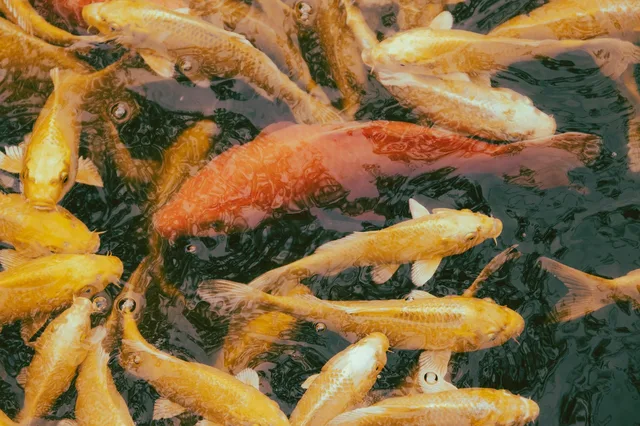
I have personally observed how a single oversight in a tank seal can lead to a massive loss of biodiversity in a small pond. This single mistake can compromise the entire ecosystem. This approach is necessary because the scale of the industry is massive.
| Metric | 2017 Value | 2022 Value |
|---|---|---|
| Global Production (Million Tonnes) | 172.6 | 185 (Consumption) |
A limitation to these management strategies is the difficulty of monitoring every small-scale hobbyist tank.
- Why does pet fish breeding impact matter?
- How do aquarium breeding effects change water safety?
- What are the fish propagation ecology risks?
The subject here is Pet fish breeding impact.
The same subject is also called Breeding system impact.
This part also covers Care during fish reproduction.
Related
- Seaweed production guide: Fish breeding carbon cycle tips
- Marine fish breeding guide: Coastal habitats face 50% loss
How does production growth influence the oceans?
Increasing production volumes directly impact the health of the oceans and inland waters. As the global production of aquatic animals rises toward the projected 205 million tonnes, the scale of these interactions grows.
This trend necessitates closer monitoring of how breeding and harvesting affect biodiversity.
- Monitor the growth of aquatic production to assess ecological pressure. 2. Compare current consumption rates with historical data to identify trends. 3. Evaluate the impact of non-native species on local biotic integrity.
Comparing the 2017 production of 172.6 million tonnes to the 2022 consumption of 185 million tonnes shows a significant increase in aquatic animal use. This comparison highlights the growing demand that drives both wild catches and intensive breeding systems.

Comments 0