Seaweed production guide: Fish breeding carbon cycle tips
"The ocean provides a natural engine for carbon storage, yet the way we harness its growth determines if we stabilize or disrupt this delicate balance."
This guide focuses on understanding global production patterns, economic impacts in regions like the Philippines, and the legislative landscape for commercialization.
* Global leaders in seaweed production include China and Indonesia. * Seaweed accounted for 30% of marine aquaculture in 2019. * Economic yields in the Philippines can significantly exceed local agricultural wages. * Legislative frameworks in the UK are being developed to aid commercialization.
How does seaweed production influence the global carbon cycle?
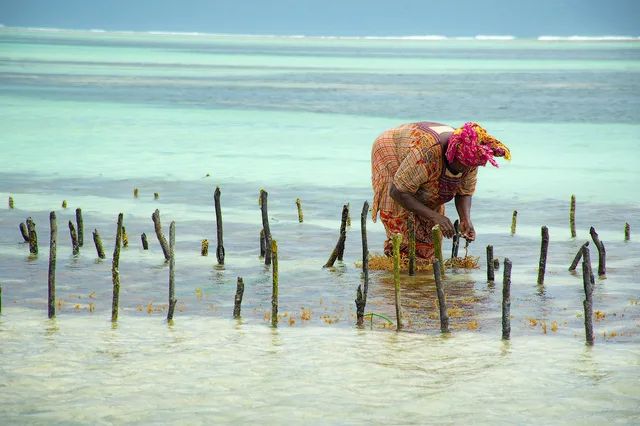
At dusk by the shoreline, I feel the cold spray on my skin while watching the seaweed sway through the deep blue water.
Seaweed contributes approximately 16–18.7% of the total marine-vegetation sink.
Managing carbon in fish yield and seaweed growth is essential because covering 9% of the world's oceans with kelp forests could produce sufficient biomethane to replace all of today's needs in fossil fuel energy, while removing 53 billion tons of CO2 per year from the atmosphere, restoring pre-industrial levels.
The potential for carbon sequestration is immense. According to one study, these vast forests could stabilize the atmosphere by removing massive amounts of CO2.
However, without explicit human support, seaweed has been expanding its footprint across the oceans, accelerating beginning in 2008-2010, increasing 13.4%/yr since then.
Which nations lead in seaweed production?
At sunrise on the rocky coast, I reach into the salt spray to grab a heavy strand of seaweed.
A farmer inspects a thick, green strand floating in the salt water. As of 2022, the largest seaweed-producing countries are China (58.62%) and Indonesia (28.6%). They are followed by South Korea (5.09%) and the Philippines (4.19%). These nations dominate the global market share.
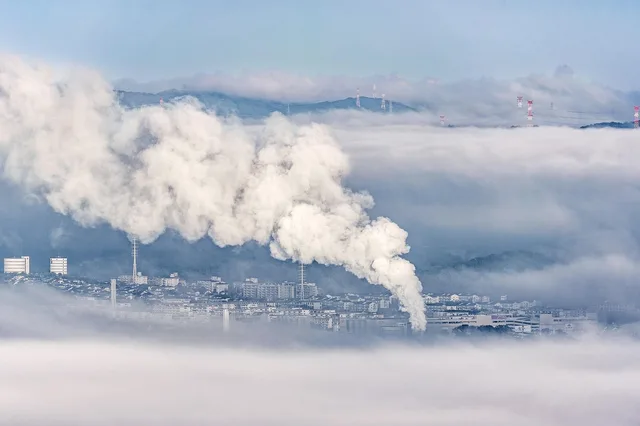
Other notable producers include North Korea (1.6%), Japan (1.15%), Malaysia (0.53%), Zanzibar (Tanzania, 0.5%), and Chile (0.3%). The diversity of these producers impacts how marine fish stock control is managed across different maritime borders.
What is the economic impact of seaweed farming?
Midday sun beats down on my neck as I pull the heavy seaweed from the churning waves.
A technician weighs a fresh harvest of Eucheuma in a coastal village. In the Philippines, a study reported that plots of approximately one hectare could produce net income from Eucheuma farming that was 5 to 6 times the average wage of an agriculture worker.
This represents a significant economic opportunity for local communities.
In Indonesia, seaweed farms account for 40 percent of the national fisheries output and employ about one million people. This level of production is vital for national economies. Notably, 90% of the farmers are women, and much of it is used by the skincare and cosmetics industry.
| Region | Key Production Metric |
|---|---|
| Philippines | 1 hectare income = 5 to 6 times average agricultural wage |
| Indonesia | 40 percent of national fisheries output |
How can we achieve commercial seaweed growth?
A lawmaker reviews a new draft of environmental regulations. In 2025, the Food Policy Institute recommended a series of policies that would aid with commercialising seaweed growth in the United Kingdom. These policies aim to bridge the gap between small-scale farming and industrial viability.
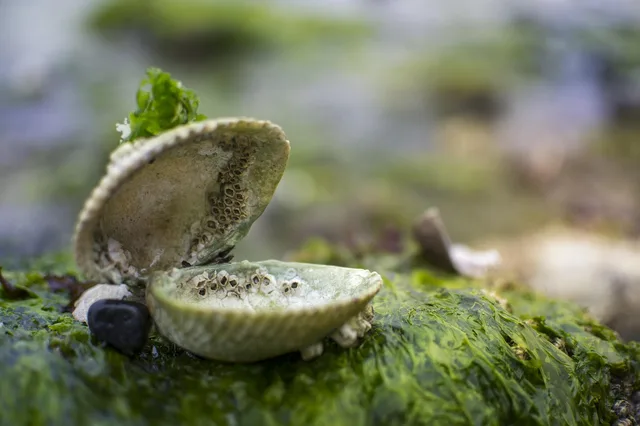
According to the Food Policy Institute, in 2025 the organization outlined the legislative steps that would be required to make seaweed cultivation commercially viable in the UK.
Additionally, in 2025, the Food Policy Institute outlined the legislative steps that would be required to make seaweed cultivation commercially viable in the UK. Establishing these frameworks is a key step for techniques for fish breeding and seaweed cultivation.
What are the risks to seaweed stability?
A researcher tracks a sudden decline in species density in the water. In the Philippines, a 15 percent reduction in one species appeared in 2011 to 2013, representing 268,000 tonnes of seaweed. Such fluctuations can disrupt the local marine ecosystem.
Seaweed can reach 60 m (200 ft) in length and grow as rapidly as 50 cm (20 in) a day. While this rapid growth is beneficial for biomass, sudden shifts in population can alter the harvest yield carbon flow. One must monitor these changes to ensure long-term sustainability.
How is seaweed processed into energy?
A technician manages an anaerobic digester at a processing facility. After harvesting seaweed is decomposed into biogas (60% methane and 40% carbon dioxide) in an anaerobic digester. This process turns organic matter into a usable energy source.
The transition from seaweed to biogas involves several stages: 1. Harvest the seaweed from the designated marine plots. 2. Transport the biomass to an anaerobic digester. 3. Decompose the material to capture methane and carbon dioxide. 4. Verify the gas composition for energy production.
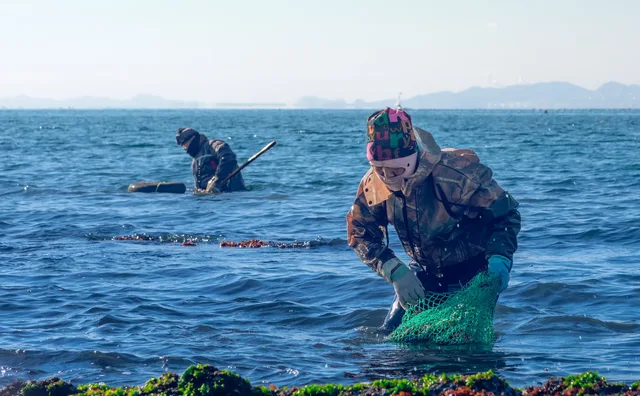
I have seen how the speed of growth affects the processing cycle. This method allows for efficient management of the biological matter. However, the effectiveness of this process is limited to the specific conditions of the anaerobic environment.
- Managing seaweed cultivation requires precise control over harvest yields to maintain carbon cycle stability.
- While seaweed can significantly mitigate atmospheric CO2, these benefits depend on managing species fluctuations and avoiding rapid ecosystem shifts.
- A biologist monitors the rapid expansion of kelp forests through a microscope.
Related
- Marine fish breeding guide: Coastal habitats face 50% loss
- Tropical fish breeding balance: Guide to ecosystem stability
What conditions affect the ocean's carbon storage capacity?
- The ocean provides a natural engine for carbon storage, but the stability of this engine relies on careful management. 2. Species fluctuations within the seaweed population create a condition that must be monitored closely. 3. Rapid ecosystem shifts represent a potential disruption to the delicate balance that the ocean maintains.
The potential for the ocean to sequester carbon is tied directly to the health of the marine vegetation. When seaweed expands, it influences the overall marine-vegetation sink, which is a critical factor in atmospheric regulation.
How do legislative frameworks support the ocean's growth?
- Legislative frameworks are being developed in regions like the UK to support commercialization efforts. 2. These frameworks aim to bridge the gap between small-scale farming and industrial viability for seaweed. 3. Establishing these rules is a key step for managing both fish breeding and the cultivation of seaweed.
The development of policy helps ensure that the economic benefits derived from the ocean do not come at the expense of ecological stability. The legislative landscape dictates how the growth of seaweed interacts with existing maritime borders and resource control.
The ocean provides a vast resource, and the legislative approach determines how that resource is utilized for economic gain or environmental preservation. Careful oversight is necessary to maximize the carbon storage benefits while mitigating risks associated with intensive farming practices.







Comments 0