Ecotourism guide 39 best African hunting traditions why
"The tradition of the hunt is woven into the very fabric of the land, a dance between predator and prey that has shaped the history of entire continents."
African hunting traditions involve complex interactions between economic incentives, conservation efforts, and historical legacies. This guide explores how African hunter history intersects with modern ecotourism and the debate regarding trophy hunting.
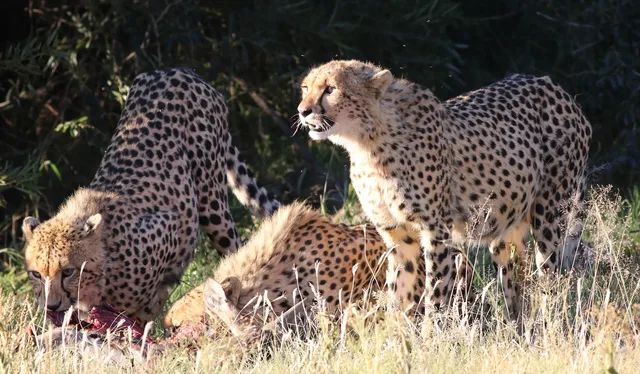
Key takeaways include the economic benefits of ecotourism, the risks associated with trophy hunting, and the shifting demographics of hunting populations.
How does African hunting history relate to modern conservation?
A traveler walks through the dusty corridors of a museum, observing artifacts that speak of a long-standing relationship with the wild. The African hunter history is deeply tied to the landscape and the preservation of natural heritage.
The landscape is marked by shifts in how humans interact with wildlife.
Studies by the Centre for Responsible Tourism and the International Union for Conservation of Nature (IUCN) state that ecotourism, which includes more than hunting, is a superior economic incentive, generating twice the revenue per acre and 39 times more permanent employment.
This economic shift highlights the tension between traditional practices and modern conservation needs.
How do African hunting traditions affect the economy?
A local guide points toward a vast savannah, explaining how the local economy relies on the presence of wildlife. The evolution of African foraging culture has led to significant debates regarding the most sustainable way to manage natural resources.
The economic landscape of wildlife management is complex. While some argue for the benefits of hunting, the economic advantages of alternative models are clear.

According to the Centre for Responsible Tourism and the International Union for Conservation of Nature (IUCN), ecotourism provides significantly higher returns in terms of both revenue per acre and permanent employment compared to hunting.
This shift represents a fundamental change in how African hunter history is managed in the modern era.
Can trophy hunting actually be sustainable?
A researcher examines satellite imagery of a protected park, noting the movement of large mammals. The debate surrounding African tribal hunting and commercial trophy hunting remains a central issue in international wildlife policy.
The ecological consequences of specific hunting practices are under scrutiny. In 2016, the US House Committee on Natural Resources concluded that trophy hunting may be contributing to the extinction of certain animals.
This finding complicates the role of traditional and commercial hunting in modern ecosystems.
How do different wildlife management models compare?
A biologist compares data sets from various protected areas to determine the most effective conservation method. Understanding the difference between hunting and ecotourism is essential for assessing long-term environmental health.
| Management Model | Revenue per Acre | Permanent Employment |
|---|---|---|
| Ecotourism | Twice the revenue of hunting | 39 times more than hunting |
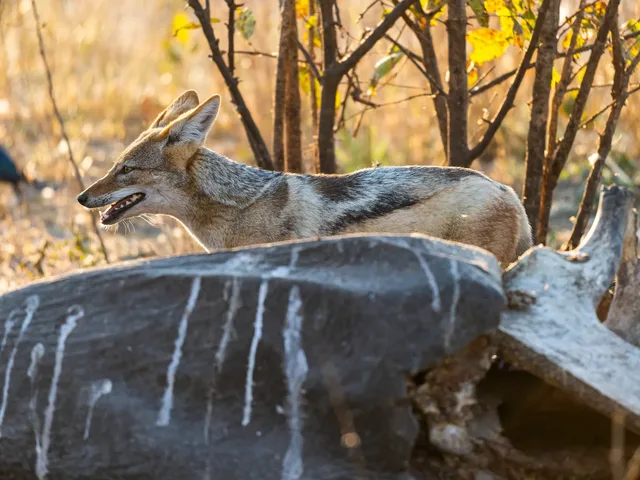
I observed how these economic comparisons dictate the land-use policies in many regions. While hunting was once a primary driver, the economic data favors tourism models.
What are the steps for implementing wildlife management?
A ranger patrols the perimeter of a national park, ensuring that all activities follow strict conservation protocols. Implementing effective management requires a careful balance of several key actions.
- Conduct a thorough assessment of the local wildlife population to ensure sustainability. 2. Establish clear economic incentives that benefit the local community through employment. 3. Implement strict monitoring to prevent illegal practices and protect endangered species.
After these steps, a final check of the ecological data is required to ensure the population remains stable.
- Assess the current population size of the target species.
- Establish specific quotas for controlled harvesting.
- Monitor the environmental impact of these activities.
In this sequence, the second step is the longest.
What limits exist in these conservation efforts?
A scientist notes that even with strict regulations, certain environmental factors cannot be controlled. It is important to recognize that no single management model is universally effective for all species.
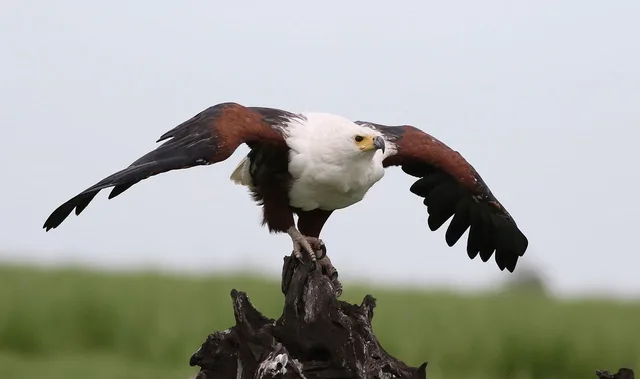
The effectiveness of conservation efforts is often limited by specific environmental conditions. For example, the impact of hunting on species survival is not uniform across all regions.
A limitation is that trophy hunting may be contributing to the extinction of certain animals, as noted by the US House Committee on Natural Resources in 2016.
The same subject is also called Traditional African hunting.
This part also covers African ecosystem and hunting.
This part also covers African lifestyle and hunting.
Related
- Pet fish breeding impact: 4.1 percent Tips for aquatic life
- Seaweed production guide: Fish breeding carbon cycle tips
How does the economic comparison affect land use?
Economic comparisons between models dictate how land is used. Because ecotourism generates twice the revenue per acre compared to hunting, the economic data favors tourism models over traditional hunting practices.
What are the risks of current hunting practices?
Risks involve the potential extinction of specific animals. A caution is necessary because the US House Committee on Natural Resources concluded that trophy hunting may be contributing to the extinction of certain animals.
- Compare the revenue generated per acre between ecotourism and hunting. 2. Evaluate the permanent employment levels provided by each model. 3. Monitor the impact of hunting on species survival to prevent extinction.






Comments 0