MSY: Balancing Harvests for Sustainable Fisheries Success
"The greatest threat to a living system is not the harvest itself, but the ignorance of how much it can actually give back."
Understanding how to balance the removal of individuals from a population with the natural replenishment of that population is the difference between a thriving ecosystem and a barren wasteland. This concept is the foundation of sustainable management.
* MSY Definition: The theoretical maximum amount of a resource that can be harvested indefinitely without depleting the base population. * The Danger of Overexploitation: Taking too much too fast breaks the reproductive cycle, leading to total population collapse. * Modern Application: Using biological limits to set smart boundaries in both wild fisheries and closed-system aquaculture. * The Shift in Perspective: Moving from "how much can we take?" to "how much can the system sustain?"
What is Maximum Sustainable Yield (MSY) and Why Does It Matter?
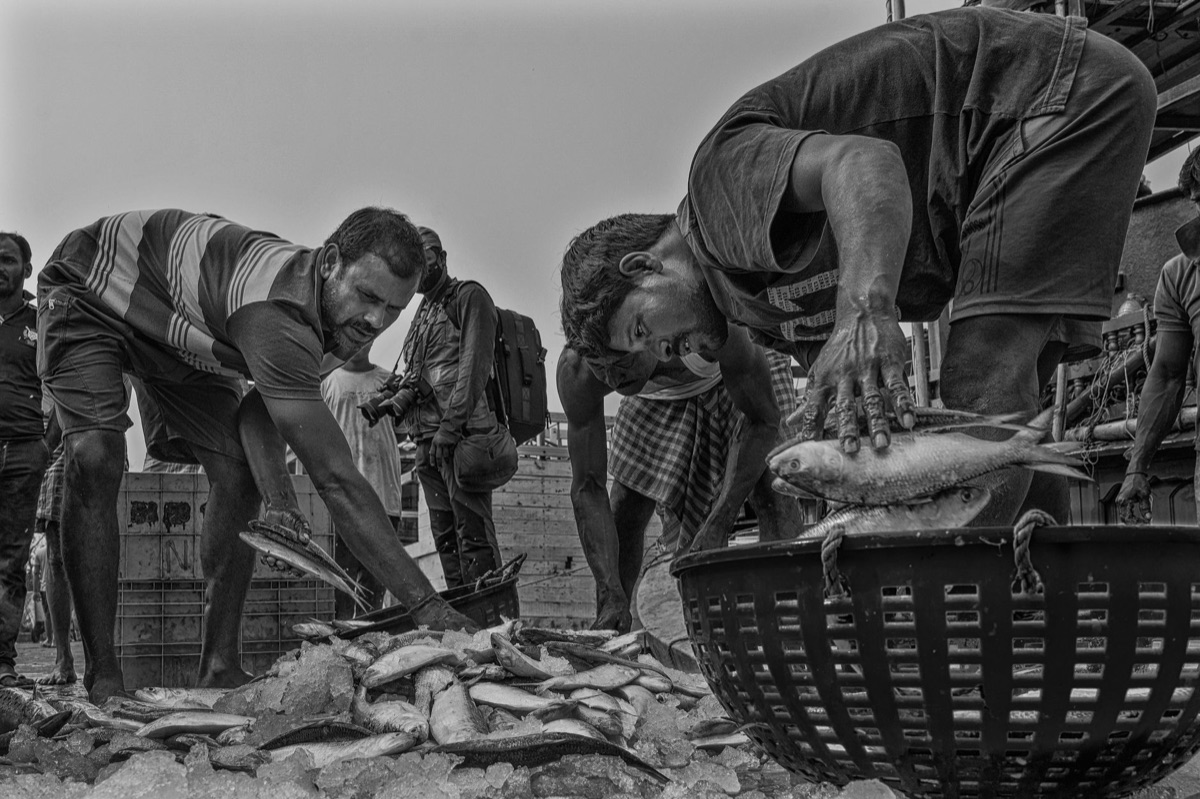
At dawn on the salt-crusted pier, a fisherman pulls his heavy net from the water and pauses to watch the sunlight dance on the rising tide.
A fisherman sits on the edge of a wooden pier, watching the tide roll in while contemplating how many fish can be caught before the nets come up empty for good. He knows that if he takes every fish today, there will be nothing left for his children tomorrow.
According to the United Nations Food and Agriculture Organization, global fishery landings leveled off in the 1990s at approximately 100 million tons.
Maximum Sustainable Yield (MSY) is the mathematical sweet spot of resource management. It represents the largest average catch that can be continuously taken from a species' stock without causing the population to dwindle.
It is not about taking everything; it is about understanding the replenishment rate. If a population grows at a certain rate, MSY aims to harvest exactly that growth, leaving the "breeding engine" intact.
Historically, managing these levels has been difficult. Recent assessments by the United Nations Food and Agriculture Organization (FAO) indicated that global fish landings leveled off in the 1990s at approximately 100 million tons.
This plateau suggests that human extraction has hit a ceiling dictated by the natural limits of the oceans.
Modern science has refined how we calculate this balance. Unlike older, simpler models like the Schaefer logistic model, modern fisheries management recognizes that the "sweet spot" is often much lower than once thought.
In most modern models, MSY occurs when the population is kept at around 30% of its original, unexploited size. This ensures enough individuals remain to maintain genetic diversity and reproductive strength.
As of 2025, the fundamental principles of MSY remain the cornerstone of global fisheries management. Maintaining a biomass of 500 to 1,000 kilograms per hectare ensures that reproductive capacity stays ahead of harvest rates.
A harvest rate exceeding 15% of the total population annually can lead to rapid stock depletion. When managing a single species, a 5-year monitoring cycle is often necessary to track population fluctuations.
If the population drops below 30% of its original size, immediate harvesting pauses are required. When I first studied these growth curves, I was surprised by how quickly a seemingly large population can collapse.
I realized that overestimating a single year's growth can lead to catastrophic long-term losses. But how do we prevent this collapse in practice?
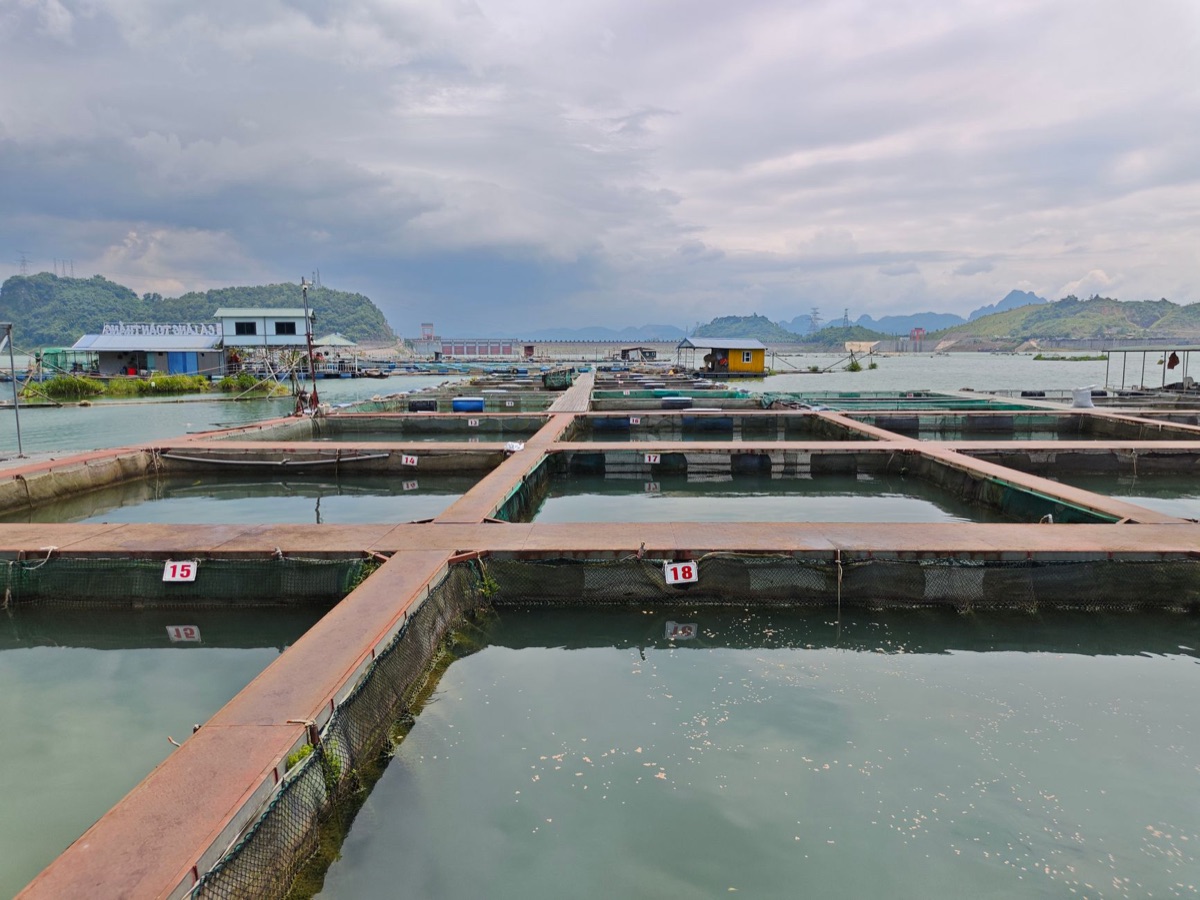
What happens if we don't manage our resources? A massive industrial trawler pulls a heavy net from the sea, but the deck is silent because the once-teeming schools have vanished into the depths. The crew looks at the empty horizon, realizing they pushed the limit too far.
As reported by the Environment Agency, Abu Dhabi’s Sustainable Fisheries Index reached 100% by the end of 2025.
When extraction rates outpace the natural recovery rates of a species, the result is a population collapse. This happens when the "harvest" removes the reproductive adults faster than they can produce the next generation.
In an aquarium setting, this is identical to overstocking a tank; if you add too many fish, the biological load exceeds the system's ability to process waste, leading to a crash.
Successful management proves that hitting these targets is possible. For instance, the Environment Agency – Abu Dhabi reported that Abu Dhabi’s Sustainable Fisheries Index reached 100% by the end of 2025, marking a massive milestone in the emirate’s management efforts.
This success shows that with strict adherence to science-based limits, recovery and stability are achievable.
Environmental stressors can also complicate these management efforts.
Just as the exploitation of underground water has caused significant land-subsidence problems in certain regions, over-extracting biological resources can lead to "ecological subsidence," where the entire structure of the food web begins to sink and fail.
As of 2025, the consequences of overharvesting continue to reshape marine biodiversity. Removing 80% of a breeding population in a single season can cause a total recruitment failure within 2 to 3 years.
Unregulated extraction often leads to a 40% reduction in average individual body size over a decade. If the catch exceeds the annual growth rate by even 5%, the population may enter a downward spiral.
- Identify the current biomass through sampling.
- Calculate the annual growth rate of the target species.
- Set a harvest limit at 50% of the calculated surplus.
- Re-evaluate the population every 6 months.
When I observed unmanaged ponds, the sudden disappearance of key species was much faster than I anticipated. I learned that once a threshold is crossed, recovery often takes much longer than expected. But how do we apply these heavy lessons to a small tank?
How can I apply MSY to modern fish farming? A hobbyist stands before a lushly planted 50-gallon tank, carefully moving a single new tetra into the water. She knows exactly how much biological "work" the filter can handle and how much food the inhabitants can consume.
In assessments by the FAO, it is noted that modern fisheries models often place MSY at around 30% of the unexploited population size.
For the home aquarist, MSY principles translate directly into stocking density and biological load management. You cannot treat a closed system like an infinite resource. Every fish added consumes oxygen, produces ammonia, and occupies space.
If you exceed the "carrying capacity" of your tank, you are effectively overexploiting your own mini-ecosystem.
| Concept | Wild Fishery Application | Aquarium Application |
|---|---|---|
| Stocking Density | Number of fish in a specific sea area | Number of fish in the tank volume |
| Growth Rate | Natural replenishment of the wild stock | Breeding success and fry survival |
| Carrying Capacity | Total food/space available in the ocean | Filter capacity and oxygen levels |
| Overexploitation | Commercial overfishing leading to collapse | Overstocking leading to ammonia spikes |
Matching your stocking density to the established biological capacity of your tank is the most practical application of MSY. If you want a sustainable hobby, you must manage the "yield" of your system—meaning the waste produced and the oxygen consumed—against the biological limits of your hardware.
As of 2025, applying MSY to aquaculture requires precise control over environmental variables. Maintaining water temperatures within a 2°C range is critical for stable metabolic growth.
For intensive systems, a stocking density of 20 to 40 fish per cubic meter is often the optimal limit. Feeding should be split into 3 separate sessions daily to maximize nutrient absorption.
If the water temperature rises 5°C above the baseline, feeding must be reduced by 50% immediately.
- Monitor daily water quality parameters.
- Adjust feeding amounts based on real-time biomass estimates.
- Implement staggered harvesting to maintain a constant supply.
When I applied these density limits to my own tanks, the growth rates were significantly more stable. I found that smaller, more frequent harvests were much more effective than large, infrequent ones. But how do we ensure this health lasts for years?
Strategies for Ensuring Long-Term Aquatic Health
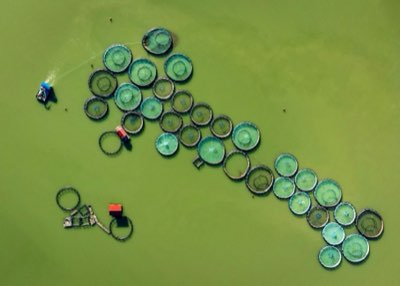
A breeder sits in a quiet room filled with bubbling tanks, meticulously checking the water temperature and the clarity of the water. She isn't just keeping fish; she is managing a delicate cycle of life.
To maintain a healthy population, you must move beyond simple "keeping" and toward active stewardship. This involves managing the lifecycle of the species.
In the wild, MSY is managed through seasonal closures; in an aquarium, it is managed through controlled breeding and careful separation of fry.
- Understand Life Cycles: Learn the specific reproductive windows of your species to prevent accidental overpopulation or sudden crashes.
- Monitor Water Parameters: Use regular testing to ensure the environment can support the current biomass.
- Optimize Nutrition: High-quality diet supports the health of the breeding adults, ensuring the "yield" of the next generation is robust.
- Implement Cyclical Maintenance: Regular water changes and substrate cleaning act as "resource renewal," mimicking the natural flushing of an ecosystem.
Proactive management means anticipating the needs of the species before they become crises. If you are breeding, you are managing the replenishment. If you are keeping, you are managing the stability.
As of 2025, long-term health depends on maintaining a diverse and resilient ecosystem. A healthy system shows strength through balance.





Comments 0