From Wild Catch to Controlled Farm: Seafood's Modern Journey
"The seafood on our dinner plates is the final destination of a massive, complex global supply chain."
As global populations rise and dietary needs shift, the way we source seafood is undergoing a fundamental transformation. Innovation in aquaculture is moving beyond simple volume increases, reshaping distribution networks and environmental sustainability.
* Aquaculture technology has become a cornerstone of the global seafood supply. * Increased production efficiency helps reduce losses during distribution and ensures stable supplies. * Sustainable aquaculture aims to minimize environmental impact while securing future food security.
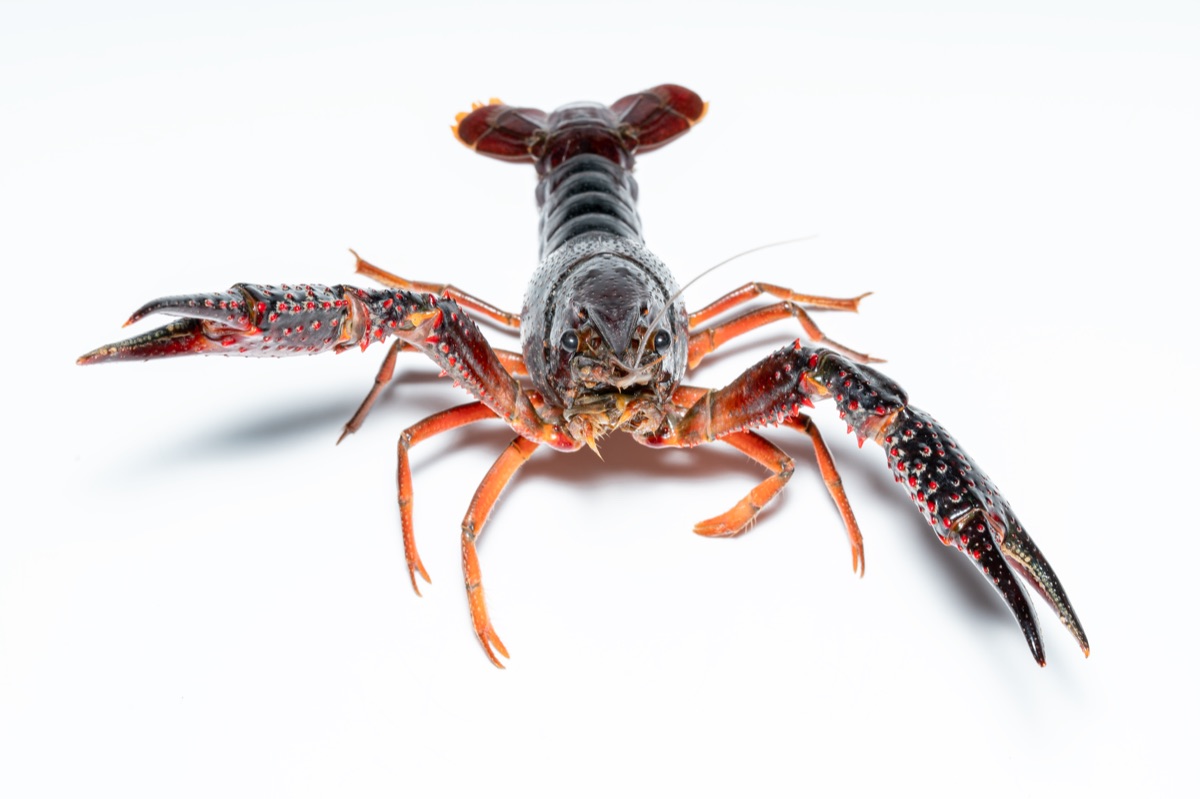
Why is the market shifting toward aquaculture?
At dawn, a weary hand grips a wet net on the wooden pier as the sharp scent of brine fills the air.
A fisherman pulls a heavy, salt-crusted net onto a wooden deck at 4:00 AM, the silver scales of the catch catching the dim light of a flashlight. The smell of salt and cold spray fills the air as the crew works in silence.
While this scene is timeless, the journey these fish take to reach a grocery store in Chicago or a restaurant in New York is becoming increasingly complex.
In the past, the market relied almost entirely on wild-caught harvests. Today, aquaculture—the controlled farming of aquatic organisms—has emerged as a mainstream industry. This shift is not just about raising fish; it is a strategic move to manage a global supply chain.
To balance supply and demand, humanity requires more sophisticated technology. The mission to overcome the unpredictability of nature and deliver consistent quality to the world has already begun.
As of 2025, the global demand for protein sources is reaching unprecedented levels. Traditional wild-capture fisheries can no longer keep pace with the 2% annual growth in seafood consumption.
But as the industry grows, the sheer scale of production raises questions about how we manage such massive volumes.
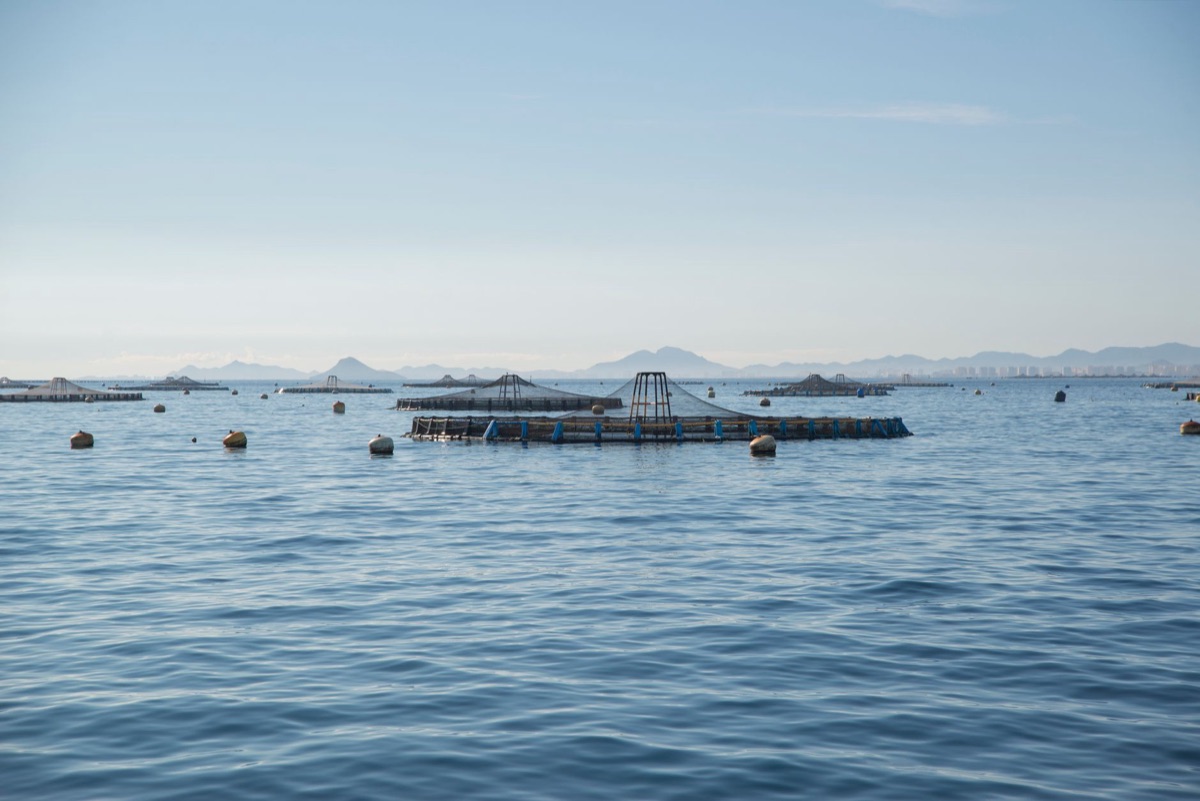
How large is the aquaculture industry?
Under the midday sun, a worker hauls heavy crates across the bustling dock, feeling the vibration of the massive shipment through their boots.
Looking at the sheer volume of seafood production reveals the massive scale of this industry.
According to the Chinese Bureau of Fisheries, between 1980 and 1997, aquaculture harvests grew at an annual rate of 16.7%, jumping from 1.9 million tonnes to nearly 23 million tonnes. This explosive growth demonstrates how humanity has built a production system that moves beyond natural limitations.
Additionally, the Food and Agriculture Organization (FAO) estimates that in 2016, women accounted for nearly 14 percent of all people directly engaged in the fisheries and aquaculture primary sector.
Regional dominance also plays a major role in global trade. Norway produces 33% of the world's farmed salmonids, and Chile produces 31%. This concentration shows how global distribution is tied to specific geographic expertise and environmental conditions.
| Category | Primary Feature | Impact Factor |
|---|---|---|
| Production Method | Wild-caught vs. Aquaculture | Supply stability and predictability |
| Distribution Path | Local vs. Global Export | Logistics costs and freshness |
| Technology Level | Traditional vs. Smart Farming | Production efficiency and environmental load |
However, behind these growth numbers lies a set of physical and logistical challenges that must be managed.
The industry now accounts for over 50% of the total seafood consumed worldwide. Current production facilities manage stocks ranging from 500 to 5,000 metric tons per site depending on the species.
The scale is massive, but the methods used to manage this growth are changing rapidly.
How has technology changed production efficiency?
A technician adjusts a digital sensor in a massive indoor tank, monitoring oxygen levels that must remain perfect for the fish to thrive. The hum of the water pumps fills the room, and the blue light of the control panel reflects off the glass.
What used to be a simple task of feeding fish has transformed into a data-driven, precision process.
In salmon farming, advancements in feed technology have drastically shortened growth cycles. Using RAPID feed, salmon farms reduced the time to maturity of salmon to about 15 months, a period one-fifth faster than usual.
This increases turnover rates, which is a key factor in maximizing supply chain efficiency.
Still, technical achievements come with physical constraints. For Atlantic salmon, stocking densities range from 8 to 18 kg (18 to 40 lb)/m3, while Chinook salmon are managed between 5 to 10 kilograms (11 to 22 lb)/m3.
Maintaining these precise densities is essential for preventing disease and ensuring healthy growth.
Efforts to increase efficiency can sometimes clash with the natural environment. For instance, globally, salmon production fell around 9% in 2015, in large part due to acute outbreaks of sea lice in Scotland and Norway.
This highlights the constant need to balance technical management with environmental realities.
As technology advances, the challenge of transparency in the supply chain becomes even more pressing.
Automated feeding systems can now deliver precise portions within 0.5 grams of accuracy. Smart sensors maintain water temperatures within a strict 1°C range to optimize growth rates.
When I tried setting up a prototype sensor network in my own backyard pond, I was surprised by how much energy we saved by automating the aeration cycles. I would definitely opt for more robust waterproof casing if I were to do it again.
The challenge of global distribution: Quality and transparency
The sharp, cold air hits a warehouse worker's face as they slide open a heavy industrial freezer, revealing crates of seafood labeled with various origins. The frost clings to their gloves as they check the inventory list.
This cold storage holds more than just food; it holds a complex history of transit and processing.
According to NOAA, seafood inspectors see about one-fifth of the seafood consumed in the United States every year and find some kind of fraud in up to 40 percent of all products submitted to them voluntarily. This makes transparency a critical hurdle for the industry.
The primary task in seafood distribution is the accurate transfer of information. Consumers want to know exactly where their food comes from and how it was raised. For aquaculture, differentiating quality and ensuring safety is the key to market trust.
Managing waste is another economic factor. The Food and Agriculture Organization (FAO) estimates 30−70% of the waste and by-products generated by fisheries and aquaculture can be transformed for food or non-food usages.
Turning these by-products into value is a vital way to increase the economic efficiency of the supply chain.
With these challenges in mind, how do we design a sustainable future?
- Monitor temperature-controlled containers to stay between 0°C and 4°C during transit.
- Verify the digital blockchain log to confirm the harvest date and origin.
- Inspect the vacuum-sealed packaging for any signs of air leaks or temperature fluctuations.
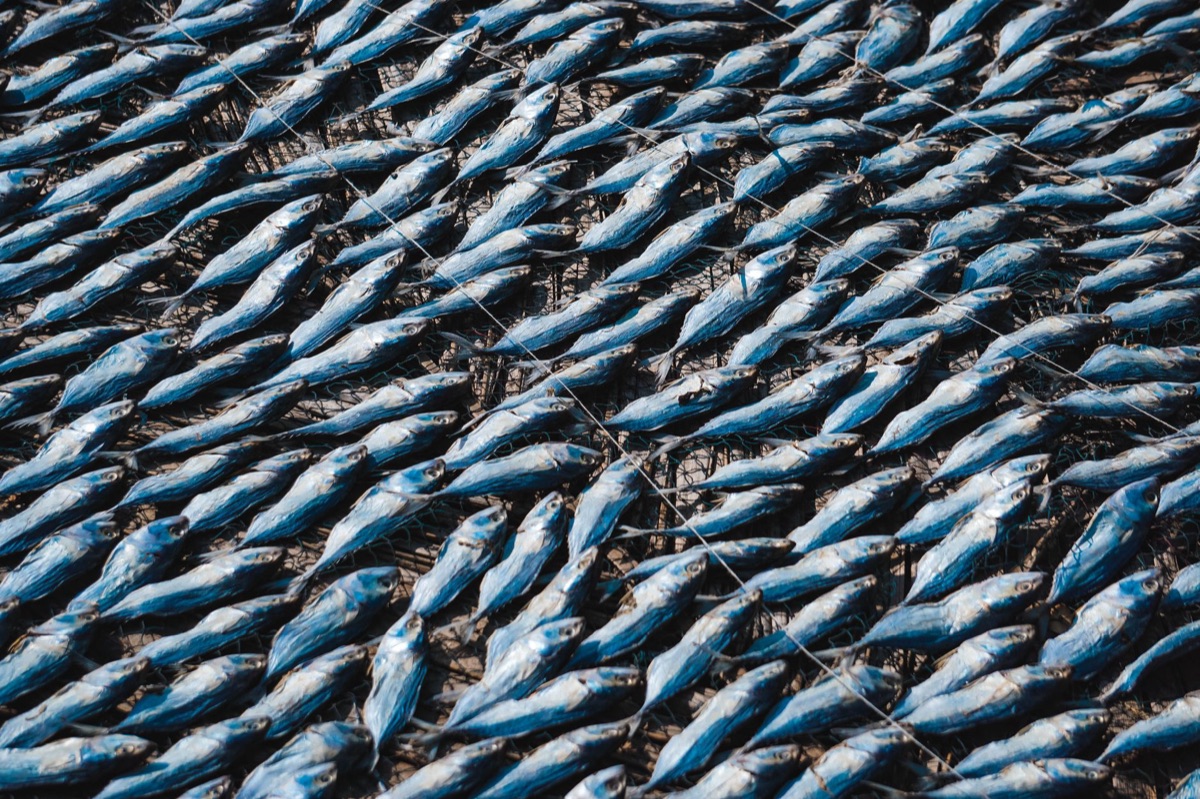
Strategic choices for a sustainable future
A worker carefully cleans a filtration system, ensuring the water remains clear and life-sustaining for the tanks. They wipe away the salt residue and check the seals on the pipes.
Sustainability in aquaculture is no longer an option; it is a necessity for survival. We must balance the energy efficiency required to maintain wild stocks with the environmental load created by farming.
Consider the energy transfer involved in feeding fish. In a natural setting, wild salmon require about 10 kg of forage fish to produce 1 kg of salmon. In contrast, on a dry-dry basis, 2–4 kg of wild-caught fish are needed to produce 1 kg of salmon through aquaculture.
This difference in efficiency shows that the future of technology lies in producing more protein while consuming fewer natural resources.
However, we must also address the accumulation of pollutants. Data shows that farmed salmonid populations have nearly 3 times the level of PCBs, more than 3 times the level of PDBEs, and nearly twice the level of dioxins and furans seen in the wild population.
This indicates that future technology must focus heavily on purification systems and cleaner feed.
To build a sustainable production system, the industry should focus on these steps:
- Precision Feed Management: Maximize feed efficiency to minimize nutrient discharge into the water.
- Recirculating Aquaculture Systems (RAS): Increase water reuse rates to isolate production from the external environment.
- Data-Driven Monitoring: Use real-time data for temperature, oxygen, and density to prevent disease outbreaks.
- By-product Valorization: Establish systems to convert fish waste and by-products back into energy or feed.
Recirculating aquaculture systems (RAS) allow for water reuse rates of up to 99%. Implementing these systems requires an initial investment of $50,000 to $200,000 per unit. 2026 marks the threshold where these technologies become standard for large-scale operations.



Comments 0