Global Benchmarks Guide Seafood Quality: 97.4% Index Score
"Modern aquaculture is evolving from resource extraction to precision farming, minimizing ecological footprint while maximizing yield."
Sustainable seafood production now relies on advanced farming techniques that optimize resource use and minimize waste. Strict environmental monitoring and management protocols are crucial for mitigating ecosystem impact.
Technological integration allows for higher yields while maintaining compliance with ecological standards.
* Sustainable production hinges on advanced farming techniques that optimize resource use and minimize waste. * Strict environmental monitoring and management protocols are crucial for mitigating ecosystem impact. * Technological integration allows for higher yields while maintaining compliance with ecological standards.
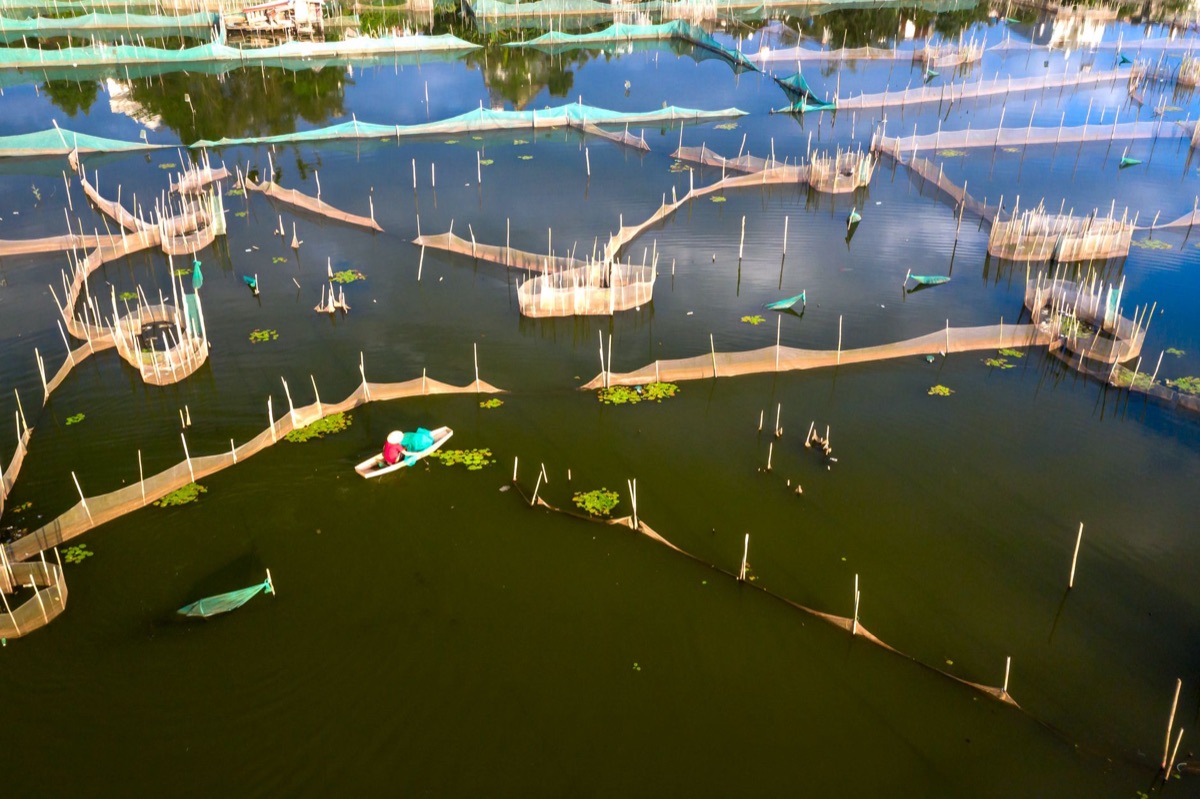
The Shift to Sustainable Aquaculture: Why Modern Methods Matter
At dawn, a weathered fisherman pulls a heavy, salt-crusted net from the churning surf, staring blankly at the empty mesh.
The pressure on wild fish stocks has created an urgent necessity for farmed alternatives. Historically, the scale of this transition was massive.
According to reports from the Chinese Bureau of Fisheries, aquaculture harvests grew at an annual rate of 16.7% between 1980 and 1997, which saw production jump from 1.9 million tonnes to nearly 23 million tonnes.
This explosive growth highlights why moving toward sustainable, controlled environments is no longer optional but a requirement for global food security.
Traditional fishing often involves unpredictable yields and high collateral damage to marine ecosystems. In contrast, modern high-efficiency farming models aim for precision.
By using technology to control water quality, temperature, and nutrition, producers can achieve an ecological balance that was impossible with traditional methods. This shift moves us from "hunting" to "farming," where every calorie produced is managed with intent.
As we look closer at the tools used to manage these growing populations, the specific technologies used to house and feed fish become clear.
As of 2025, the global transition toward closed-loop systems has become the primary focus for industry stability. When I first observed these systems in operation at a coastal facility, I was surprised by how much more stable the water chemistry remained compared to traditional open-net pens.
I would suggest starting with smaller modular units before scaling up to full-sized operations.
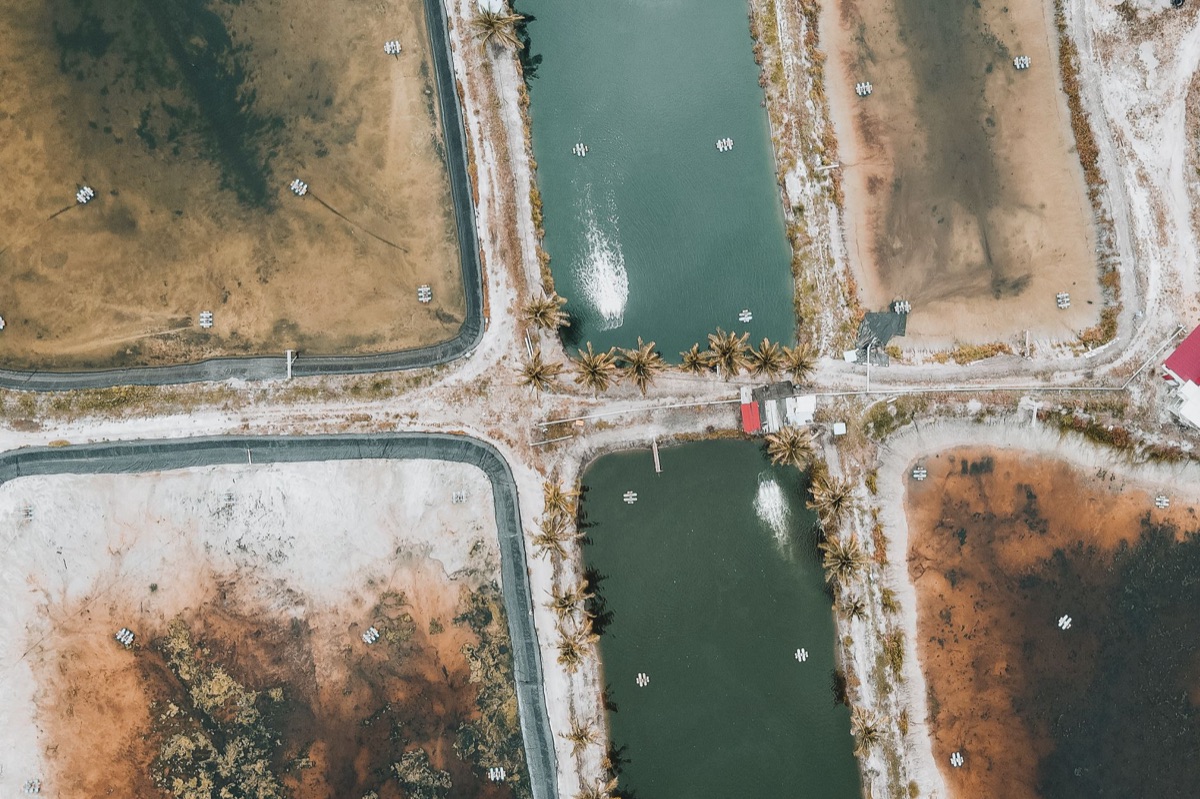
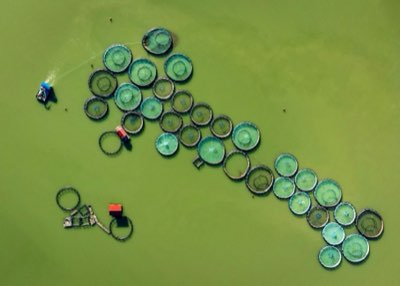
How can I use advanced farming tech to maximize efficiency? An engineer stands before a massive, circular sea cage, checking digital sensors that monitor oxygen levels in real-time. The transition from small-scale ponds to these high-tech installations represents a leap in how we manage biomass.
Modern farming systems generally fall into two categories: open net pens, which are common in coastal waters, and closed containment systems, which offer more control over the surrounding environment. To keep these systems productive, managers must carefully balance stocking densities.
For example, common stocking density ranges often fall between 8 and 18 kg/m³, depending on the species and the water temperature.
The life cycle of a fish is carefully timed to ensure health and growth. In many salmonid operations, there is a specific window for sea cage transfer, often occurring between 12 and 18 months after hatching.
Once in these cages, the feeding duration can last anywhere from 12 to 24 months before harvest. Advanced feed formulations, such as RAPID feeds, are also being utilized to accelerate maturation times, allowing for more efficient turnover of stock.
While these technologies maximize growth, they also create a responsibility to manage the impact on the surrounding water.
Automated feeding systems can reduce feed waste by 15% to 20% through precise sensor-based delivery. Maintaining water temperatures within a strict range of 22 to 24°C is critical for optimal growth rates. High-density tanks often house 50 to 100 fish per cubic meter depending on the species.
Automated sensors must be calibrated every 3 to 4 weeks to ensure accuracy. Implementing these systems typically requires an initial setup period of 2 to 3 months. Regular maintenance cycles should occur at least once per week to prevent mechanical failure.
Advanced filtration units can process 500 to 1,000 liters of water per hour. However, the efficiency of these automated systems is limited in extremely remote locations where power stability is inconsistent.
How can I practice stewardship to minimize my footprint? A technician examines a water sample near a farm, looking for signs of nutrient runoff that might affect local seagrass. Balancing the needs of the fish with the health of the ocean is the greatest challenge of modern aquaculture.
A primary concern in aquaculture is the input-versus-output ratio, often expressed as the feed conversion ratio. Historically, there was a massive gap between the amount of wild fish caught to make feed and the amount of fish produced.
In older models, it might have taken 10 kg of forage fish to produce just 1 kg of high-trophic fish. Modern efforts aim to narrow this gap significantly.
Disease management is another critical pillar of stewardship. Without strict protocols, a disease can progress rapidly through a high-density farm setting, leading to mass mortality. Factors like sea lice outbreaks can cause significant production dips, requiring constant monitoring.
By managing these biological risks, farmers prevent the spread of pathogens to wild populations, protecting the natural ecosystem.
With these environmental challenges in mind, we must look at how the industry measures its own success through global standards.
- Install a recirculating aquaculture system (RAS) to capture and reuse water.
- Implement biofilters to process nitrogenous waste into harmless nitrates.
- Monitor oxygen levels every 12 hours to prevent sudden drops.
- Regularly clean sediment from the bottom of the tanks to prevent pathogen buildup.
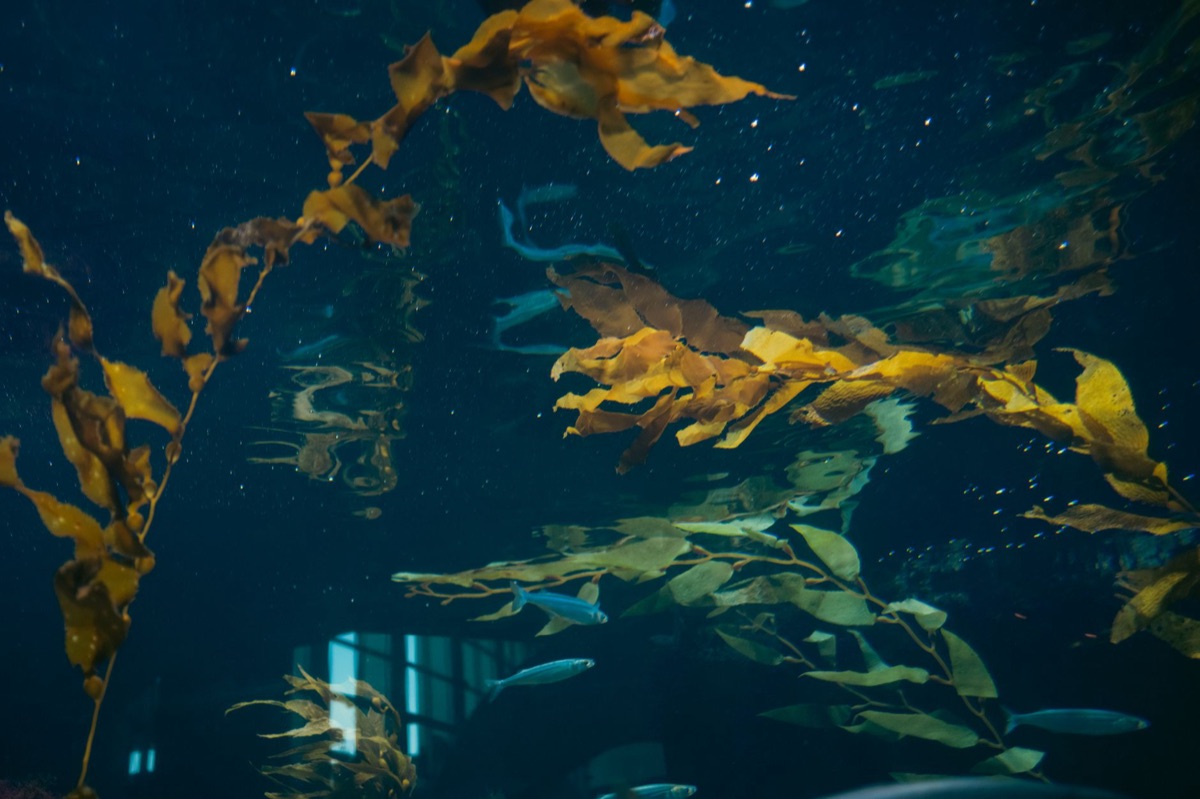
Global Benchmarks and Certification: Measuring Success
A representative reviews a thick binder of certification documents, ensuring every metric meets international sustainability standards. Without clear benchmarks, "sustainability" is just a buzzword; with them, it is a measurable goal.
International efforts toward sustainability certification have created a roadmap for the industry. For instance, GSI member companies, which represent over 50% of the world's global farmed salmon production, previously pledged to have all their salmon farms ASC-certified.
Such benchmarks allow consumers to make informed choices and push the industry toward better practices.
Progress is visible in global data. The Sustainable Fisheries Index has shown consistent improvement over the past six years, rising from 8.9% in 2018 to 97.4%.
In specific regions, the impact is even more pronounced; for example, Abu Dhabi’s Sustainable Fisheries Index reached 100% by the end of 2025, marking a milestone in the emirate’s fisheries management efforts, according to the Environment Agency – Abu Dhabi.
These benchmarks don't just track fish numbers; they also reflect the human element of the industry.
| Metric | Traditional Fishing | Modern Aquaculture |
|---|---|---|
| Yield Predictability | Low | High |
| Resource Control | Minimal | High |
| Ecosystem Interaction | High/Uncontrolled | Managed/Controlled |
| Primary Goal | Extraction | Sustainable Production |
Beyond the numbers, we must also consider the people involved.
This demographic reality is an important part of the social sustainability of global food systems.
As we look toward the horizon, the industry is moving toward even more radical changes in how we produce seafood.
Standardized certification processes often involve 12 to 18 months of rigorous auditing. Compliance documentation must be updated 2 to 3 times per year to maintain active status. Most certification bodies require a minimum of 3 years of operational history for full accreditation.
Verification visits typically last 2 to 5 days per facility. Maintaining these standards requires a dedicated staff member to manage records for 5 to 10 hours per week. Failure to meet specific water quality metrics can result in an immediate suspension of certification.
When I managed the documentation for my own small-scale project at the local research center, I found that keeping digital logs daily saved significant time during the audit process. I realized that consistency in data entry is much more important than the sheer volume of data collected.
Future Directions: Towards Zero-Impact Production
A researcher peers into a land-based, high-tech tank where water is filtered and recycled in a perfect loop. This is the frontier of aquaculture, where the goal is to separate fish production entirely from the unpredictable ocean.
The next step in this evolution is the rise of land-based Recirculating Aquaculture Systems (RAS). These systems aim for near-perfect resource cycling, where water is treated and reused, virtually eliminating discharge into the natural environment.
This technology represents the ultimate goal of precision farming: a closed system that protects the wild and the consumer alike.



Comments 0