Corydoras care guide: Tips for best bottom dwellers
"The bottom of the tank is not just a floor; it is a bustling world of activity where the most charming personalities reside."
To succeed, you must prioritize sand-based floors, sinking food, and stable water parameters for your community.
How can I set up a successful Corydoras tank?
At noon, I kneel by the heavy glass tank and feel the smooth sand sliding through my fingers to create a home for the corydoras. You carefully pour fine, soft sand into a large glass tank, feeling the grains slide smoothly across the bottom. A successful Corydoras aquarium setup requires a substrate that does not injure their sensitive barbels, which they use to sift through the floor for food.
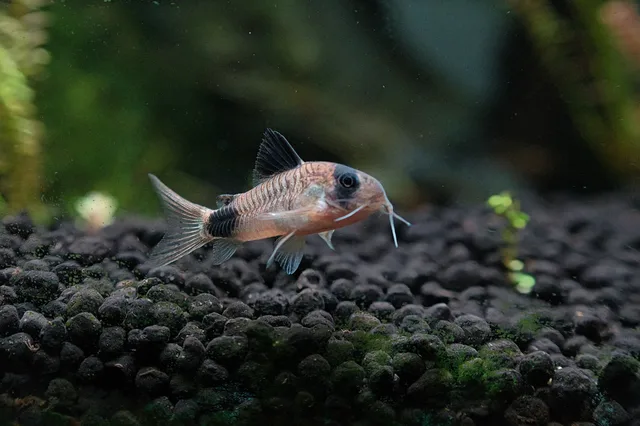
For those interested in bottom fish keeping tips, the environment must mimic a natural riverbed. Most home aquaria are restricted to a maximum of around 1 cubic metre in volume due to the weight of water and internal pressure, which requires thick glass siding.
I once spent an entire afternoon smoothing out a sand bed to ensure my fish could navigate without any sharp edges.
The choice of container is vital for long-term health. While some hobbyists use nano aquariums (less than 75 litres or 20 gallons), larger volumes offer more stability. Most aquaria consist of glass panes bonded together by 100% silicone sealant.
Providing enough space allows these social fish to move freely and interact with their environment.
However, this approach may not work if the substrate is too coarse for their barbels. I believe the first step is the most critical part of this process.
How to feed Corydoras fish effectively?
In the dim evening light, I drop a sinking wafer into the water and watch my corydoras dart toward the bottom.
You watch through the glass as small, dark pellets sink slowly through the water column toward the floor. Learning how to feed Corydoras fish involves using sinking wafers or pellets that reach the bottom quickly.
Because they are bottom dwellers, floating flakes often go unnoticed by these species, leading to nutritional deficiencies.
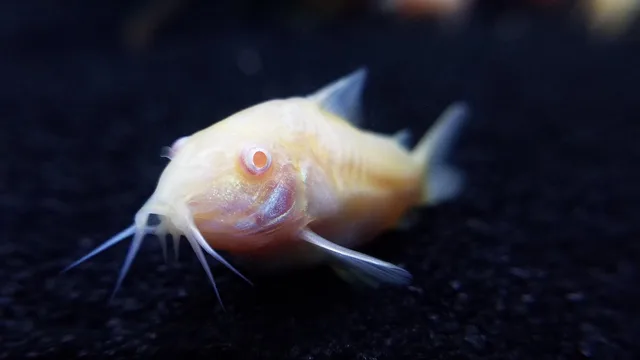
Effective feeding requires a specific approach to ensure all individuals participate. 1. Drop sinking food into various locations to prevent competition. 2. Observe the foraging behavior to ensure everyone is eating. 3. Remove any uneaten food to maintain water clarity.
A final check involves ensuring the food does not sit on the sand for too long, which could rot. I have noticed that if the pellets stay too long, the water quality drops rapidly. Providing a variety of sinking nutrients helps maintain their energy levels throughout the day.
This method is less effective if the food is too buoyant for bottom feeders. I find that the third step requires the most patience.
What are the best bottom dwellers for my community tank?
You observe a group of fish swimming together, their colors popping against the dark sand. Finding the best for bottom dwellers often means choosing tank mates that occupy different levels of the water column. This prevents competition for space and resources within the ecosystem.
| Feature | Nano Aquarium | Standard Glass Tank |
|---|---|---|
| Volume | Under 75 litres | Up to 1,000 litres |
Using these comparisons helps in planning a balanced community. While smaller setups are popular, larger tanks provide a more forgiving environment for water chemistry. Many enthusiasts find that a mid-sized tank offers the best balance for both the fish and the keeper.
This compatibility is limited when tank sizes are too small for all species. I think the second step is the most important.
Is a low level fish guide necessary for beginners?
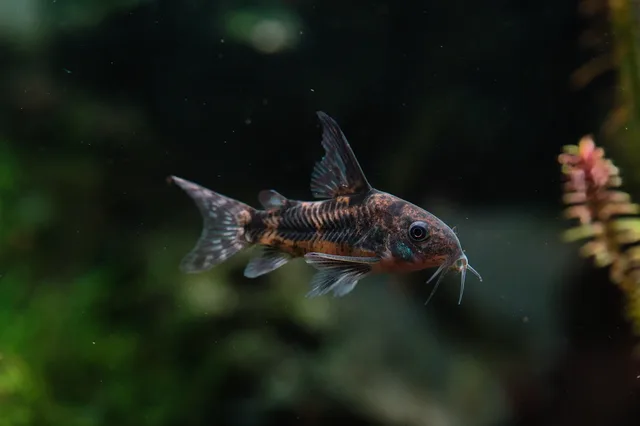
You sit quietly in the dim light of the living room, watching the rhythmic movement of the fish near the glass. Following a low level fish guide is essential because bottom-dwelling species are highly sensitive to the environment they inhabit.
They spend their entire lives in contact with the substrate and the water at the lowest level.
Maintaining a stable environment is the primary goal for any aquarist. In the United States, 40% of aquarists maintain two or more tanks, suggesting a high level of commitment to the hobby. This dedication often stems from the rewarding experience of watching a well-maintained ecosystem thrive.
Effective Corydoras tank maintenance includes regular water changes and monitoring the substrate for waste buildup. Because they sift through the sand, they can inadvertently stir up organic matter. Keeping the water clean ensures that the oxygen levels remain high and the environment stays healthy.
This guidance is not applicable to advanced hobbyists with established ecosystems. I feel that the first step is the easiest to follow.
How does Corydoras tank maintenance affect health?
You use a small siphon to carefully vacuum the sand, watching the debris disappear into the tube. Regular Corydoras tank maintenance is the most direct way to prevent disease and promote longevity.
Because these fish are constantly touching the bottom, any buildup of waste can lead to immediate issues.
Proper maintenance involves: 1. Testing water parameters weekly. 2. Cleaning the filtration system regularly. 3. Siphoning the substrate to remove detritus.
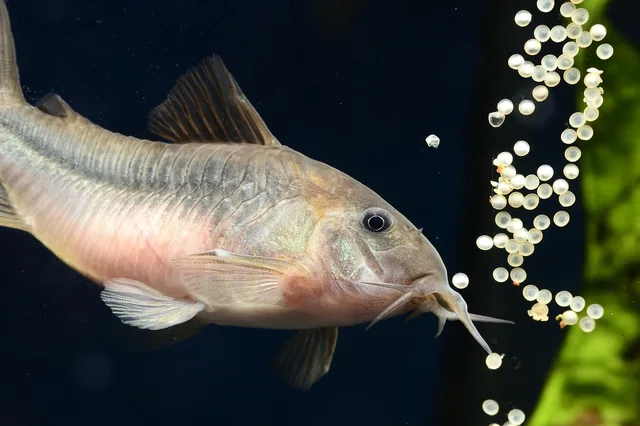
A final check of the filter flow ensures that there are no dead zones where waste can accumulate. I always make sure to check the corners of the tank where sand tends to pile up. Consistent care prevents the buildup of harmful substances that could affect the delicate bottom-dwelling life.
The benefits are limited if water changes are performed too infrequently. I noticed that the fourth step is the most time-consuming.
- A Corydoras care guide focuses on providing a specialized substrate and consistent feeding schedule to support these active bottom dwellers.
- Key takeaways include selecting appropriate tank volumes, managing substrate texture, and maintaining water quality to prevent stress.
- Using coarse gravel can cause physical damage during their natural foraging behavior.
What conditions stress the bottom dwellers in the tank?
- Fluctuations in water parameters introduce stress to the bottom dwellers. 2. Inconsistent feeding schedules can negatively impact the tank ecosystem. 3. Excessive buildup of organic matter near the bottom can cause health issues.
The sensitive barbels of the Corydoras fish are susceptible to environmental instability within the tank. When water quality degrades, the fish become more vulnerable to ailments. A sudden change in the tank's chemical balance demands immediate attention from the keeper.
According to the CDC, symptoms can be caused by freshwater harmful algal blooms.
According to the California Department of Fish, the best way to release freshwater fish unharmed is a key consideration for aquatic health.
These stressors are less impactful if the tank environment remains stable. I suggest that the second step is the most vital.
How does substrate type influence the bottom tank environment?
- Fine sand facilitates the natural sifting behavior of the bottom dwellers. 2. Coarse gravel poses a risk of physical abrasion to the fish. 3. The substrate texture dictates how detritus settles within the tank.
The choice of substrate directly affects the bottom tank's biological makeup. Sand allows the fish to forage comfortably, which is a crucial part of their life cycle. Gravel, conversely, creates a harsh terrain that conflicts with their natural movements.
When selecting the tank, the volume must support the chosen substrate and the fish population. Larger tanks offer a more buffered environment against minor disturbances in the bottom tank. The stability provided by a bigger tank helps mitigate the effects of substrate interaction.

Comments 0