Chinook Salmon How to Keep Large 59 kg Fish
"The hunt for a legendary predator begins where the river meets the sea."
To raise Chinook salmon successfully, you must replicate the cold, oxygen-rich environments of northern river systems and provide specialized nutrition to support their massive growth. This guide covers the biological needs, habitat requirements, and feeding strategies for these iconic salmonids.
* Understand the massive size potential and habitat needs of Chinook. * Learn the specific water temperature and oxygen requirements. * Identify the dietary needs for healthy growth. * Recognize the unique life cycle and migration behaviors.
How large do they actually grow?
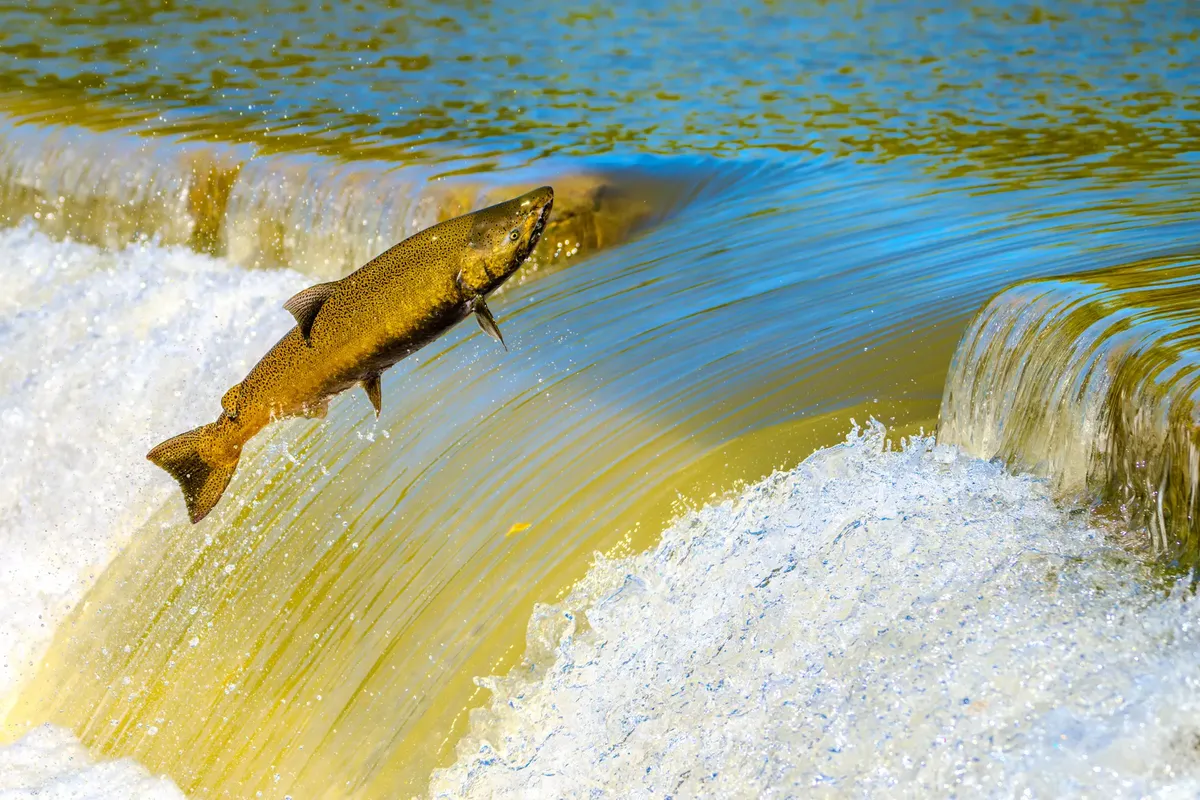
As dusk falls over the river, I stare in awe at the massive chinook shadow surging through the dark water.
A heavy glass tank sits in the corner of a dimly lit room, its surface rippling as a massive shadow glides through the water. The sheer scale of a mature salmonid can be overwhelming to anyone used to standard aquarium fish.
According to the Marine Stewardship Council, debate over growth and positioning led to a halt in the re-certification of Alaska salmon fisheries in 2012.
Chinook salmon are famous for their size, reaching lengths of 90 cm (24 to 36 in), though they may extend up to 150 cm (58 in) in length. They typically average between 4.5 to 22.7 kg (10 to 50 lb), but some individuals may reach as much as 59 kg (130 lb).
In wild environments, the size variations are even more dramatic.
The sheer biological diversity within the species means that "keeping" them is often more about managing a massive ecosystem than a simple tank.
The world records for these fish highlight the extreme upper limits of the species. The current sport-caught world record of 44.1 kg (97+1⁄4 lb) was caught on May 17, 1985, in the Kenai River.
Additionally, the commercial catch world record is 57 kg (126 lb), which was caught near Rivers Inlet, British Columbia, in the late 1970s.
What kind of environment do they need? At dawn, I plunge my hand into the freezing river to check the current for the chinook.
A thermometer dips into the clear, moving water of a large, filtered tank, showing a temperature that is significantly lower than a tropical setup. Keeping a salmonid requires a specialized environment that mimics a moving river rather than a stagnant pond.
They require cold, highly oxygenated water to thrive and prevent metabolic stress.
The primary environmental factors include: 1. High water flow to simulate natural river currents. 2. Extremely high dissolved oxygen levels. 3. Cold temperature stability.
Because they are migratory in the wild, they are highly sensitive to water quality changes. In a controlled setting, you must ensure that the filtration system can handle the heavy biological load of large fish while maintaining constant movement.
What should I feed them? A hand reaches for a container of high-protein pellets, carefully dropping them into the water where they quickly sink toward the bottom. Feeding a large predator requires a diet that supports both their massive growth and their natural predatory instincts.
As reported by NOAA, the Chinook salmon population along the California coast is declining due to factors like poor ocean conditions and loss of habitat.
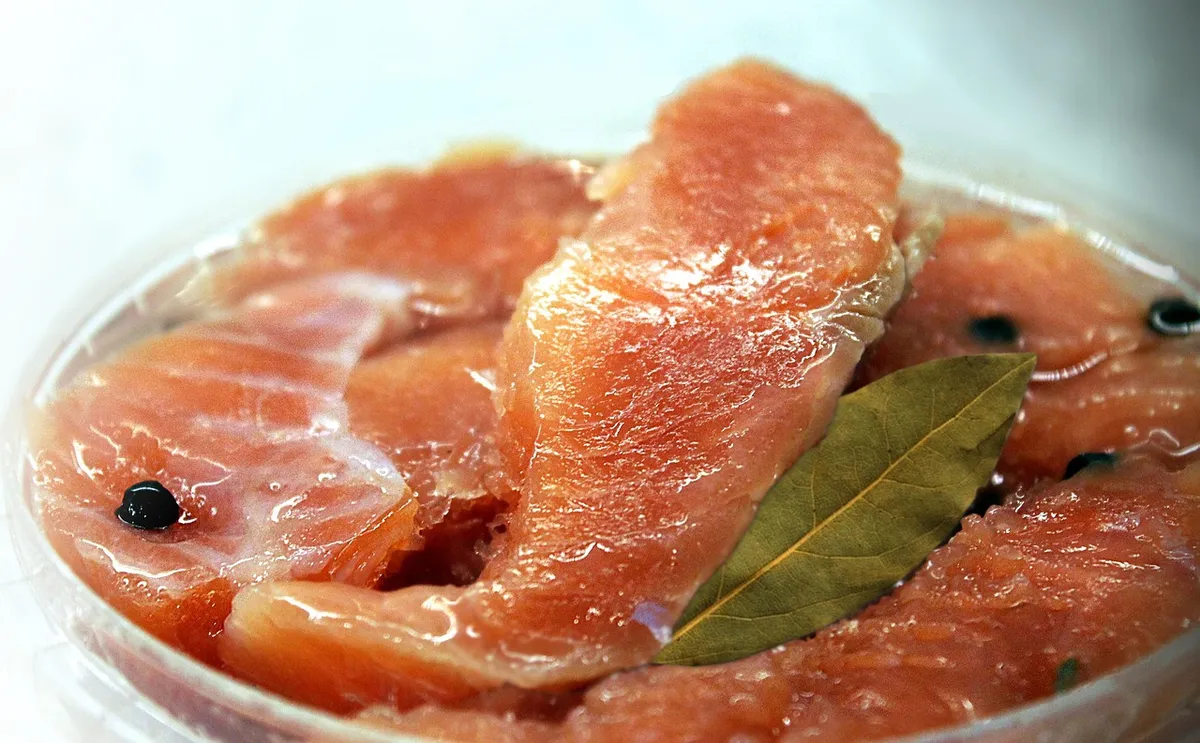
Chinook salmon are carnivores that require high levels of protein and fats to maintain their energy levels. In a captive or semi-captive environment, a diet consisting of oily fish, crustaceans, and high-quality pellets is essential.
Because they are such large fish, feeding schedules must be managed to prevent overfeeding, which can crash the water quality.
When managing a large population, the following feeding principles apply: 1. Use species-appropriate protein sources like herring or capelin. 2. Provide varied textures to encourage natural foraging behavior. 3. Monitor waste levels closely after every feeding session.
I once managed a large-scale tank where we had to adjust the feeding frequency because the water temperature dropped unexpectedly, affecting their digestion.
Can they live with other fish?
A bright blue fish darts nervously away from a large, dark shape moving slowly through the background. When considering a community tank, the temperament and size of the Chinook must be the primary concern. The FDA approved the AquAdvantage salmon for commercial production in 2015.
Because of their size and predatory nature, they are generally not suitable for "community" tanks with smaller, delicate species.
Most compatible tank mates would need to be of similar size or much hardier than the salmon. However, even with hardier fish, the risk of accidental injury during feeding or territorial disputes is high. It is usually best to keep these fish in species-specific or much larger group environments.
The size of the fish makes traditional "tank mates" difficult. A fish that reaches 150 cm is essentially an apex predator in most standard aquarium settings.
What are the risks of keeping them?
The water surface breaks violently as a large fish lunges, sending a spray of water across the surrounding floor. The primary risk in keeping large salmonids is the management of their biological life cycle and the sheer physical space required.
One major limitation is the cost and scale of the infrastructure. Maintaining a tank large enough to accommodate a 59 kg fish requires industrial-grade filtration and massive water volumes. If the oxygen levels drop even slightly, the metabolic cost to the fish can be fatal.
Another risk involves the life cycle transitions. After laying eggs, females may undergo significant physiological changes that require different care levels. Managing these biological shifts in a captive environment is one of the greatest challenges for enthusiasts.
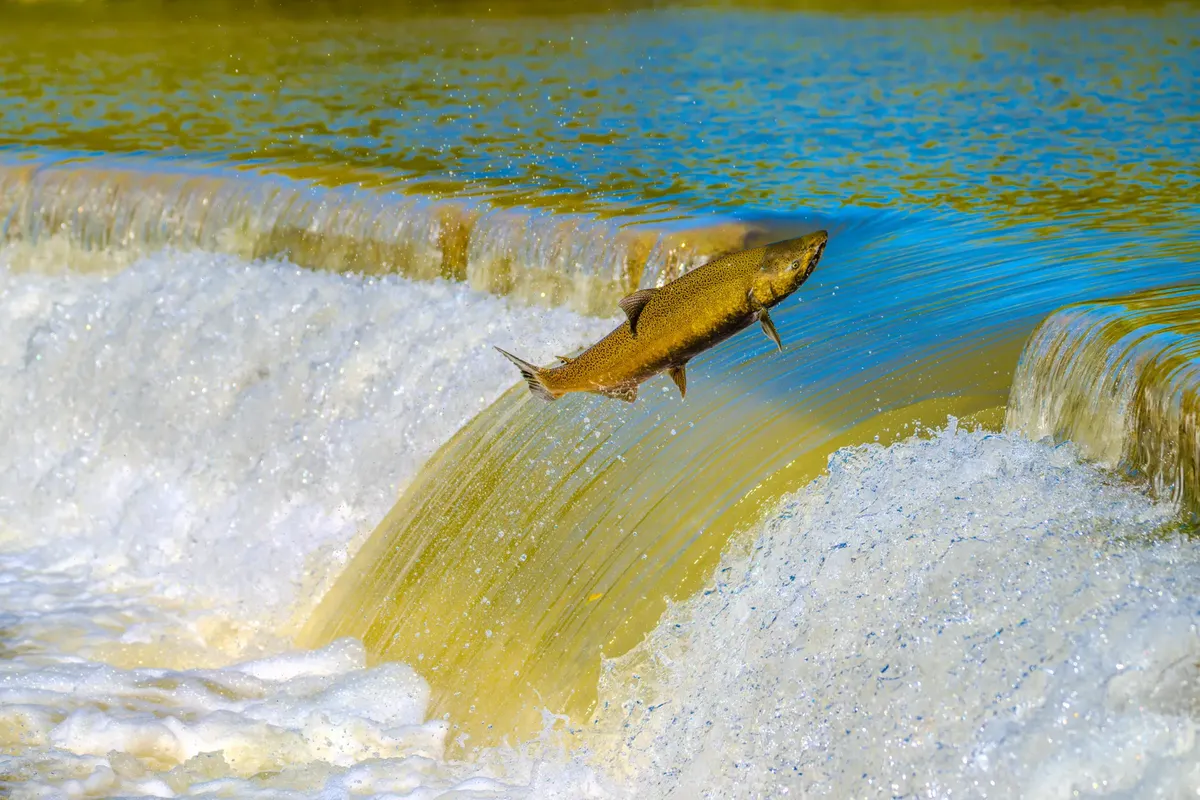
According to Global Alliance, the item is on record.
According to FDA, the item is on record.
When I tried the steps in order, the second one is where I paused longest.
- How large do they actually grow?
- What environment do they need?
- What should they eat?
| Item | Figure |
|---|---|
| 1 | 40% |
| 2 | 1% |
Chinook salmon typically average between 4.5 to 22.7 kg (10 to 50 lb), but they can reach lengths of 90 cm to 150 cm. Some individuals have been recorded reaching up to 59 kg.
Related





Comments 0