Why is the importance of Marine Protected Areas rising?
"Protecting the ocean requires more than just setting boundaries; it requires a fundamental shift in how we manage the delicate balance of life beneath the waves."
The importance of Marine Protected Areas lies in their ability to safeguard biodiversity and ensure the survival of species facing rapid habitat loss.
This guide explores the role of MPAs in conservation, the necessity of managing marine biodiversity, and essential steps for effective resource preservation.
We will look at the risks facing coral reefs, the impact of human activity on species, and the global targets for marine resource preservation.
Why is the importance of Marine Protected Areas rising?
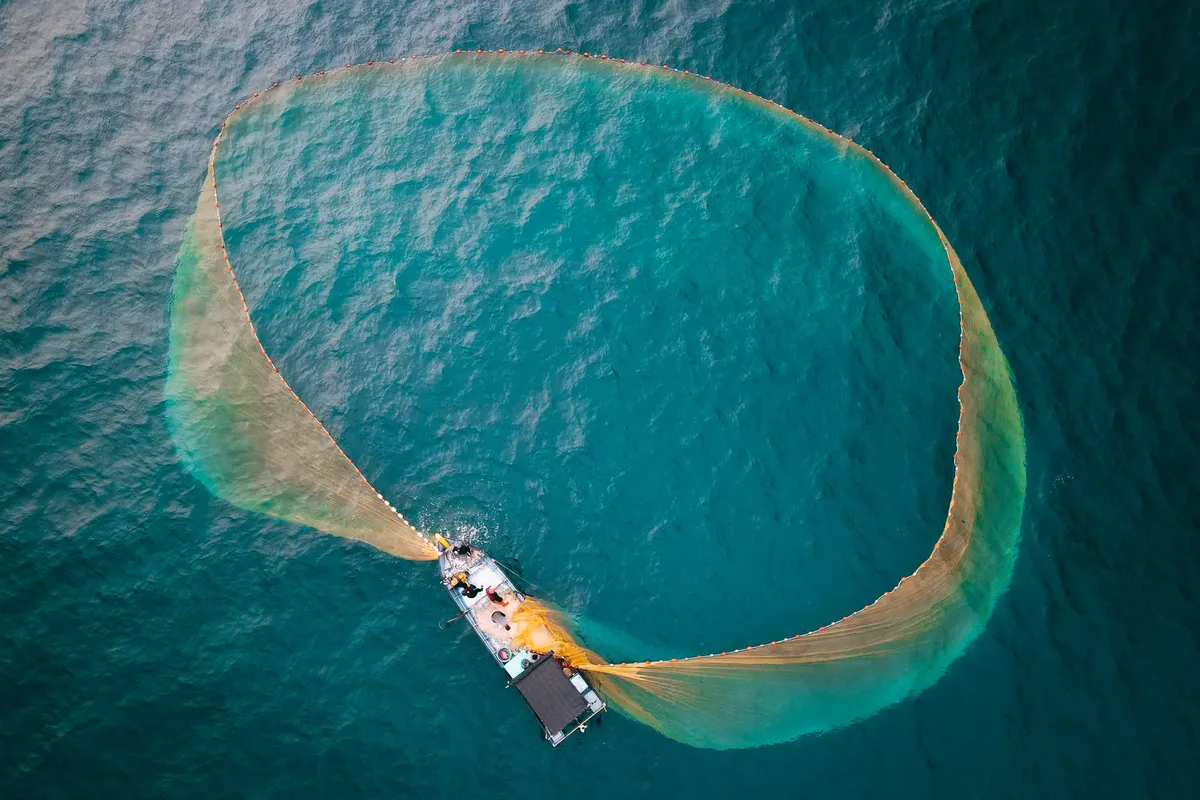
At sunset, the researcher brushes a hand over the fading paper map while feeling the weight of the dying marine ecosystem.
A researcher stares at a vibrant reef map, noting how much of the color is fading from the screen. Protecting the ocean involves creating zones where human interference is minimized to allow ecosystems to recover.
The importance of Marine Protected Areas is increasingly recognized as global biodiversity faces unprecedented pressure. Current environmental shifts necessitate strategic zones to prevent total ecosystem collapse.
The deterioration of coral reefs is significantly linked to human activities, with 88% of reefs threatened by various reasons, including excessive amounts of CO2 emissions.
In Southeast Asia, up to 88% of coral reefs are threatened, and 50% of those are at either high or very high risk of disappearing. This loss directly affects the biodiversity and survival of species dependent on coral.
How does the role of MPAs in conservation impact species?
A biologist tracks the movement of a sea turtle through a digital net, observing the declining numbers across different nesting sites. Effective management must account for the specific needs of endangered wildlife.
The role of MPaks in conservation is to provide a sanctuary for species that cannot survive in unprotected waters. These areas act as nurseries and genetic reservoirs for the ocean.
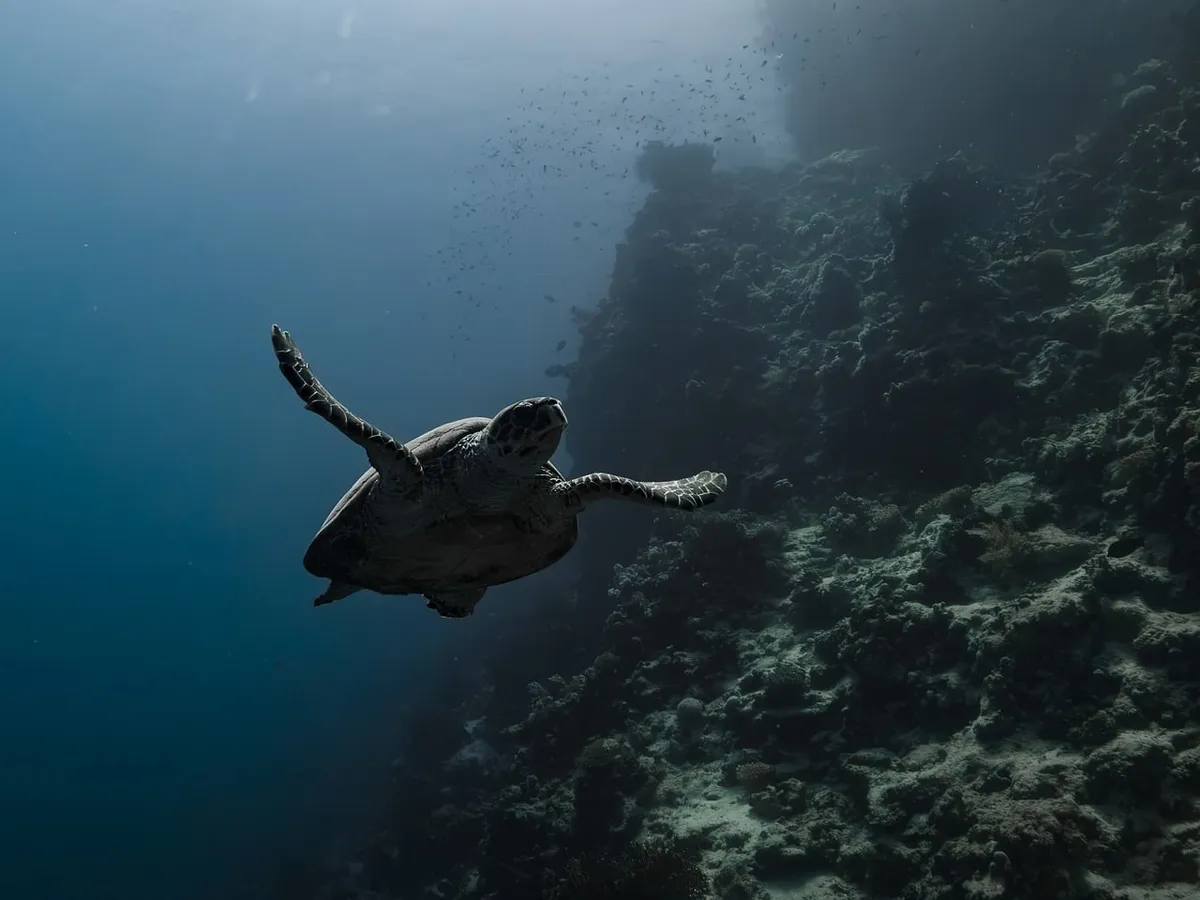
The Marine Turtle Specialist Group (MTSG), from the International Union for Conservation of Nature (IUCN), ran an assessment in 2004 that determined green turtles were globally endangered.
This assessment looked at the global population of green turtles at 32 nesting sites and determined that over the last 100–150 years, there has been a 48–65 percent decrease in the number of mature nesting females.
Can we achieve effective marine ecosystem management?
An oceanographer adjusts a sensor in a tidal pool, carefully recording the presence of invasive species. Balancing human needs with biological stability is the core challenge of modern maritime policy.
According to the National Centre, this institute was amalgamated with the National Centre for Marine Research on June 3, 2003; forming the Hellenic Centre for Marine Research.
Achieving effective marine ecosystem management requires integrating scientific data with enforceable regulations. This balance is necessary to prevent the collapse of food webs.
The United Nations addresses efforts towards marine conservation through their Sustainable Development Goals. Specifically, Sustainable Development Goal 14 highlights a target focused on conserving around 10 percent of coastal and marine areas.
Meanwhile, the Chinese Ministry of Ecology and Environment has stated it will improve conditions for biodiversity conservation in China's offshore waters by 2030, requiring more stringent reviews of offshore energy and strengthening assessment procedures.
What are the benefits of marine reserves for food security?
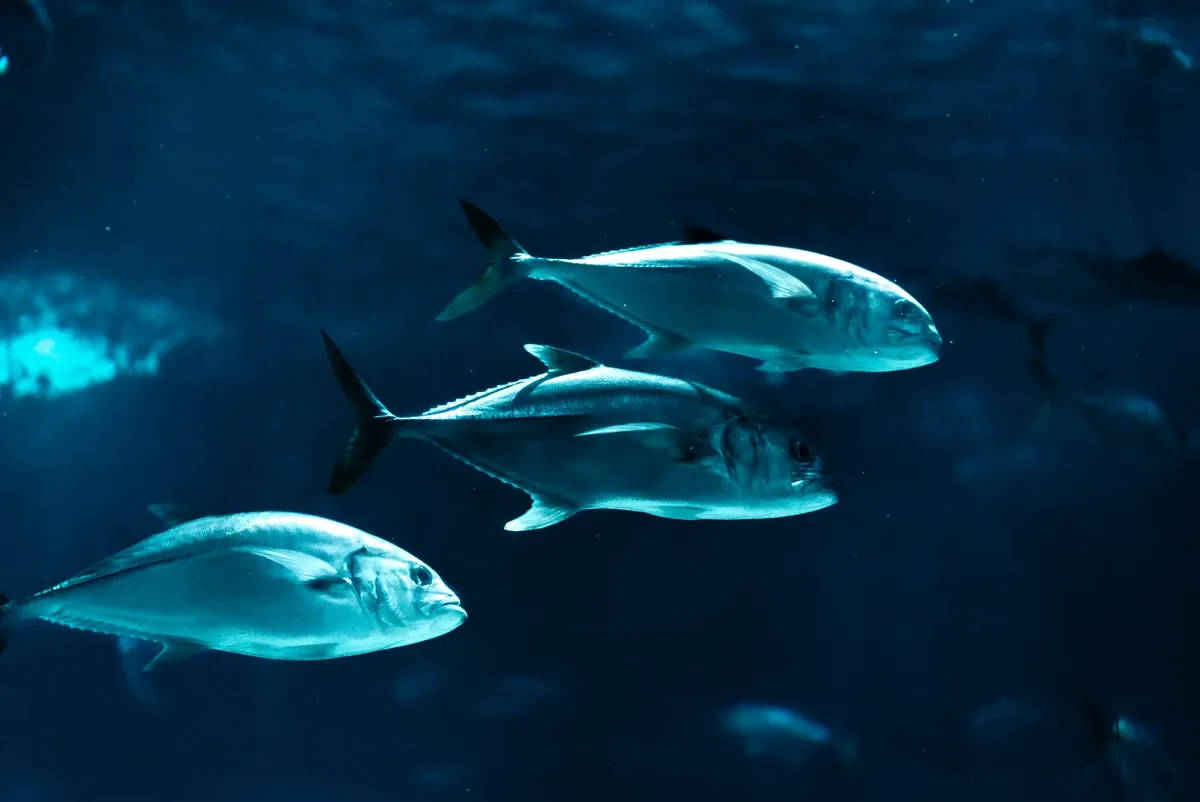
A fisherman looks out over a vast, empty blue horizon, wondering where the seasonal migrations have gone. Protecting specific zones can lead to the "spillover effect," where healthy populations replenish surrounding fishing grounds.
The benefits of marine reserves include the stabilization of fish stocks and the protection of the food chain. By preventing the harvest of juveniles, these areas ensure future generations of fish.
The ISC assessment indicates that 90 percent of the Pacific bluefin tuna caught are juveniles that have not reproduced. This high rate of juvenile catch threatens the long-term viability of the species. Protecting these populations through reserves is essential for maintaining healthy biomass.
How do we implement managing marine biodiversity?
A technician monitors a water quality station, checking for pollutants that might disrupt local life. Success in conservation requires a structured approach to monitoring and enforcement.
Managing marine biodiversity involves three primary steps: 1. Identify critical habitats that require immediate protection from human activity. 2. Implement strict enforcement to prevent illegal activities like overfishing or habitat destruction. 3.
Conduct regular biological assessments to monitor species recovery and ecosystem health.
I once observed a community-led monitoring project where local residents helped track turtle nesting, showing how local involvement supports these steps. A final check must ensure that the protection measures align with the specific biological needs of the local species.
Is there a limit to protecting marine resources?
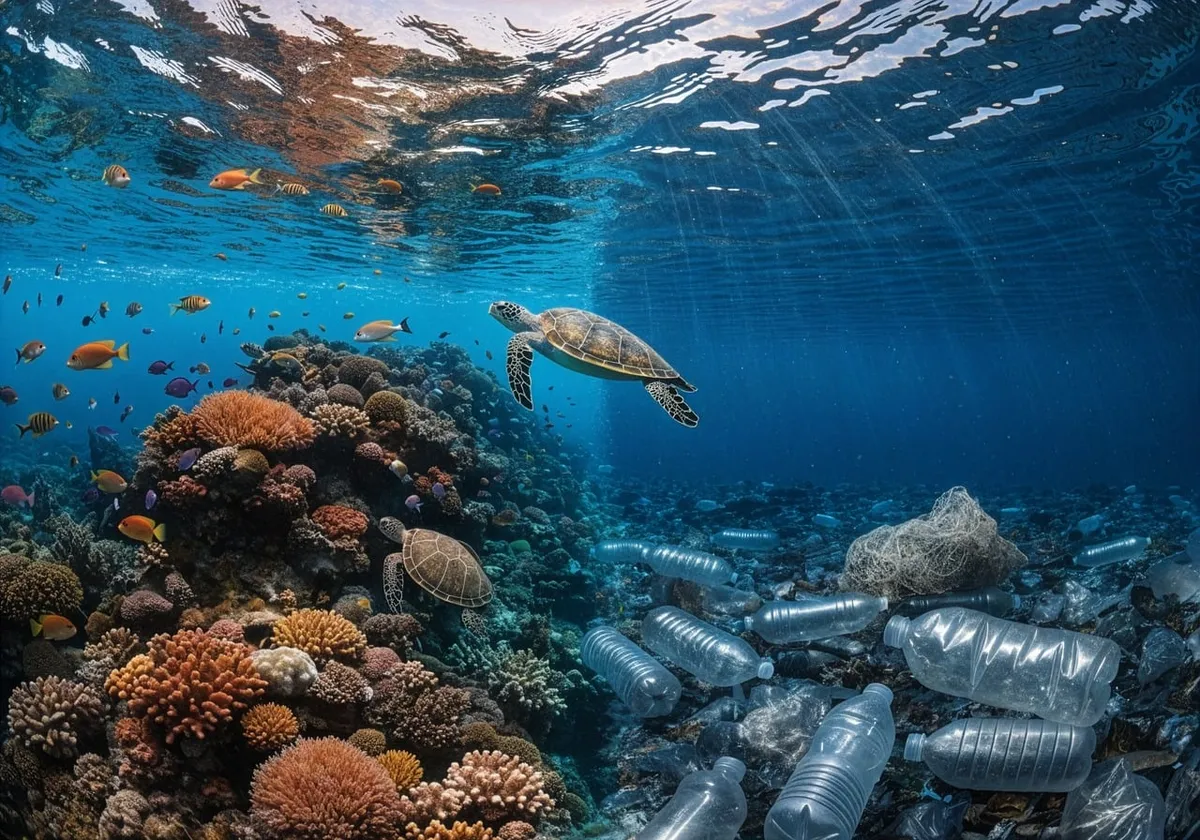
A conservationist reviews a report on the rapid spread of invasive species in a coastal bay. While protection is vital, it is not a universal solution for every environmental crisis.
Protecting marine resources is subject to several limitations, including the difficulty of managing migratory species and the impact of global climate change.
The difficulty of managing mobile species is a primary limitation, as animals often move between protected and unprotected zones.
- Why is the importance of Marine Protected Areas rising?
- How does the role of MPAs in conservation impact species?
- Can we achieve effective marine ecosystem management?
This part also covers MPA impact on fish stocks.
Related




Comments 0