How does fish breeding ecosystem impact change over time?
"The delicate balance of our oceans is increasingly pressured by human intervention, shifting the very foundations of marine life cycles."
* Biological sustainability of assessed stocks is declining. * Regional and species-group differences create uneven ecological impacts. * The health of marine populations is a critical metric for global fishery management.
How does fish breeding ecosystem impact change over time?
At dawn, the biologist squinted at the shifting tide while feeling the cold spray from the ocean where the fish spawn.
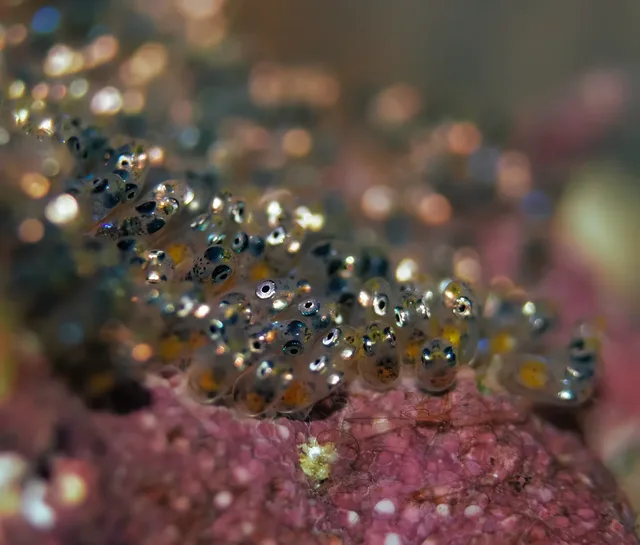
A researcher stares at a digital map of the Atlantic, noting the shifting colors that represent population density. The rep is a constant concern for marine biologists trying to track how human activities influence the natural rhythms of spawning and survival.
According to the Food and Agriculture Organization (FAO), the percentage of assessed stocks classified as biologically sustainable declined to 62.4% in 2023, down from 64.5% in 2021. This shift indicates that the natural capacity for fish to replenish their numbers is under significant stress.
These changes are not uniform, as wide differences exist across various regions and specific species groups.
What are the risks of an aquarium breeding system?
An aquarist carefully adjusts the salinity in a large saltwater tank, watching the delicate movements of juvenile fish. While controlled environments aim to preserve species, the sea fish life cycle impact can be complicated when moving animals from tanks back into the wild.
Managing fish breeding success in a closed environment requires precise control over water chemistry and temperature to mimic natural conditions. However, the long-term ecological effect of these artificial cycles remains a subject of study.
If the goal is to support ocean ecology, the transition from a controlled tank environment study to open-sea release must account for the biological health of the recipient environment.
Can we effectively manage fish breeding success?
A technician monitors the oxygen levels in a nursery tank as the sun rises over the coastal facility. Successful management requires an understanding of how human-led reproduction interacts with existing wild populations.
To maintain stable populations, experts focus on several key areas of intervention. The following steps are often utilized in professional settings:
- Identify the specific spawning triggers required for the target species to ensure natural hormonal responses. 2. Maintain water quality standards that strictly mirror the species' native habitat to prevent developmental issues. 3. Monitor the transition of offspring from larval stages to independent juveniles before any potential environmental release.

I watched the small fry navigate the current in the nursery tank, noting how closely they followed the established protocol. A final check of the filtration system ensures no contaminants disrupt this sensitive stage.
Is the current state of marine resources stable?
A biologist reviews a thick report on the state of world marine fishery resources, sighing at the complexity of the data. The sheer scale of global harvesting makes it difficult to maintain a steady equilibrium in the wild.
According to the National Centre, this institute was amalgamated with the National Centre for Marine Research on June 3, 2003; forming the Hellenic Centre for Marine Research.
The health of the ocean is influenced by more than just local breeding; it is part of a massive global system. The marine fish reproduction effects are inextricably linked to the overall health of the biomass.
We must recognize that a decline in sustainable stocks directly threatens the ability of these species to recover through their natural reproductive cycles.
How do different species groups respond to changes?
A scientist examines a microscopic sample of plankton, the foundational food source for many breeding fish. The response to environmental shifts varies wildly depending on the life history of the species involved.
The impact of environmental changes is rarely a single, unified event. Because there are wide differences across regions and species groups, some populations may show resilience while others face rapid decline.
This variability makes it difficult to create a one-size-fits-all management strategy for marine life.
What are the limitations of current studies?
A researcher closes a laptop after a long day of data entry, acknowledging the gaps in the current oceanic models. Even with advanced technology, some aspects of the marine environment remain difficult to quantify accurately.
The ability to predict the exact outcome of breeding interventions is limited by the wide differences in how various species groups respond to environmental stressors.
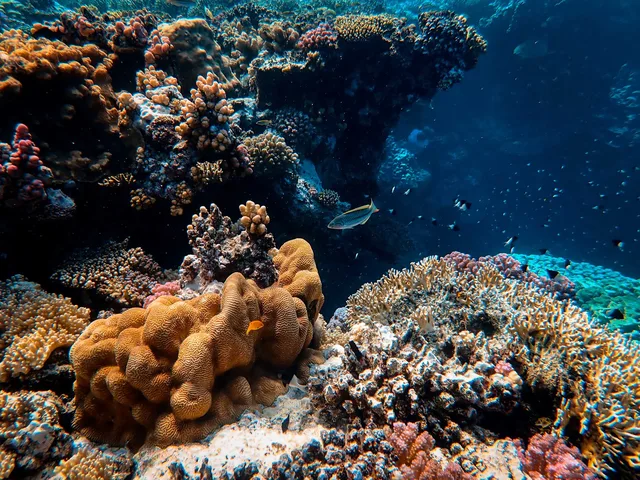
- Marine fish reproduction effects are deeply tied to the biological sustainability of global fish stocks, which are currently facing a downward trend in stability.
- For those studying ocean ecology, understanding this decline is vital for managing fish breeding success and mitigating the risks of aquarium breeding systems.
- This guide explores how changing stock health impacts the sea fish life cycle impact and provides context on the broader environmental pressures on marine resources.
The subject here is Fish breeding ecosystem impact.
The same subject is also called Aquarium breeding system risks.
The same subject is also called Fish spawning ecological effect.
Managing fish breeding success
Related
- Aquarium food balance guide how to master feeding practices
- How do I start a beginner fish stocking guide?
What conditions affect the delicate balance of the ocean?
- Human intervention exerts pressure on the ocean's delicate balance, fundamentally altering marine life cycles. 2. Regional differences in ecological impact mean that the pressure is not applied uniformly across all marine environments. 3. The health of marine populations serves as a key indicator when assessing the overall stability of the delicate balance.
The decline in biological sustainability shows that the delicate balance is sensitive to external forces. These forces include the varied impacts seen across different species groups. The FAO data highlights this stress on the natural capacity for replenishment.
How does the delicate balance relate to breeding efforts?
- Aquarium breeding systems attempt to mimic natural conditions, but this introduces a variable into the delicate balance. 2. Releasing offspring from controlled tanks back into the wild requires careful consideration of the recipient environment's biological health. 3. Successful management must acknowledge how human-led reproduction interacts with the existing wild populations to preserve the delicate balance.
The transition from a controlled tank study to open-sea release cautions against assuming perfect ecological integration. The delicate balance is threatened when artificial cycles fail to account for the wild's inherent variability.
This variability is a known factor in both natural and managed settings.


Comments 0